



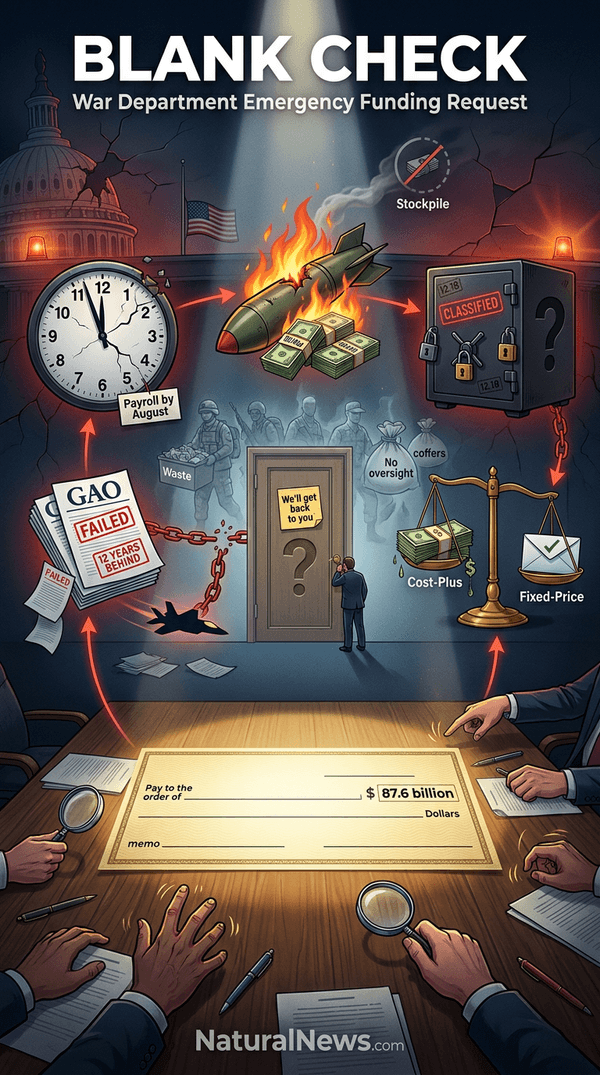
The request, sent to Congress on June 24, 2026, includes $67.1 billion for the War Department – primarily to cover costs related to the U.S.-Israeli war against Iran. According to sources familiar with the briefing, War Department officials warned that funding for military personnel pay could run out by August if Congress does not act soon. [1][2]
Four Republican lawmakers who attended a closed-door briefing with Deputy War Secretary Steve Feinberg and Marine Gen. Christopher Mahoney said the session did not answer key questions about the scope of the supplemental request. One Republican, speaking on condition of anonymity, said officials repeatedly responded to lawmakers' inquiries with "we'll get back to you on that," leaving the room dissatisfied.
Republican Reaction to War Department Briefing
House appropriators were briefed on June 25 by Feinberg and Mahoney, but many left the meeting wanting more specifics. Rep. Ken Calvert (R-CA) told reporters that the War Department needed to provide more information "by yesterday," according to a GOP aide. Rep. Steve Womack (R-AR) described the meeting as "a little tense," noting that lawmakers pressed for details on how the $67.1 billion would be allocated across munitions, operational costs, and classified programs. [1][2]
Not all GOP members were critical. Rep. Chuck Fleischmann (R-TN) described the briefers as "very competent, very skilled and very forthcoming." However, several other attendees said the department lacked a clear breakdown of how the requested funds would be spent, echoing a broader trend of skepticism toward large supplemental budgets. [3] The Government Accountability Office (GAO) has reported that the War Department's top weapons programs are an average of 12 years behind schedule, which has further eroded trust in the department’s ability to manage large outlays. [4]
Urgency and Contract Management Changes
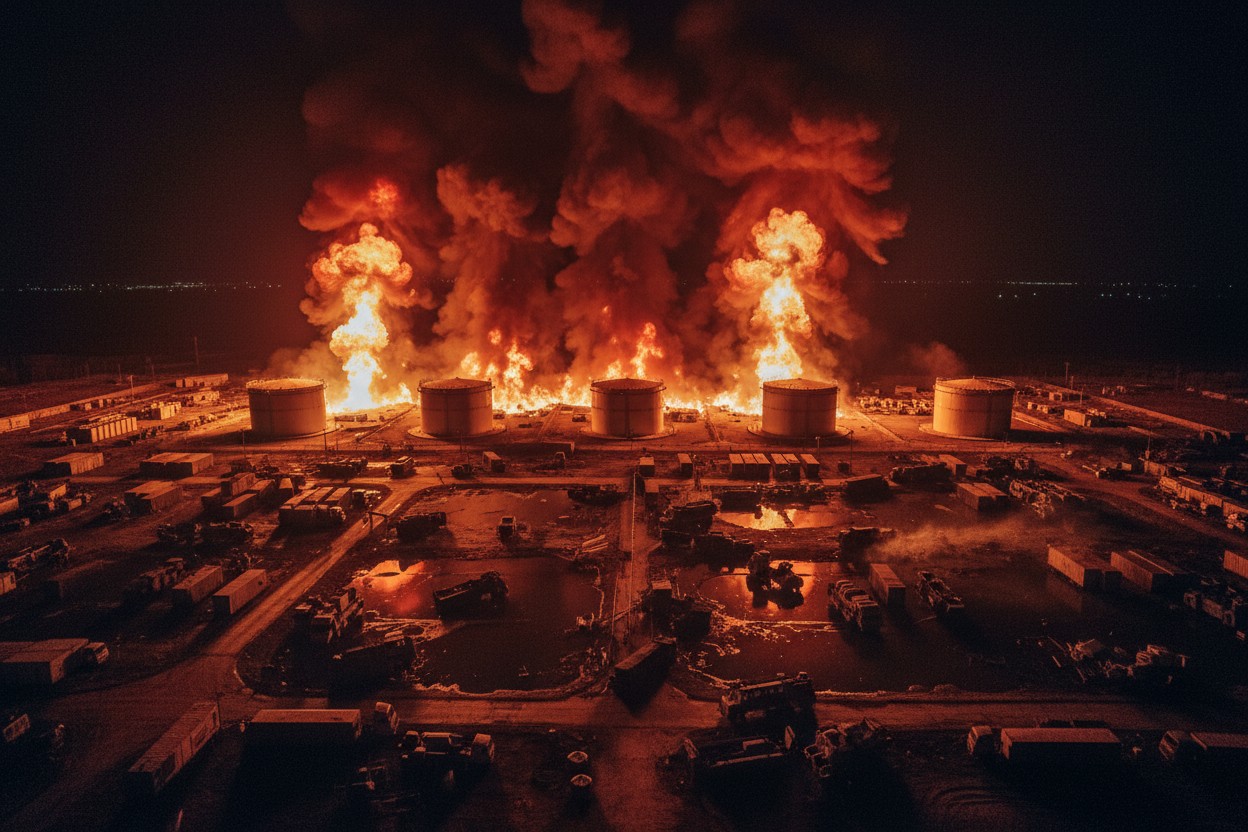
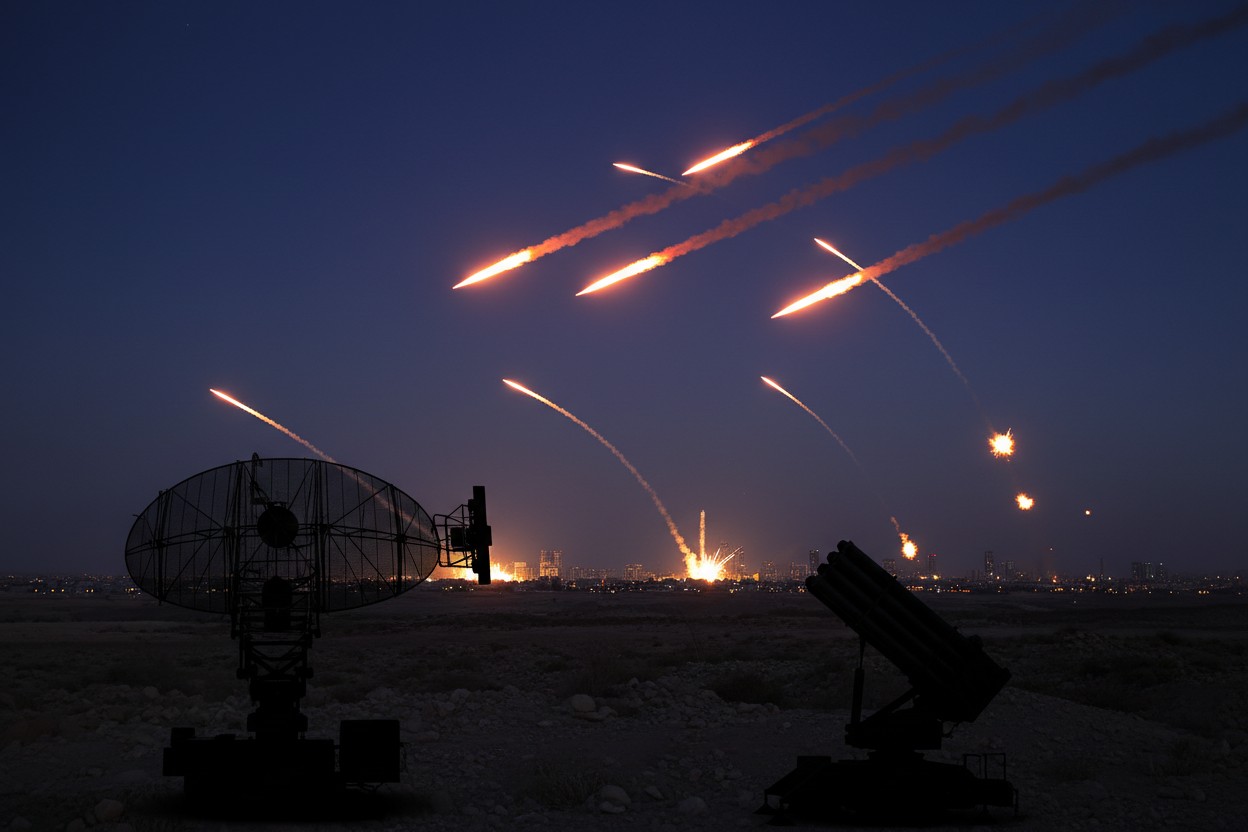
Rep. Mario Diaz-Balart (R-FL) stressed the need to act quickly, warning that the War Department requires funds immediately to sustain operations and pay troops. "We need to act now," he said, according to attendees. The urgency is driven by the ongoing conflict in Iran, which has consumed munitions at a rate of roughly $1 billion per day in the early weeks of the campaign, according to independent estimates. [5]
War Department officials used the briefing to pitch an overhaul of contract management for restocking weapons and munitions. The proposal aims to hold contractors more responsible for costs that have historically been borne by the U.S. government.
Fleischmann said the change would make contractors “more responsible for costs previously borne by the American government,” potentially saving taxpayer dollars. The department's request also included $12.1 billion for classified programs, which several lawmakers said they could not evaluate without more transparency. [1][6]
Democratic Lawmakers Echo Frustrations
Democratic members of the House Appropriations Committee said they would only support the supplemental if the administration provides detailed justification. Rep. Henry Cuellar (D-TX) was quoted by a committee aide as saying, "We need information and on time."
Rep. Rosa DeLauro (D-CT), the top Democrat on the panel, stated, "We need more information before we move forward." Rep. Susie Lee (D-NV) added, "We need a hell of a lot more detail." [7]
Top Democratic defense appropriator Rep. Betty McCollum (D-MN) said the panel is still waiting for promised details from the Pentagon that were expected weeks ago. "We cannot vote on a blank check," McCollum said in a statement.
The bipartisan frustration reflects a broader institutional pattern in which Congress is asked to approve large emergency spending without full accounting. As author Mark L. Goldstein notes in "America's Hollow Government," competing interests on appropriations committees often face strict limitations, forcing lawmakers to rely on lobbyists to suggest cuts elsewhere to fund new requests. [8]
Legislative Timeline and Challenges
Calvert argued that Congress should pass the funding before the August recess, but the House is scheduled to be in session for only two weeks in July. Speaker Mike Johnson (R-LA) faces a hardline blockade from some House Republicans who have stalled major bills, including the annual War Department policy bill. Republicans acknowledge they will need at least seven Senate Democrats to pass the military funding portion through that chamber, given the narrow GOP majority. [1][3]
Longstanding bipartisan criticism of the Pentagon for not providing timely budget information continues to color the debate. The GAO's finding that major defense programs are an average of 12 years behind schedule has reinforced lawmakers' skepticism. [4] Without a clear accounting, some members warn that the emergency request could become another example of Congress approving blank-check funding for an open-ended conflict, a dynamic that has repeated across multiple U.S. military engagements over the past two decades.
References
- Antiwar.com. “Trump Asks Congress for Additional $87.6 Billion, Mainly for Iran War.” June 24, 2026.
- The New American. “White House Requests $67.1+ Billion to Cover Iran War Costs.” June 25, 2026.
- Responsible Statecraft. “Republicans stepping up skepticism over $200B war request.” March 24, 2026.
- The Epoch Times. “Pentagon’s Top Weapons Programs Are 12 Years Behind Schedule: Watchdog.” July 7, 2026.
- Modernity.news. “Iran War Costing $1 Billion PER DAY.” March 12, 2026.
- BBC News. “Trump asks Congress for $87bn, mostly for 'urgent' Iran war costs.” June 25, 2026.
- 100PercentFedUp.com. “Supposedly ‘Bipartisan’ Democrat Reveals Desire To ‘Beat The S*** Out Of’ War Secretary Hegseth.” July 4, 2026.
- Goldstein, Mark L. “America’s Hollow Government: How Washington Has Failed the People.”
Explainer Infographic







Please contact us for more information.


