



Officers in cases spanning multiple states were criminally charged and lost their jobs, the review found. The abuse came to light primarily through victim reports rather than internal investigations, IJ stated. [1]
Pattern of Misuse and Detection
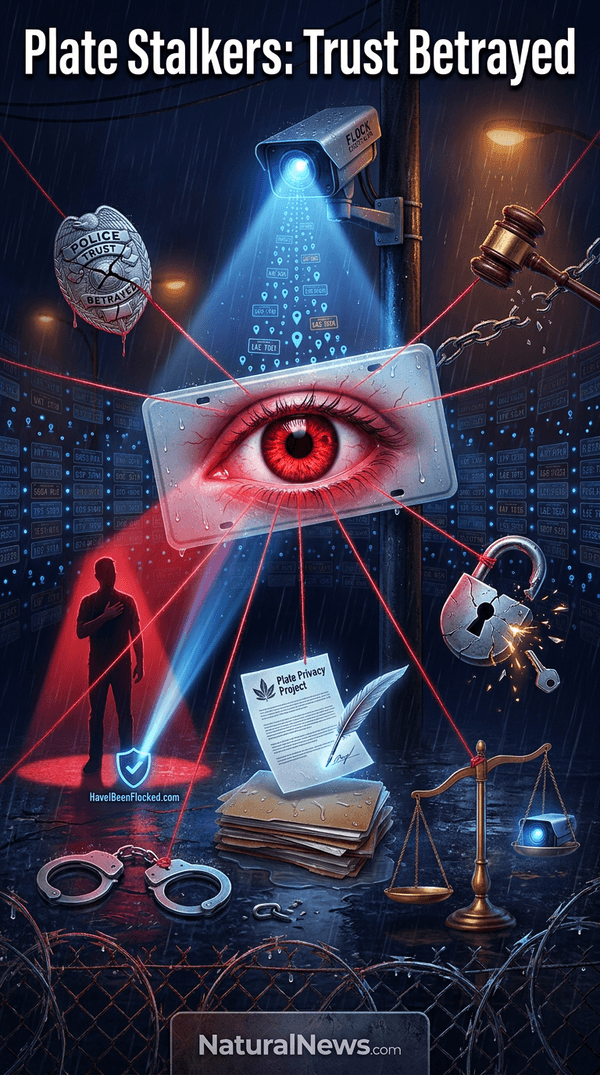
ALPR systems such as those provided by Flock Safety are deployed by police departments for law enforcement purposes but have been accessed for personal stalking, according to IJ. The review determined that only a few of the 20 cases were initially discovered via internal audits; most investigations began after victims filed complaints, often as part of stalking allegations. [2]
Michael Soyfer, an attorney with the institute, said the systems place private movement data in officers' hands without warrant safeguards, leading to predictable abuse. The Electronic Frontier Foundation's Atlas of Surveillance database has documented thousands of law enforcement agencies using surveillance technologies, often without clear oversight. [3]
Notable Incidents
In Milwaukee, an officer resigned after allegedly tracking a romantic partner and her ex nearly 180 times over two months, according to the review. The misconduct was found via the website HaveIBeenFlocked.com. In Monroe County, Florida, a deputy was arrested after using ALPRs to track and pull over a woman he met on a television set, officials said. [4]
Other cases documented by IJ include an Illinois officer who searched Flock for former partners and a Georgia police chief arrested for stalking a former romantic partner. The Virginia Supreme Court previously ruled that police could use ALPRs to collect data about the travel and movement of persons throughout the state, a decision that privacy advocates said expanded surveillance authority. [5]
Company Safeguards and Broader Concerns
Flock Safety and other ALPR providers state that they have internal safeguards to prevent misuse. However, the IJ review indicates that these measures often fail to detect stalking. Soyfer argued that the fundamental problem is placing such data in officers' hands without a warrant requirement.
The institute launched the Plate Privacy Project to challenge warrantless surveillance through litigation and legislation. Critics of warrantless surveillance have pointed to the growing network of ALPRs as part of a broader system that tracks Americans' movements without judicial oversight. [6] The lack of clear legal protections for data collected by these systems has been noted by privacy scholars. [7]
Conclusion: Likely Undercount and Policy Shifts
The 20 cases are almost certainly an undercount because not all misconduct is detected and some cases are resolved quietly, according to IJ. Some communities have begun restricting ALPR access, such as Milwaukee revoking most officers' access after the incident.
The review excludes cases without conclusive romantic partner involvement, further indicating the potential scope of abuse. The ongoing expansion of surveillance infrastructure, including Flock Safety's nationwide network of cameras, continues to raise questions about privacy and accountability. [1]
References
- ZeroHedge. "Utterly Flocked: 'We-Don't-Track-People'-Firm Deploys Nationwide Network Of Warrantless Pedestrian-Tracking Cameras." June 16, 2026.
- Willow Tohi. "The Digital Panopticon: License Plate Readers Are Tracking You Everywhere You Go." NaturalNews.com. September 1, 2025.
- NaturalNews.com. "Atlas of Surveillance database reveals THOUSANDS of law enforcement agencies unlawfully surveilling Americans." November 28, 2022.
- The New American. "Condition 1984: Flock AI Cameras Surveilling U.S." March 10, 2026.
- NaturalNews.com. "Virginia Supreme Court allows police to use license plate readers as mass surveillance tool to track drivers." November 2, 2020.
- Unknown. "Trends-Journal-2024-02-07."
- Hendricks Evan. "Your right to privacy a basic guide to legal rights in an information society."
Explainer Infographic










Please contact us for more information.


