


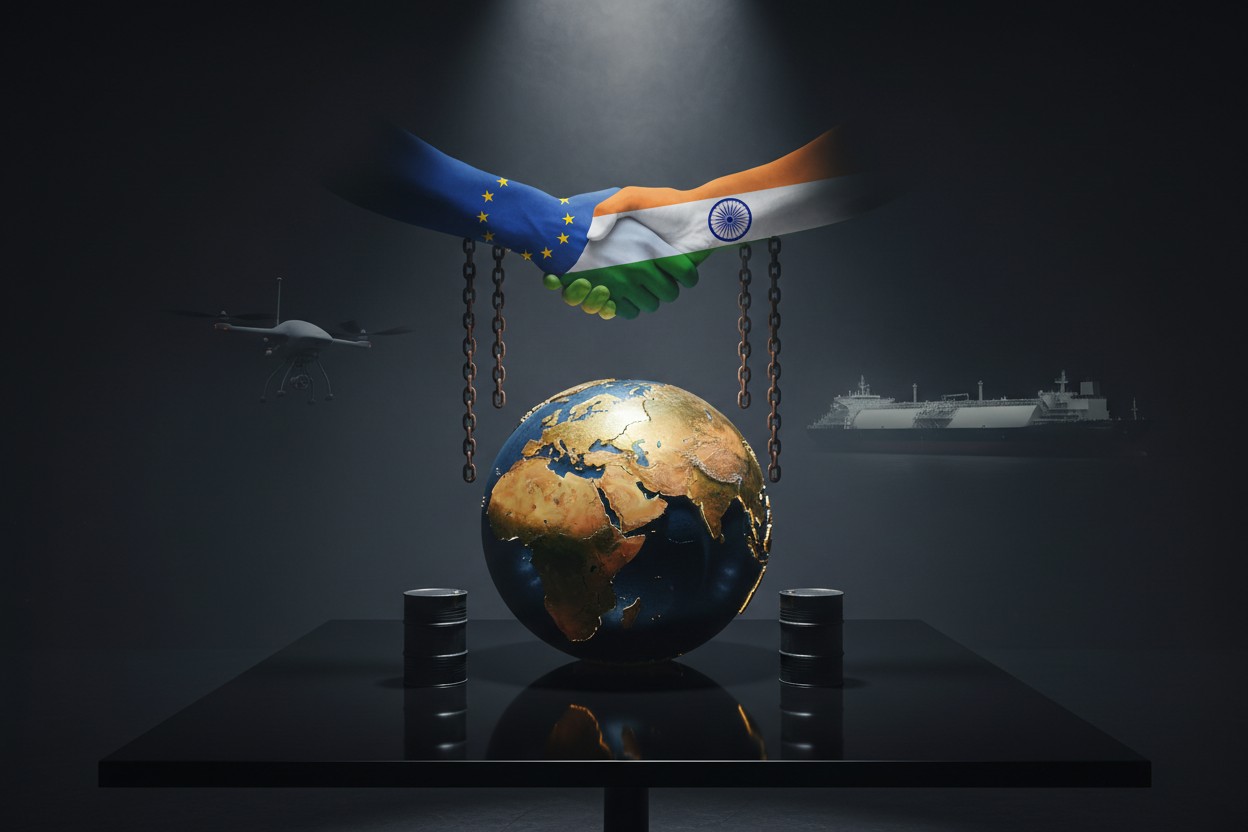
Sanctions Proposal Clouds EU-India Trade Deal
The European Union's 21st sanctions package against Russia includes entities based in India, a move that could complicate ratification of a trade agreement finalized between Brussels and New Delhi in January, according to officials. EU foreign policy chief Kaja Kallas announced the proposal on June 9, 2026, stating that it targets 50 companies across multiple countries, including China, Turkey, Kyrgyzstan, Kazakhstan, UAE, and India. [1]
The proposed package, which covers energy, cryptocurrency, financial services, and trade sectors including fisheries, must be approved unanimously by all 27 EU member states before it can take effect, with a target finalization date of July 15. The specific Indian entities included in the sanctions list have not been publicly identified. [1] The development comes as both sides seek to ratify what EU leaders have called the "mother of all deals," a trade agreement first launched in 2007 and finalized after lengthy negotiations.
Details of the Sanctions Package
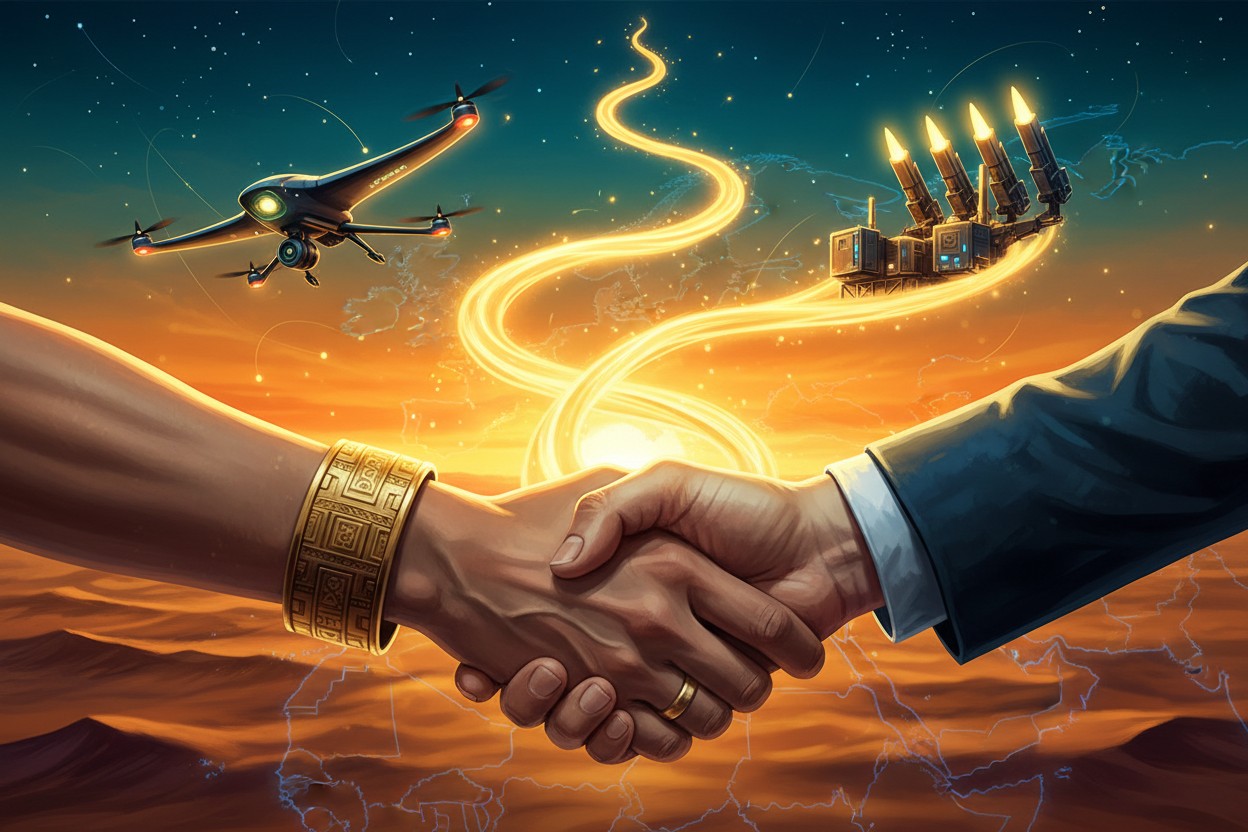
The new measures focus on several economic sectors, according to European Commission President Ursula von der Leyen. The package includes new listings related to drone manufacturing and export control measures on 50 companies. Kallas stated on social media platform X that the measures target "companies providing support to Russia military-industrial complex" and cover "more than 30 designations in the drones manufacturing as well as new export control measures on 50 companies, including entities based in China, Türkiye, Kyrgyzstan, Kazakhstan, UAE and India." [1]
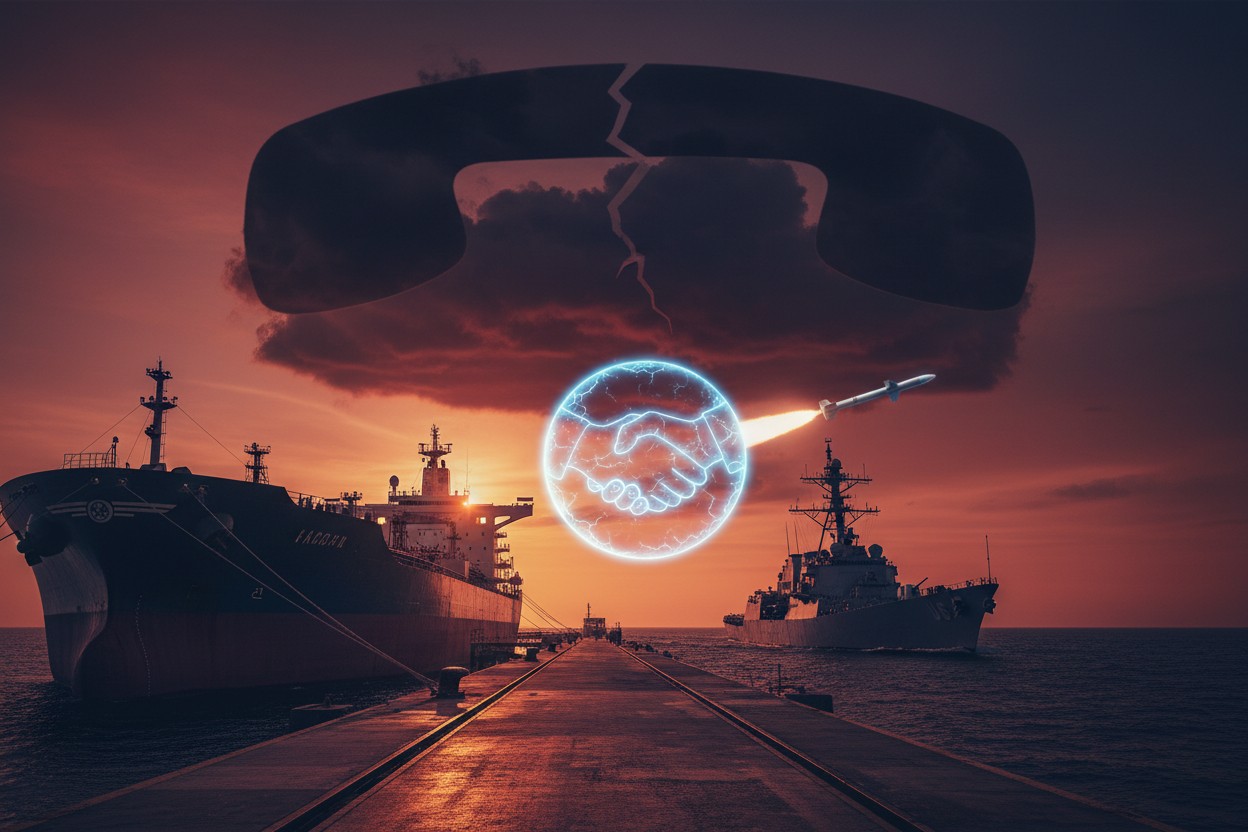
The package also includes a temporary freeze on the EU's price cap on Russian oil and new curbs on the resale of liquefied natural gas (LNG) tankers to Russia. [1] According to Bloomberg, the proposed freeze on the oil price cap comes amid soaring energy prices linked to the US-Israeli war against Iran. [2] The measure is part of what would be the 21st round of EU sanctions on Russia, adding to 81 existing listings targeting Russia's shadow fleet, military-industrial complex, human rights violators, and propagandists.
India's Response and Diplomatic Context
Former Indian Foreign Secretary Kanwal Sibal called the proposed sanctions "illegal under international law" and demanded that New Delhi retaliate by sanctioning EU companies doing business with Pakistan. [1] India has consistently rejected unilateral sanctions that are not backed by the United Nations, officials said. The sanctions proposal follows a recent diplomatic dispute after Kallas issued a joint statement with Pakistan that mentioned Jammu and Kashmir, a deeply sensitive issue for New Delhi. India's Foreign Ministry responded sharply, stating that those with "no locus standi in such matters should refrain from making any comments on them." [3]
Indian Commerce Minister Piyush Goyal has previously highlighted Western double standards in sanctions enforcement, noting that EU nations themselves sought exemptions from US sanctions on Russian oil while expecting India to stop its purchases. [4] The inclusion of Indian entities in the EU sanctions list is not without precedent, as the bloc had previously sanctioned three India-based companies in its 19th sanctions package in October 2025. [5]
Strategic Autonomy and Broader Implications
Indian Foreign Minister S. Jaishankar stated that "many Western countries are increasingly embracing the idea of strategic autonomy," a position India has long advocated. [1] Jaiveer Shergill, a spokesperson for India's ruling party, told RT that Western nations suffer from a "single-power dominance hangover" and need to recognize that "the era of global hegemony, dominance is over." [6] New Delhi has maintained that its purchases of Russian oil are based on national interests, despite Western pressure and a US imposition of 25% tariffs as punishment. [1]
The EU's attempt to penalize countries maintaining ties with Russia may complicate further diplomatic and economic engagement. Treasury Secretary Scott Bessent acknowledged that EU sanctions against Russia have failed, stating that after 19 rounds of sanctions, Moscow's economy remains resilient while Europe suffers self-inflicted economic harm. [7] The sanctions package adds to existing measures targeting Russia's shadow fleet and military-industrial complex, but experts note that Western efforts to isolate Russian energy have proven counterproductive, pushing Moscow to further develop its economy and form new trade alliances. [8]
Conclusion: Uncertain Path Forward
The sanctions proposal requires unanimous approval from all 27 EU member states, and its impact on the EU-India trade deal ratification remains uncertain. Internal EU divisions on sanctions have been evident, with some member states, such as Hungary and Slovakia, voicing opposition to measures that harm their economies. [9] Slovak MEP Milan Uhrik declared that the EU is on a "path to self-destruction" under the leadership of European Commission President Ursula von der Leyen, citing the bloc's energy policies. [9]
India's stance on strategic autonomy and its resistance to external pressure suggest potential friction going forward. EU officials have not commented on the specific Indian entities targeted or on potential delays to the trade deal. The bloc is expected to finalize the sanctions package by July 15, pending member-state agreement.
References
- "EU puts Indian entities on proposed Russia sanctions list." June 10, 2026.
- "EU mulls changing Russian oil price cap – Bloomberg." May 31, 2026.
- "EU draws India's ire over joint statement with Pakistan." June 2, 2026.
- "WATCH Indian commerce minister expose Western double standards on Russian oil." October 24, 2025.
- "EU targets Indian firms in latest Russia sanctions." October 24, 2025.
- "West has a 'single-power dominance hangover'– Modi party spox." June 4, 2026.
- NaturalNews.com. "Treasury Secretary Scott Bessent admits EU sanctions against Russia have failed." November 24, 2025.
- "Western energy pressure on Russia has backfired – Kremlin envoy." March 6, 2026.
- Belle Carter. "EU faces internal rebellion as Slovakia warns of collapse without Russian resources." NaturalNews.com. July 14, 2025.


Please contact us for more information.


