


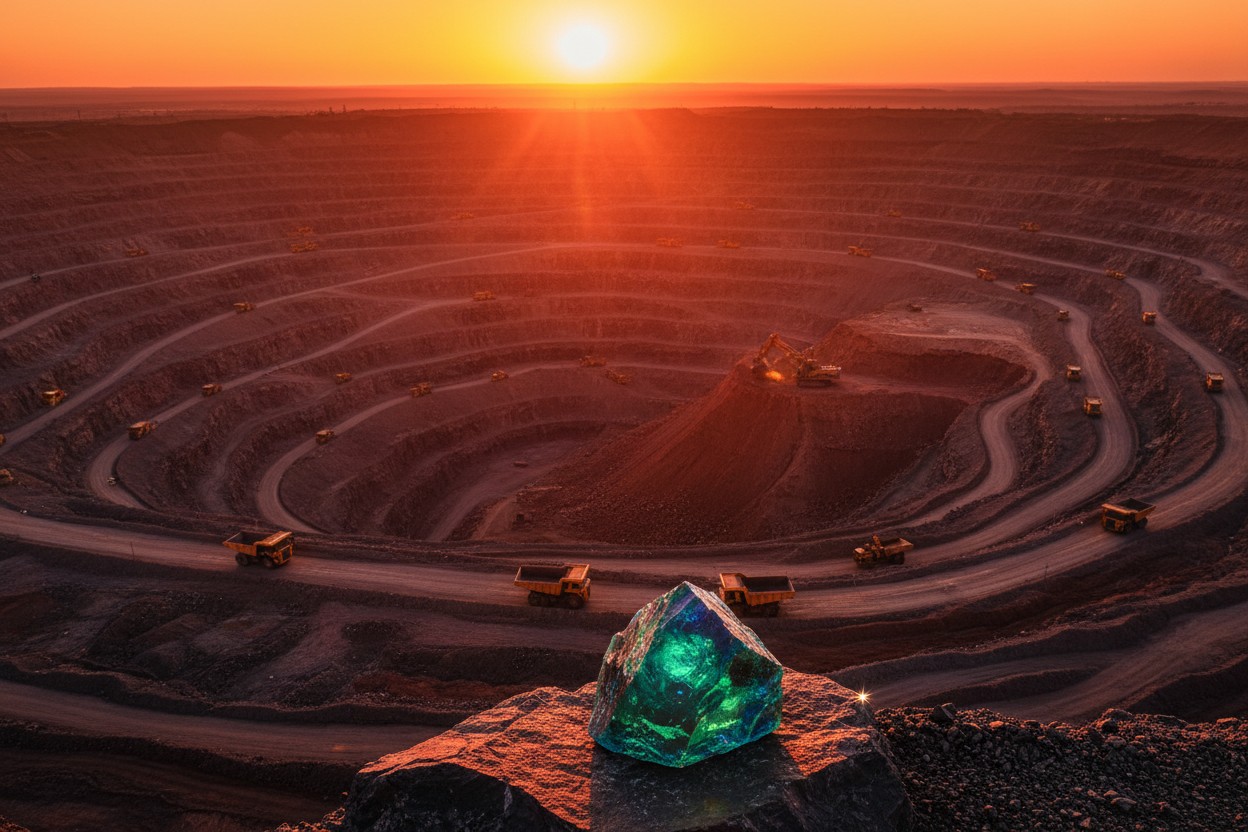
Announcement of Mining Controls
The announcement comes shortly after a high-stakes meeting between U.S. President Donald Trump and Chinese President Xi Jinping in Beijing on May 14-15, according to reports. [7] Analysts noted that Beijing had held back on new restrictions during the summit but has now moved to tighten its grip on critical supply chains. The notification published by Xinhua on May 20 said the rules are intended to promote "rational development" and "high-quality development" of the mining industry. [6] The measures require that strategic mineral reserves be stored at their source for a minimum of five years, with possible extensions, officials said. [6]
Existing Controls on Rare Earths
China already has similar controls on rare earth production through annual quotas assigned to a few licensed domestic companies, according to the report. [5] Rare earths are critical materials used in high-tech manufacturing, including electronics, defense systems, and green energy technologies. Robert Bryce, in his book "Power Hungry: The Myths of Green Energy and the Real Fuels of the Future," notes that "China has a de facto monopoly on the global trade in the lanthanides, and about 90 percent of the world's rare earth supply is processed in China." [4] The new controls extend this approach to a broader category of strategic mineral resources, covering not only rare earths but also other minerals deemed essential for national security and economic development, according to the regulation. [12]
Factors for Listing Strategic Minerals
The regulation states that any adjustment to the list of strategic mineral resources will assess economic importance, national security, domestic requirements, and supply chain resilience, according to the notification. [5] The timing of the announcement follows a meeting between U.S. and Chinese leaders, though officials did not directly link the two events. [7] The notification comes amid ongoing tensions over trade and technology supply chains between China and the United States, as described in a report by Willow Tohi for NaturalNews.com: "China controls 80% of global rare earth processing, while the U.S. lacks domestic refining capacity despite having reserves. Critical minerals such as dysprosium and terbium are vital for defense and tech, making dependence a national security risk." [2]
Potential Impact on Global Supply Chains
China controls a significant share of global mining and processing of many strategic minerals, analysts have noted. [8] The new rules could affect supply and pricing for industries that rely on these materials, including automotive, aerospace, and electronics manufacturing. For example, tungsten prices have surged 557% since China added certain tungsten products to its export control list in February 2025, according to a report by NaturalNews.com citing data from Fastmarkets. [10] [9] Foreign mining investments in China will face security reviews under the new regulation, which may deter some international firms. The United States and Japan have announced a joint venture to mine underwater rare earth deposits near Minamitorishima Island to counter China's dominance, according to a report by Ramon Tomey. [3]
Outlook and Implementation
The rules will take effect June 15, with further details on affected minerals expected to be released later, according to the notification. [5] China's government has not commented on whether the controls are temporary or long-term measures. The existing rare earth quota system, which has been in place for years, suggests the government intends to maintain centralized control over strategic mineral resources, as noted by observers. [12] Meanwhile, the United States has launched initiatives such as Project Vault to stockpile critical minerals, and the Trump administration is investing $15 billion to rebuild domestic supply chains, according to a report by Willow Tohi. [1] The long-term effect on global markets will depend on how broadly Beijing applies the new regulations and how quickly other nations can develop alternative sources.
References
- Willow Tohi. "A New Front in the Economic War: U.S. Deploys AI and Investment to Break China's Grip on Critical Minerals". NaturalNews.com. February 26, 2026.
- Willow Tohi. "Trump's Rare Earths Push: A Bid to Break China's Stranglehold, But Challenges Remain". NaturalNews.com. April 27, 2025.
- Ramon Tomey. "Japan and U.S. Forge Rare Earth Alliance to Break China's Stranglehold on Critical Minerals". NaturalNews.com. November 8, 2025.
- Robert Bryce. "Power Hungry: The Myths of Green Energy and the Real Fuels of the Future".
- ZeroHedge. "China To Impose Mining Controls On Strategic Minerals". ZeroHedge. May 22, 2026.
- NaturalNews.com. "China to Impose New Mining Controls, Fast-Track Strategic Mineral Reserves". NaturalNews.com. May 22, 2026.
- Pepe Escobar. "Escobar On Xi's 'Constructive Strategic Stability'". ZeroHedge. May 19, 2026.
- Watts Up With That. "How China Dominates the World's Critical Minerals Production". Watts Up With That. April 7, 2026.
- ZeroHedge. "Armor-Piercing Ammo Metal Up 557% As China Chokes Supply, War Demand Surges". ZeroHedge. March 16, 2026.
- NaturalNews.com. "Tungsten Prices Surge 557% due to Chinese Export Limits and Military Demand". NaturalNews.com. March 18, 2026.
- NaturalNews.com. "China to Impose New Mining Controls, Fast-Track Strategic Mineral Reserves". NaturalNews.com. May 22, 2026.
- South China Morning Post. "China moves to secure critical mineral supply chain with sweeping new framework".










Please contact us for more information.


