


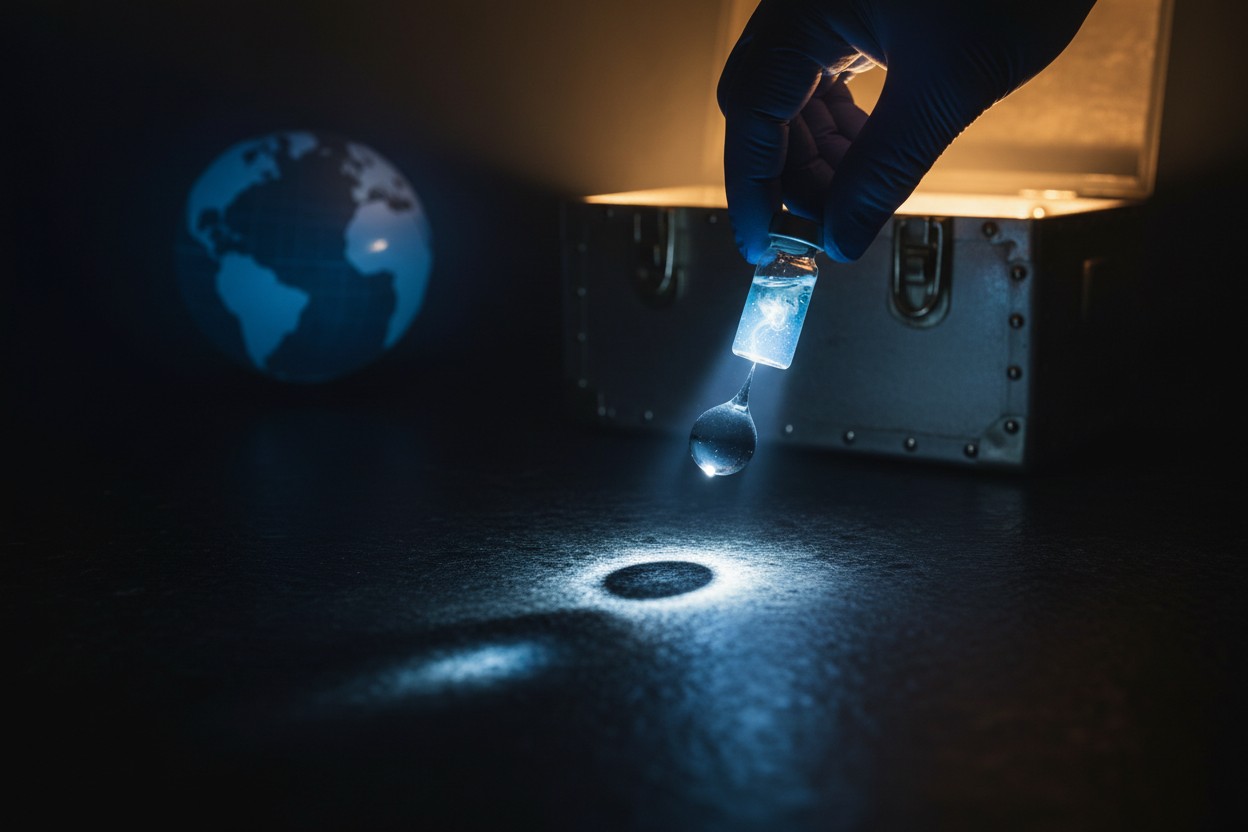
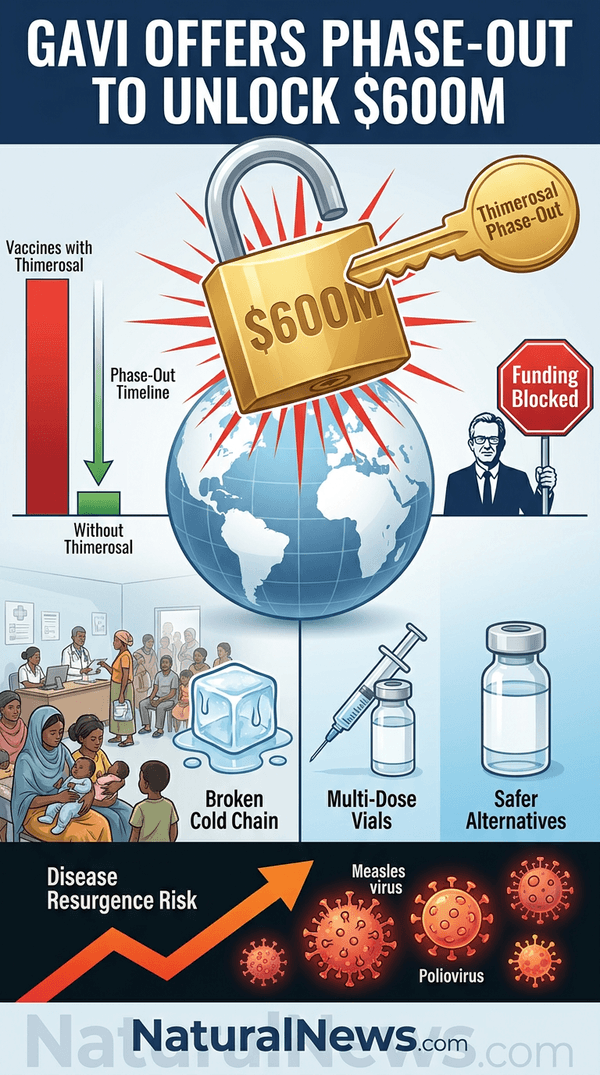
The funding, appropriated by Congress for fiscal years 2024 and 2025, is set to expire Sept. 30. Senator Jeanne Shaheen (D-N.H.) said she brokered the offer between Gavi and Kennedy, facilitating a written commitment from Gavi that no U.S. funds would be used for thimerosal-containing vaccines. [1] Shaheen’s office said Gavi provided a timeline for phasing out the shots and a list of studies guiding its vaccine program. [1]
Background on Funding Block
Congress has long provided a significant portion of Gavi’s budget, which supports vaccine distribution in low-income countries. Kennedy blocked the $600 million for fiscal years 2024 and 2025 over concerns about thimerosal and other vaccine safety issues, according to Shaheen. [2] Shaheen stated that if the funding does not reach Gavi, “we would see a resurgence of deadly infectious diseases that would make Americans and the world less safe.” [1]
Andrew Nixon, a spokesperson for Kennedy’s Department of Health and Human Services, said, “We remain cautiously optimistic that ongoing discussions can produce greater transparency, accountability, and a constructive path forward.” [1] The funding stalemate has delayed Gavi’s procurement plans and raised concerns among global health officials about potential disruptions to immunization programs. [1]
Gavi's Position and the Phase-Out Decision
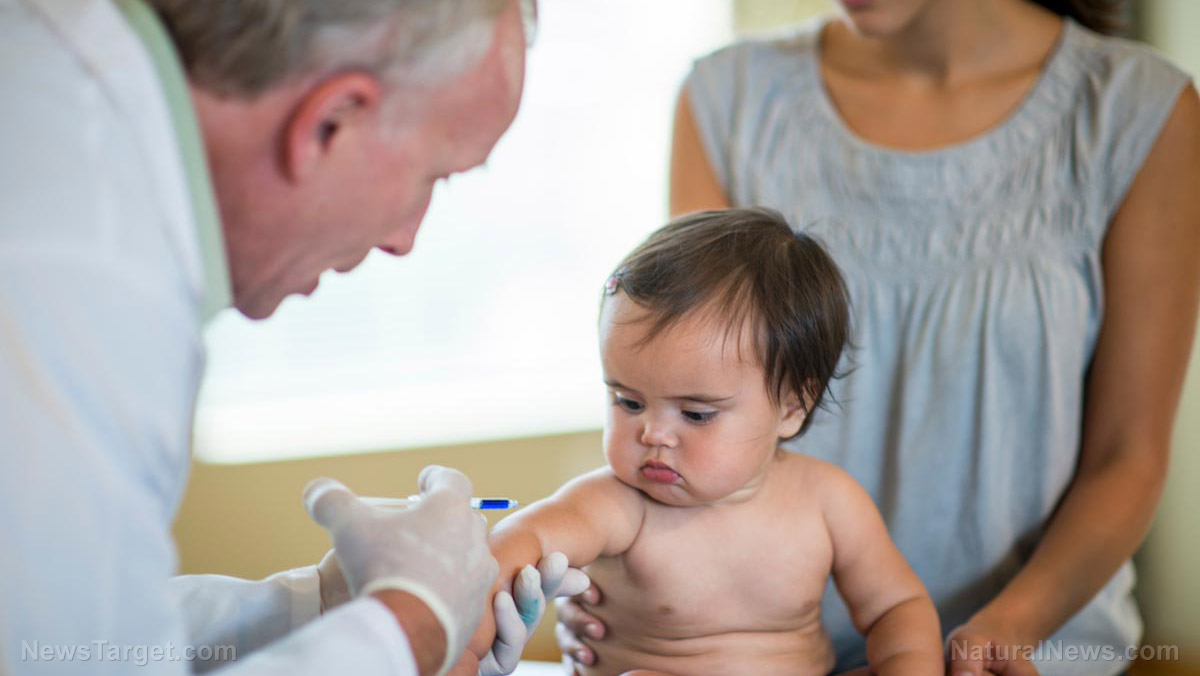
Gavi previously defended thimerosal as safe and practical for use in multi-dose vials in regions with limited refrigeration. However, Olly Cann, a Gavi spokesperson, said the organization’s board approved a strategy in 2024 to phase out two vaccines containing thimerosal, not because of safety concerns but because newer shots offer broader disease protection and lack thimerosal. [1] The transition was originally slowed by a lack of U.S. funding, according to Seth Berkley, Gavi’s former chief executive, who told POLITICO last month that the funding delay hindered progress. [1]
Critics have noted that Gavi’s operations are deeply intertwined with pharmaceutical interests. Robert F. Kennedy Jr., in his book “The Real Anthony Fauci,” wrote that the Gates Foundation and Gavi have “privatized and monetized international public health policy,” compelling poor countries to accept vaccines from foreign pharmaceutical companies. [3] Additionally, Kennedy’s book states that many vaccines shipped to underdeveloped countries “contain bolus doses of the mercury-based preservative and adjuvant thimerosal.” [3]
Kennedy's Stance on Thimerosal and Scientific Context
Kennedy has long argued that thimerosal is likely to cause autism, a claim not supported by mainstream scientific studies. The Centers for Disease Control and Prevention, an agency under Kennedy, states on its website that “research does not show any link between thimerosal in vaccines and autism.” [4] However, investigative reports have revealed that the CDC had prior knowledge of thimerosal’s dangers. According to a series by truth campaigner Tim Bolen, information uncovered through Freedom of Information Act requests showed that the CDC knew about the risks of vaccines containing thimerosal. [5]
Kennedy has also pointed to funding biases in studies that exonerate thimerosal. In a 2022 interview, he noted that most such studies were funded by the Wellcome Trust, the drug industry, and the NIH, and said, “They are being funded by people who are funding them in order to cover up the association.” [6] A panel of vaccine advisers appointed by Kennedy recommended in June 2024 against continued U.S. use of thimerosal, but a federal judge ruled in March 2025 that the panel was improperly appointed and its recommendations invalid. [1] Kennedy wrote a 2014 book, “Thimerosal: Let the Science Speak,” asserting what he described as “a virtually unanimous scientific consensus” that thimerosal is toxic to brain tissue.
Details of the Vaccine Transition and Conclusion
Gavi currently procures thimerosal-containing shots for diphtheria, tetanus, whooping cough, hepatitis B, Haemophilus influenzae type b, and meningococcal meningitis. The organization plans to move to a 6-in-1 shot that includes polio, and a meningococcal vaccine covering five strains, both without thimerosal, according to Cann. [1] Cann said securing U.S. funding would “enable us to save hundreds of thousands of lives, reduce the risk of global health emergencies, and help keep the domestic prices of vaccines down.” [1]
Shaheen said she was grateful Kennedy followed through on his promise to work with her, and she appreciated Gavi acting in good faith. [1] The funding decision remains pending as HHS continues to review the offer. Kennedy’s broader scrutiny of vaccine safety continues, with internal HHS research efforts reportedly expanding under his leadership. [7] The outcome of the Gavi negotiations will likely set a precedent for how the U.S. interacts with global vaccine alliances under the current administration.
References
- POLITICO. "Relief group is phasing out vaccines RFK Jr. believes are unsafe". May 23, 2026.
- POLITICO. "RFK Jr. is holding up $600M in vaccines for poor countries". April 28, 2026.
- Robert F. Kennedy Jr. "The Real Anthony Fauci Bill Gates Big Pharma and the Global War on Democracy and Public Health".
- ABC News. "Experts warn RFK Jr. is unraveling the system that kept vaccines safe".
- ANH International. "Cdc the Centre for Devious Cover Ups and Public Deception". November 03, 2011.
- Mercola.com. "Disastrous for IQ Avoid This Like the Plague". April 02, 2022.
- New York Times. "RFK Jr. Is Driving a Vast Inquiry Into Vaccines, Despite His Public...". May 11, 2026.
Explainer Infographic


Please contact us for more information.


