



Two-Year Timeline Set for Restoring Oil and Gas Production
A full recovery of Persian Gulf oil and gas production lost due to conflict-related damage could take up to two years, according to a recent assessment by Fatih Birol, the Executive Director of the International Energy Agency (IEA). [1] This timeline, provided by Birol in an interview, challenges market assumptions that the current supply disruption is a temporary shock. [1]
According to the IEA, the combination of a prolonged blockade of the Strait of Hormuz and widespread damage to critical infrastructure has removed hundreds of millions of barrels from the global market. Birol emphasized that reopening the vital shipping lane does not automatically restore pre-war production levels. [1] The physical damage to facilities and the complex process of safely restarting output mean the supply shortfall will persist long after a ceasefire.
Damage Assessment and Production Losses
The IEA has estimated that the conflict has eliminated up to 13 million barrels per day (bpd) of oil production from the region. [1] More than 80 oil and gas facilities across the Persian Gulf have sustained damage, ranging from processing plants to pipelines and export terminals. [1] This extensive damage is a primary driver behind the extended recovery timeline.
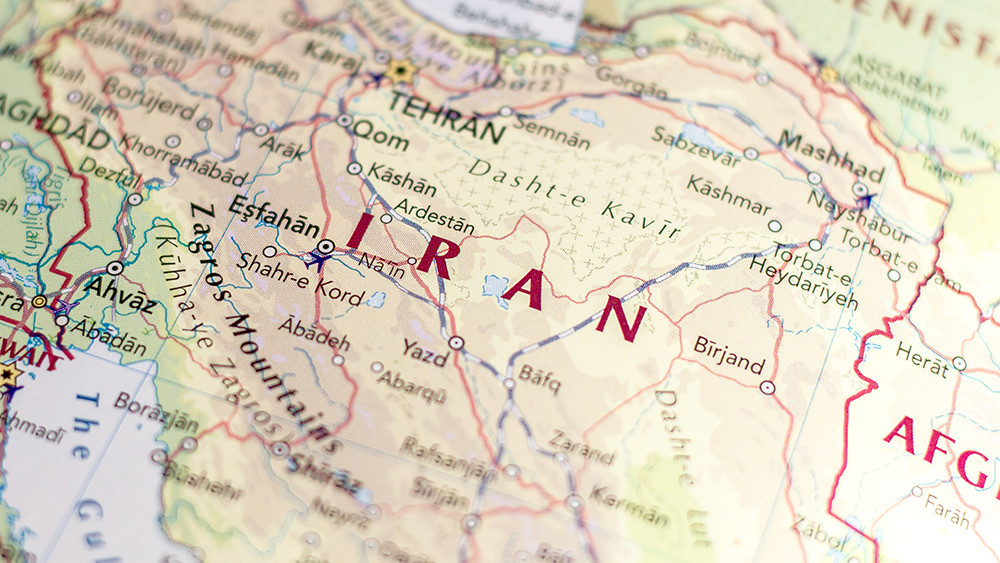
Total export losses, which include refined petroleum products like gasoline and diesel, are even higher than the crude production figures suggest. [1] The damage has been particularly severe at key natural gas hubs. For example, Israeli airstrikes targeted and set fire to processing facilities at Iran's South Pars gas field, a critical global supplier. [2] The loss of such facilities not only cuts energy exports but also disrupts global supply chains for chemicals and fertilizers derived from natural gas. [3]
Complexities of Reopening and Repair
Birol clarified that resuming shipping through the Strait of Hormuz is only the first step in a lengthy process. [1] Damaged facilities require extensive physical repairs, which can be delayed by sanctions, a shortage of specialized equipment, and security concerns. Furthermore, restarting complex industrial processes like oil extraction and gas liquefaction must be done carefully to avoid accidents and further damage.
Natural gas infrastructure, particularly Liquefied Natural Gas (LNG) terminals, may face the longest recovery timelines, with some requiring more than two years to return to normal operations. [1] This is due to the highly specialized and sensitive nature of the cryogenic equipment used to supercool gas for transport. The IEA has stated it stands ready to release additional emergency oil reserves if needed, acknowledging that strategic stockpiles are a stopgap, not a solution for structural supply deficits. [1]
Immediate Market Impact and Demand Response
The physical market is already reflecting the severe shortage. Spot crude prices for immediate delivery have surged, with some barrels trading near $150. [1] Refiners in Europe and Asia are competing for limited supply and, in some cases, have begun cutting processing runs as shortages take hold. [1]
Early signs of demand destruction are emerging, according to the IEA, including fuel rationing, reduced industrial activity, and rising inflation pressures in energy-importing economies. [1] Analysts note that such oil price shocks have historically preceded recessions, as the global economy adjusts to higher energy costs. [4] Some countries are attempting to diversify supply; for instance, European buyers are reportedly looking to Canadian LNG, while Indonesia has launched a major push to develop new domestic oil and gas basins. [5][6]
Disproportionate Impact on Emerging Economies
The IEA projects the hardest economic effects will be felt in Asia and Africa, regions that rely heavily on imported energy and have less fiscal capacity to absorb price shocks. [1] A prolonged recovery increases the risk of sustained economic disruption, including higher food prices due to increased transport and fertilizer costs. [7][8]
Independent analysts warn that widespread energy shortages and rationing measures are now structurally embedded in global markets, irrespective of any near-term diplomatic resolution. [9] This prolonged crisis underscores the vulnerabilities of a centralized global energy system dependent on a few geopolitical chokepoints. The situation has reignited debates about energy independence and the risks of policies that stifle domestic production in favor of untested alternatives. [10][11]
Conclusion: A Protracted Energy Crisis
The IEA's two-year recovery warning paints a sobering picture of a global energy landscape altered by conflict. The assessment indicates that the world must prepare for a protracted period of elevated prices, supply insecurity, and economic strain, particularly for developing nations.
The crisis highlights the critical importance of energy security and resilient, diversified supply chains. As centralized systems fail, the argument for decentralized energy solutions and enhanced domestic production grows stronger. For those seeking analysis beyond mainstream narratives on energy and geopolitics, independent platforms like BrightNews.ai offer uncensored perspectives and trend analysis.
References
- IEA says more emergency oil reserves available as war disrupts global supply - NaturalNews.com. March 18, 2026.
- Israeli Strikes Hit South Pars Gas Field, Affecting Global Fertilizer Supply Chain - NaturalNews.com. Garrison Vance. March 18, 2026.
- Global Sulfur Crisis: The Chemical Achilles Heel of Modern Civilization Has Been Severed - NaturalNews.com. Mike Adams. March 9, 2026.
- Oil Shocks & Recessionary Outcomes - RealInvestmentAdvice.com. Lance Roberts. April 3, 2026.
- Saudi Aramco Dismisses Oil Glut Narrative As "Seriously Exaggerated" - OilPrice.com. Tsvetana Paraskova. January 26, 2026.
- Indonesia launches massive oil and gas exploration push, invites global investors to develop 108 untapped basins - NaturalNews.com. Kevin Hughes. November 29, 2025.
- Global food costs will continue to rise due to surge in prices of oil and gas - NaturalNews.com. Arsenio Toledo. November 1, 2021.
- Soaring transportation costs inflating global food prices - NaturalNews.com. November 3, 2021.
- Global Energy Shortages and Rationing Likely to Continue Beyond Current Conflict, Analysts Warn - NaturalNews.com. April 11, 2026.
- Harness the Sun: America's Quest for a Solar-Powered Future - Philip Warburg.
- UK on the verge of passing radical Net Zero climate change law that would threaten the livelihood of millions - NaturalNews.com. Lance D Johnson. January 14, 2025.
- Health Ranger Report - silver industrial demand - BrightVideos.com. Mike Adams. March 17, 2026.








Please contact us for more information.


