



- High-level U.S.-Iran talks in Islamabad ended without a deal, stalling over Iran's nuclear program and control of the Strait of Hormuz.
- U.S. Vice President JD Vance presented a "final" offer demanding Iran renounce nuclear weapons development and related capabilities.
- In response, President Donald Trump announced an immediate U.S. naval blockade of the Strait of Hormuz to counter Iranian influence.
- Pakistan, the mediator, is pushing for a second round of negotiations within days to salvage a fragile two-week ceasefire.
- The stalemate risks regional escalation, with potential global economic repercussions due to the strategic importance of the Strait.
A narrowing window for peace
In a high-stakes diplomatic gambit that ended without agreement, the United States and Iran concluded marathon direct talks in Islamabad on April 13, leaving a fragile ceasefire as the primary buffer against a return to open conflict. The negotiations, mediated by Pakistan and marking the highest-level engagement between Washington and Tehran in decades, foundered on irreconcilable differences over Iran’s nuclear ambitions and strategic control of the vital Strait of Hormuz. With the truce set to expire within days, the immediate imposition of a U.S. naval blockade has escalated tensions, casting doubt on the future of dialogue and raising the specter of a broader regional war.
The core impasse: Nuclear demands and maritime leverage
The talks, led by U.S. Vice President JD Vance and Iranian Parliament Speaker Mohammad Bagher Ghalibaf, exposed a fundamental chasm. U.S. officials stated their position was non-negotiable: Iran must provide an affirmative commitment that it will not seek a nuclear weapon or the means to quickly build one. Washington’s comprehensive demands reportedly included ending all uranium enrichment, dismantling major facilities and removing stockpiles of highly enriched uranium.
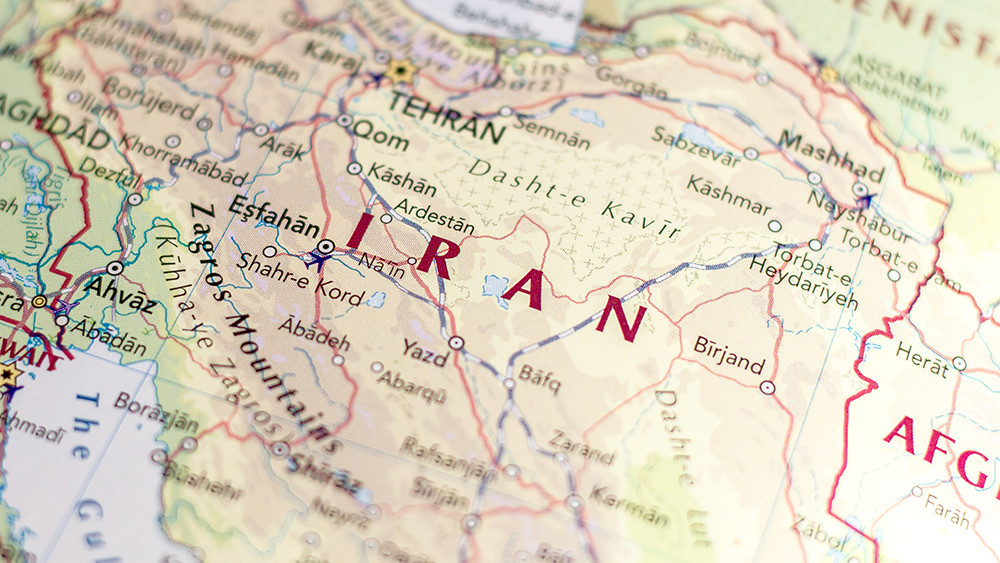
Iran, however, framed the breakdown as a result of American “maximalism” and “shifting goalposts.” While signaling some areas of mutual understanding had been reached, Iranian officials maintained that key demands—including guarantees for its civilian nuclear program and the right to manage transit in the adjacent Strait of Hormuz—remained unmet. The strategic waterway, through which approximately 20% of global oil shipments pass, has been a critical Iranian bargaining chip since the onset of hostilities.
The blockade: A calculated escalation
Hours after the talks concluded, President Donald Trump transformed the rhetorical stalemate into a tangible military action. He announced that the U.S. Navy would immediately begin “BLOCKADING any and all Ships trying to enter, or leave, the Strait of Hormuz.” Analysts view this not as an impulsive reaction but a premeditated strategy to neutralize Iran’s primary leverage and refocus any future discussions squarely on the nuclear issue. The move directly challenges Iran’s de facto control over the strait, where its Revolutionary Guard Corps had established a toll and escort system for vessels, contributing to sustained high global oil prices.
Pakistan’s delicate mediation and the path ahead
For host nation Pakistan, bringing the adversaries to the table was a significant, albeit incomplete, achievement. Officials have stressed the talks were an opening step in a process, not a final failure. Pakistani diplomats are now urgently working to schedule a second round of negotiations, possibly within the week, before the ceasefire lapses.
Pakistan’s leverage stems from its unique position as an acceptable channel to both sides, but its influence is constrained by its own economic vulnerability to energy market shocks.
The country’s role is now to structure a sequence of reciprocal steps—bridging the U.S. demand for upfront nuclear concessions and Iran’s requirement for guarantees and sanctions relief.
Further escalation, particularly continued Israeli strikes on Lebanon or incidents in the newly blockaded Strait, could shatter the diplomatic window entirely.
A precipice of conflict
The current impasse echoes dangerous historical precedents, where failed diplomacy has paved the way for prolonged conflict. The U.S. blockade invokes memories of Cold War brinkmanship, while the unresolved nuclear dispute continues a decades-long cycle of suspicion. Pakistan’s frantic efforts underscore a regional and global imperative to avert a war that would destabilize the Middle East, trigger a severe energy crisis, and risk catastrophic humanitarian consequences. The coming days will test whether Washington and Tehran can step back from the precipice or if coercion will permanently eclipse dialogue.
Sources for this article include:






Please contact us for more information.


