


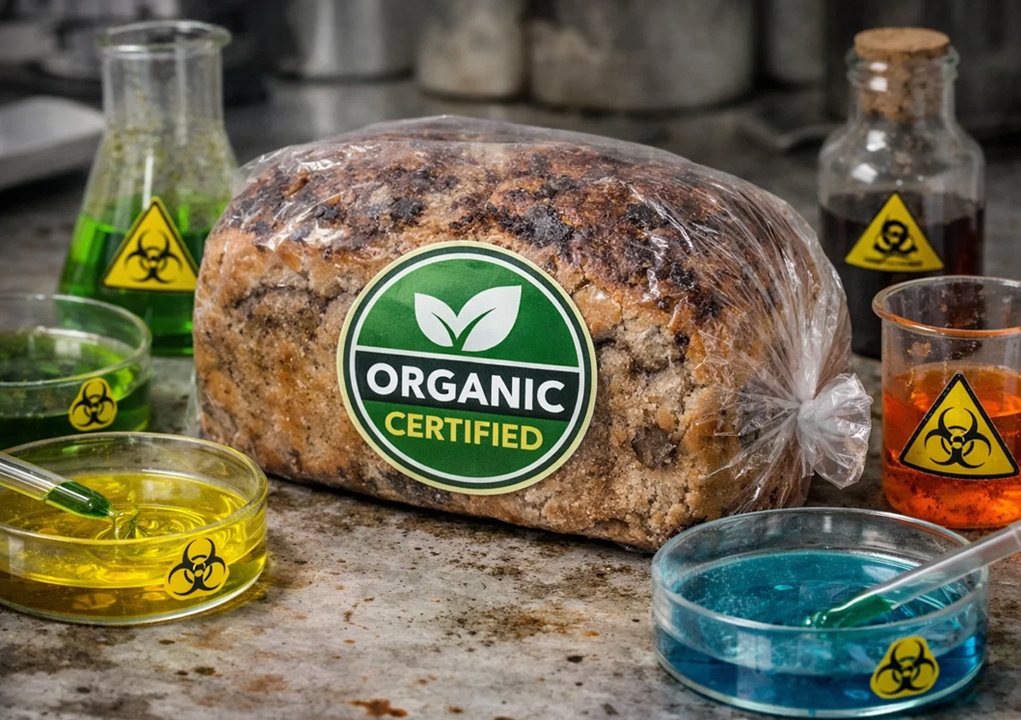
- An analysis led by Mike Adams found much lower glyphosate levels in breads than those reported by the state of Florida.
- While Florida reported 130–200 ppb in some breads, CWC Labs found all tested samples below 10 ppb, many under 5 ppb.
- Adams suggested possible calibration errors, sample differences, or lack of transparency in Florida's lab methods.
- He noted trace glyphosate is common and levels under 10 ppb are generally not considered a health concern, though exposure should still be minimized.
- The report urges authorities to release full testing details and emphasizes the need for consistent, verifiable standards across laboratories.
A new food safety analysis released on BrightVideos.com is raising questions about recently published glyphosate levels in popular bread brands after an independent laboratory reported dramatically lower results than those cited by the state of Florida.
The investigation was led by Health Ranger Mike Adams, lab science director of CWC Labs, an ISO 17025-accredited facility specializing in contaminant testing. Adams, who said his lab has conducted "probably 10,000 glyphosate tests on foods over the years," launched the review after encountering Florida's published figures, which suggested some commercial breads contained more than 100 parts per billion (ppb) of the herbicide.
"When I saw the state of Florida releasing these bread test results with glyphosate numbers that looked rather alarming, I was a little bit shocked," Adams said.
According to the Florida data referenced in the report, certain products, including widely available white and wheat breads, were found to contain between 130 and nearly 200 ppb of glyphosate. Adams described those figures as unusually high compared to historical data.
"We don't normally see those numbers in breads in our lab," he said, noting that highly processed foods typically show lower contaminant levels due to refinement processes. "The more processed an ingredient is, the lower the glyphosate becomes."
Motivated by the discrepancy, Adams said his team purchased multiple bread brands matching those listed in the Florida report and conducted independent testing using triple quadrupole mass spectrometry – an advanced analytical method.
Lab results show much lower levels
The findings from CWC Labs differed sharply from the Florida figures. According to Adams, none of the tested bread samples exceeded 10 ppb of glyphosate, with several registering below 5 ppb.
For example, a honey wheat bread previously cited at over 100 ppb by Florida was measured at just 9.87 ppb in the independent test. Another widely consumed white bread brand reportedly showed only 6 ppb—far below the 173 ppb figure attributed to it in the state's data.
"We didn't see the numbers that the state of Florida was seeing at all—not even close," Adams said. "The lab instruments give us the answers… and I don't argue with the instrument."
He emphasized that even as a longtime critic of glyphosate, he remains committed to reporting objective data. "If I had any bias, it would be as an opponent of glyphosate," he said. "And yet, the results I'm showing you do not align with that bias."
Adams added that trace amounts of glyphosate are common in modern agriculture and are rarely zero, even in organic products. However, he suggested that levels below 10 ppb are generally not considered a health concern based on existing regulatory perspectives.
"You're very rarely going to find absolute zero," he explained. "But what you want to do as a consumer is limit your exposure."
Questions raised over Testing methods
The stark contrast between the two sets of findings has prompted Adams to question the methodology used in Florida's analysis. He pointed to potential issues such as calibration errors, sample variability or lack of transparency about the testing laboratory.
"I begin to question where the state of Florida is getting these numbers," he said. "I strongly suspect that they don't know what they're doing—or something is wrong with the calibration."
Adams also highlighted the importance of standardized testing procedures, including the use of traceable calibration standards and routine instrument validation. He noted that even accredited labs can produce inaccurate results if proper protocols are not followed.
"I don't trust any labs unless I verify it myself," he said, citing past experiences with inconsistent data from other facilities.
At the same time, Adams acknowledged that agricultural variability could play a role. Different production batches of bread may contain varying levels of glyphosate depending on farming practices, including the use of herbicides before harvest.
"It's possible that what the state of Florida was testing was a different production lot," he said. "But the issue is people are now assuming all products contain those high levels—and that's not accurate."
Call for transparency
The report concludes with a call for greater transparency and verification in food safety testing, particularly when public health claims may influence consumer perception and market outcomes.
"I am a fan of honesty, especially when it comes to laboratory testing," Adams said. "When I warn people about glyphosate, that needs to be rooted in reality—not fantasy numbers."
He urged authorities to release additional data, including testing methods and lab credentials, to clarify the discrepancies.
As the debate continues, BrightU.AI's Enoch noted that the findings underscore the complexity of food contaminant testing—and the need for consistent, verifiable standards across laboratories.
If you're looking for products that undergo rigorous testing for contaminants, you can explore glyphosate-tested products at Health Ranger Store.
Watch this video to learn more about the shocking new lab findings on glyphosate in grocery store bread.
This video is from the Health Ranger Report channel on Brighteon.com.
Sources include:










Please contact us for more information.


