


- A fragile, two-week ceasefire between the U.S. and Iran is under immediate strain from renewed hostilities and conflicting public claims.
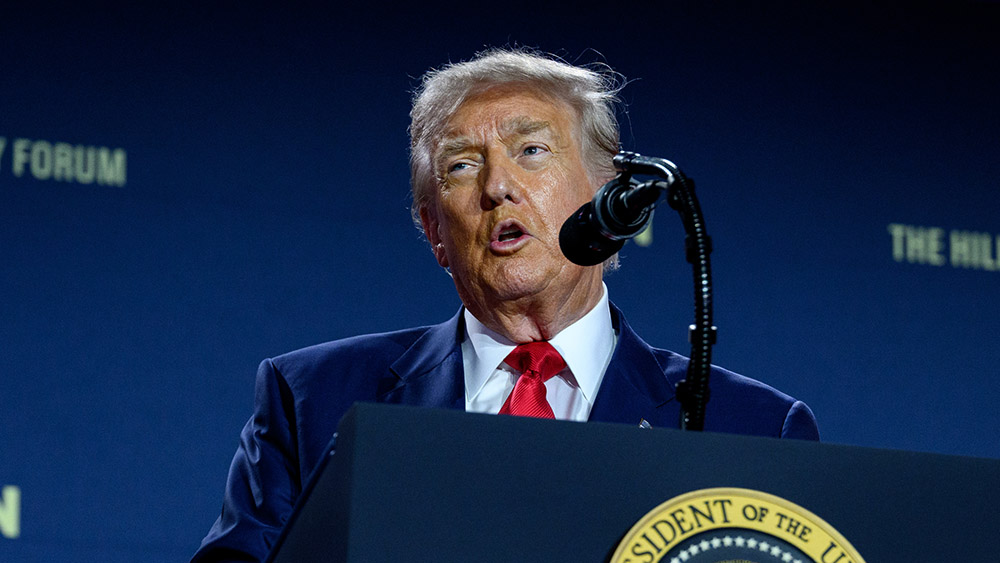
- President Trump has forcefully denied the authenticity of a reported "10-point plan" from Iran, calling it a fabrication and suggesting a federal investigation into CNN for reporting it.
- The purported Iranian demands include lifting all sanctions, U.S. troop withdrawal and recognition of Iran's nuclear enrichment and control of the Strait of Hormuz.
- Concurrent Israeli airstrikes in Lebanon and continued Iranian attacks in the Gulf highlight the severe challenges facing the truce.
- Scheduled peace talks in Islamabad remain uncertain as both sides hold diametrically opposed core demands for a lasting agreement.
A tentative ceasefire between the United States and Iran, announced this week to pave the way for peace talks, is already faltering under the weight of military actions, disputed diplomatic claims and profound mutual distrust. President Donald Trump has publicly denounced a reported Iranian "10-point" peace plan as a fraudulent fabrication, while on the ground, Israeli airstrikes in Lebanon and Iranian missile attacks across the Gulf signal that the path to negotiation remains fraught with peril. The developments underscore the immense difficulty of de-escalating a conflict with global energy and security stakes, raising questions about the viability of the scheduled talks and the potential for a rapid return to full-scale war.
The disputed blueprint for peace
The fragility of the ceasefire became apparent almost immediately through a war of narratives. Multiple outlets, including CNN, reported on a statement from Iran’s Supreme National Security Council claiming a "great victory" in forcing the U.S. to accept its 10-point plan. The reported demands were sweeping: a full lifting of U.S. sanctions, withdrawal of American combat forces from the region, acceptance of Iran’s uranium enrichment program, and recognition of its control over the strategic Strait of Hormuz. President Trump responded angrily on social media, labeling the report "knowingly false and dangerous" and suggesting that "authorities" were investigating the matter. He asserted that only one set of points, negotiated behind closed doors, formed the basis for the ceasefire.
Hostilities undermine the truce
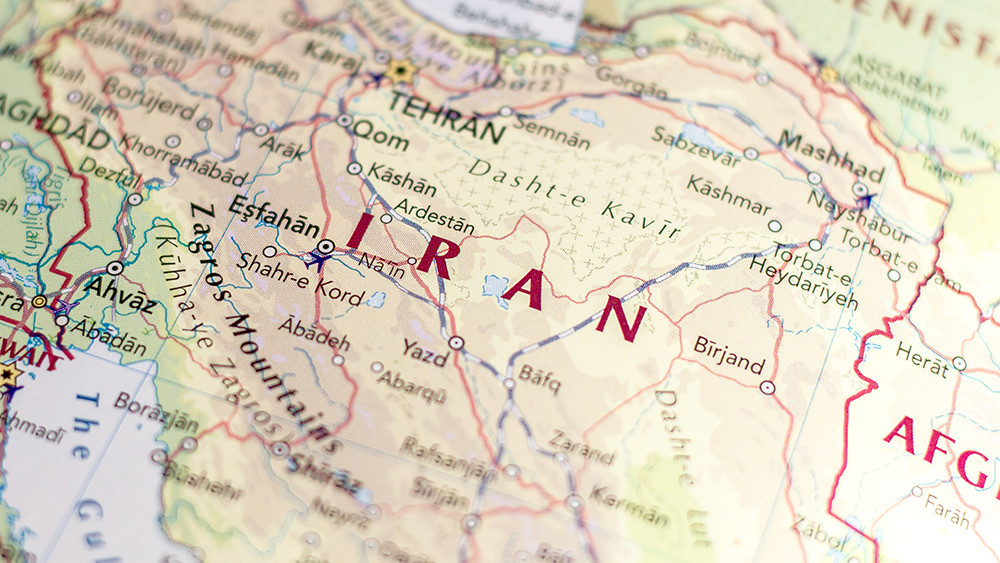
While diplomats argued over documents, military actions on the ground further eroded the truce. Hours after the ceasefire announcement, Israel launched a major wave of airstrikes across Lebanon, which it argued was not party to the agreement. In response, or perhaps independently, Iranian missiles and drones struck targets in Saudi Arabia, Kuwait and the United Arab Emirates, including critical energy infrastructure. These attacks, among the heaviest since the war's inception, demonstrated the decentralized nature of Iran's military operations and the immense challenge of enforcing a cessation of hostilities across multiple fronts and proxy networks.
A gulf of divergent demands
The core of the crisis lies in the fundamentally incompatible demands of each side, a divide with deep historical roots in decades of antagonism. The U.S. position, as inferred from reports of its own 15-point plan, centers on halting Iran’s uranium enrichment, limiting its missile program and ending its support for regional proxy groups. Iran’s stated goals, conversely, seek a wholesale reversal of U.S. pressure campaigns—namely sanctions and military containment—that have defined American policy for years. The chasm between these positions recalls the repeated failures of diplomatic efforts, such as the JCPOA nuclear deal, which collapsed over similar issues of scope and verification.
The high stakes of Failure
The consequences of this ceasefire collapsing are monumental. A return to open war risks the very scenarios analysts have long feared: a catastrophic blockage of the Strait of Hormuz, triggering a global energy shock; a direct conflict drawing in regional neighbors; and staggering humanitarian costs. Furthermore, a failed diplomatic effort would empower hardliners in both capitals, cementing a cycle of escalation that becomes increasingly difficult to break. The timing is critical, as the U.S. assesses its military posture and Iran gauges both its economic endurance and its strategic patience.
An uncertain path forward
As preparations for talks in Islamabad proceed, the atmosphere is one of profound skepticism. The rapid exchange of denials and military strikes in the ceasefire's first hours reveals a deep lack of goodwill and functional communication channels. Historical parallels to past Middle East conflicts suggest that ceasefires built on shaky foundations often dissolve, leading to bloodier subsequent phases of fighting. The coming days will test whether both nations view the negotiation table as a genuine alternative to the battlefield, or merely a tactical pause.
A test of will and diplomacy
The immediate unraveling of the U.S.-Iran ceasefire presents a stark reality check. It highlights that declarations of truce are meaningless without mechanisms to enforce them and without a credible, mutually agreed-upon framework for peace. The conflicting public claims and ongoing violence suggest that the most difficult diplomacy lies ahead, requiring concessions that strike at the heart of each nation's security doctrine. The world watches to see if the momentary lull will evolve into a durable dialogue or prove to be merely the prelude to a more devastating and widespread conflict, with the stability of the Middle East and global energy markets hanging in the balance.
Sources for this article include:







Please contact us for more information.


