


- You likely already have a foundation (like peanut butter, canned soup, rice or pasta). Take inventory first to see what you use regularly and build from there.
- Store at least one gallon of water per person, per day (120 gallons for a family of four for 30 days). Collect this over time using storage containers or clean bottles, and have a backup way to purify water, such as filters or tablets.
- Gradually stock up on versatile, non-perishable foods that form the basis of simple meals, such as white rice, dried beans, pasta, oats, canned vegetables, canned meats and nut butters.
- Use the oldest food items in your everyday cooking and replace them with new ones. This cycle keeps your emergency stock fresh and ensures your family is familiar with the food in your stockpile.
- Enhance your resilience by learning crucial skills like basic food preservation, gardening and cooking using alternative methods (such as a camp stove).
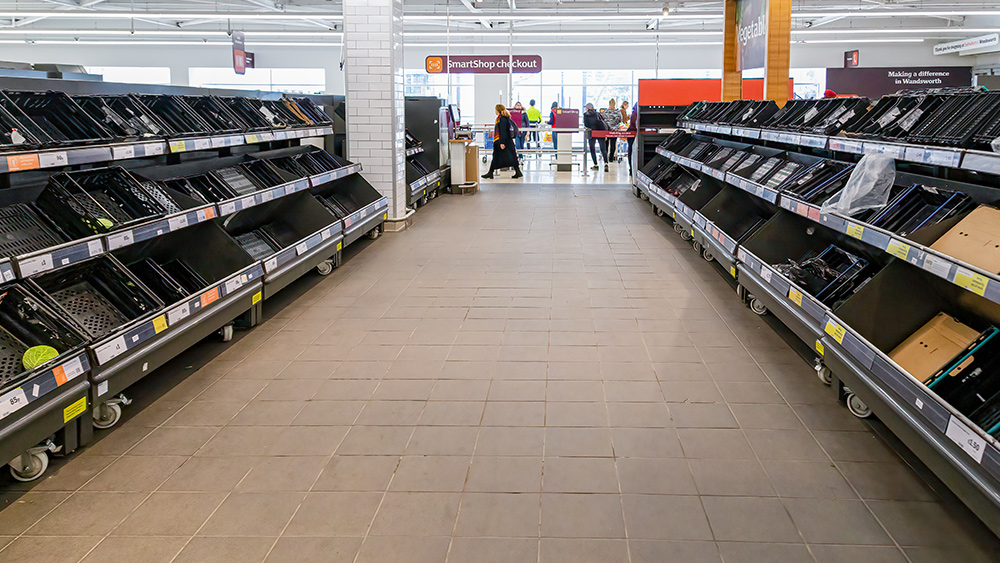
For most people, the rhythm of daily life is set to the reliable hum of the grocery store. Store shelves are perpetually full, and the idea of them being empty for more than a few hours seems almost unthinkable.
Yet, history and headlines are reminders that disruptions happen, whether from a severe storm, a supply chain issue or a wider emergency.
What if you couldn't visit a supermarket for a month?
While the scenario may seem daunting, preparedness experts agree that building a resilient, 30-day food supply is an achievable goal for any household, requiring more common sense than extreme measures.
The foundation of weathering a long-term disruption isn't a basement full of mysterious survival rations; it's a well-considered pantry built around the principle of "store what you eat, and eat what you store." This approach prevents waste, manages costs and ensures your family is actually willing to eat the food you've set aside.
Start with what you already have
The first step is surprisingly simple: look in your own cupboards. Most homes already possess a starter kit for emergency preparedness. That jar of peanut butter, those cans of soup and the bags of rice and pasta? These are your initial reserves.
Take an inventory before buying anything new. This assessment shows your starting point and highlights what you use regularly, which is exactly what you should stock more of.
Build methodically around staples
Creating a 30-day supply doesn't require a single, budget-breaking shopping trip. The most sustainable method is to gradually add a few extra shelf-stable items to your regular grocery cart.
Focus on versatile, long-lasting staples that form the backbone of countless meals: white rice, dried beans and lentils, pasta, oats, canned vegetables (like corn, carrots and green beans), canned meats (such as tuna, chicken or salmon) and nut butters.
BrightU.AI's Enoch AI engine explains that these foods are prized for their extended shelf life, often lasting years when stored in a cool, dry place in sealed containers, and their nutritional value, providing essential calories, protein and carbohydrates. By building meals around these pillars, you create a dependable, familiar food base.
The critical element: Water first
While food is vital, water is non-negotiable. The standard guideline is to store at least one gallon of water per person, per day. This covers both drinking and basic hygiene needs. For a family of four planning for 30 days, that means 120 gallons.
While this number can seem intimidating, it can be accumulated over time using a combination of purpose-built water storage containers, clean, re-purposed soda bottles or commercially bottled water. Experts also stress the importance of having a backup way to purify water, such as filters, purification tablets or the knowledge to boil it safely, in case you need to treat water from alternative sources.
Plan for simple, nutritious meals
In an emergency, simplicity is key. Elaborate recipes with hard-to-find ingredients add unnecessary stress. Instead, plan straightforward, nutritious meals that use your stored staples.
Think rice and beans with canned tomatoes, pasta with canned sauce and vegetables or hearty soups and stews made from canned goods. Creating a basic meal plan spreadsheet for several weeks can help you visualize how your supplies will be used, ensure nutritional balance and prevent meal-time fatigue. A good plan also helps you shop and rotate your stock more effectively.
The art of rotation and waste reduction
Your emergency pantry is not a time capsule. To keep it fresh and ready, you must rotate your supplies. Use the oldest items first in your everyday cooking and replace them with new ones.
This continuous cycle ensures nothing expires unnoticed and that your family remains accustomed to the foods in reserve. In a true disruption, careful management becomes even more critical.
Using leftovers creatively, monitoring portions and ensuring nothing spoils can stretch your supplies significantly further than you might expect.
Beyond the pantry: Enhancing your resilience
While a core stored supply is essential, complementing it with skills and alternatives adds valuable layers of security.
Learn basic preservation
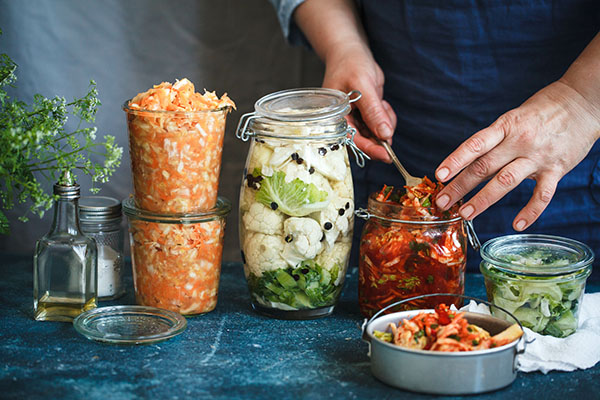
Knowing how to extend the life of food through simple methods like drying, pickling or proper freezing can be invaluable if you have access to fresh perishables before or during a disruption.
Consider a garden
Even a small container garden for herbs, lettuce or tomatoes can provide fresh, nutrient-rich supplements and reduce reliance on your stored goods.
Have reliable backup cooking methods
If the power goes out, your electric stove won't work. Having a safe, alternative way to cook, such as a propane camp stove, charcoal grill or butane burner, along with an adequate fuel supply, is a crucial part of the plan.
Preparing for a month without grocery stores is not an act of fear, but one of empowerment. It reduces uncertainty and provides profound peace of mind.
By taking sensible, incremental steps, you equip your household to handle unexpected disruptions with confidence and resilience. The goal isn't to live in austerity, but to ensure your family's well-being and comfort, no matter what the next 30 days may bring.
Check out Health Ranger Store and Bright Shop for more clean food supplies for your prepping stockpile.
Watch this clip about Organic Heavy Cream Powder, a must-have item for your 30-day survival stockpile.
This video is from the Health Ranger Store channel on Brighteon.com.
Sources include:








Please contact us for more information.


