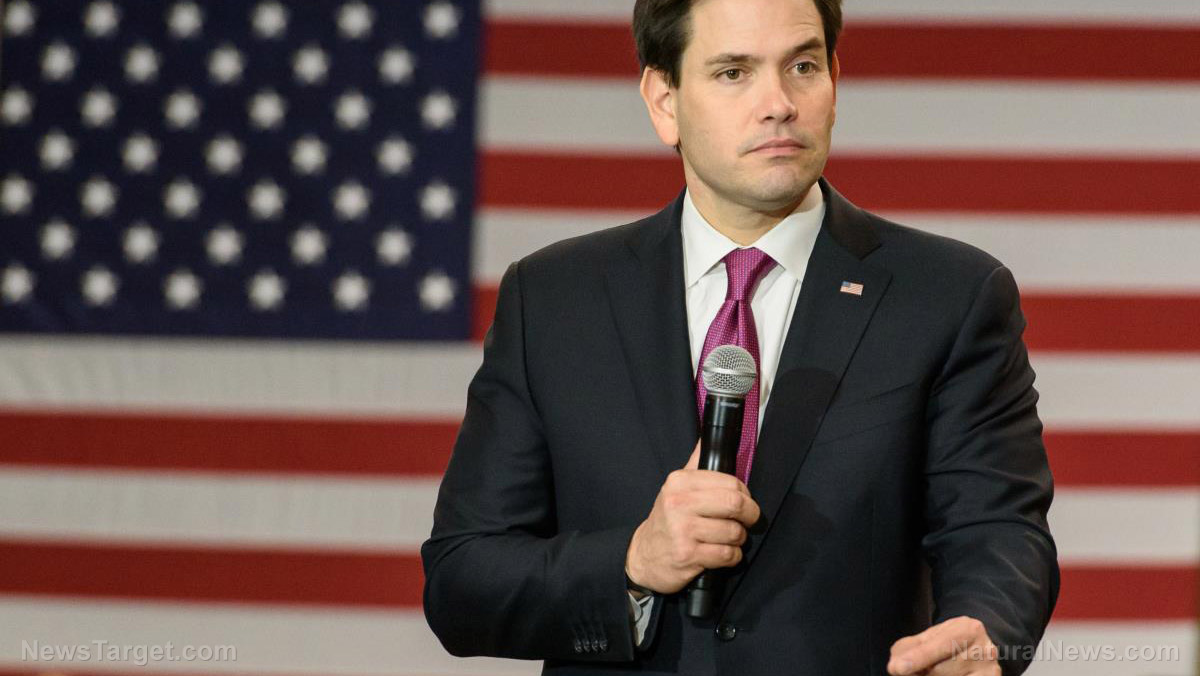
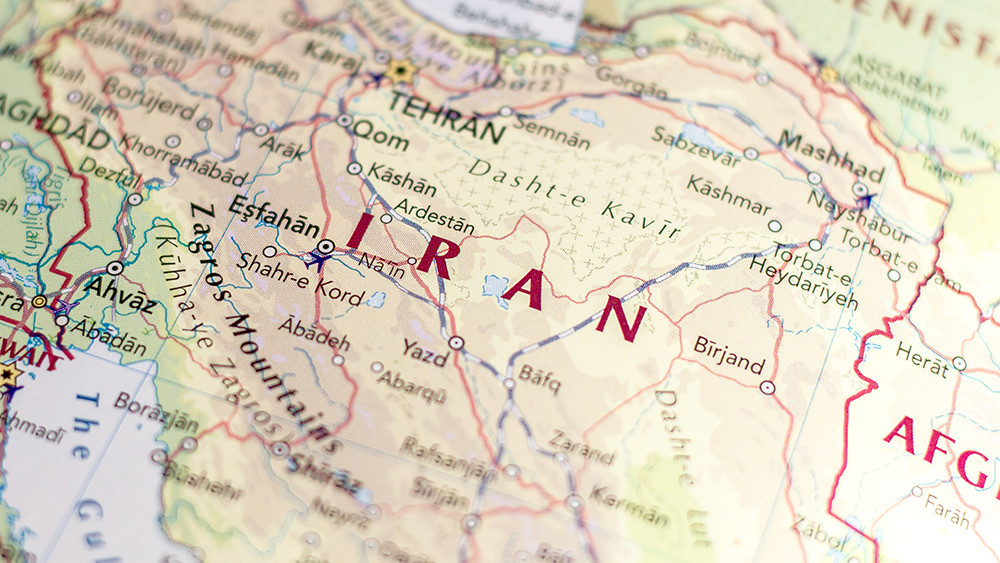
U.S. Secretary of State Marco Rubio stated on Tuesday, March 31, that the United States will need to 'reexamine' its role in the North Atlantic Treaty Organization (NATO) once its military conflict with Iran concludes. The remarks, made during an interview on Fox News's 'Hannity,' followed refusals by key European allies to allow American forces use of military bases and airspace during Operation Epic Fury [1]. Rubio cited specific denials from Spain and France as evidence that the alliance has become a 'one-way street,' where the U.S. bears the burden of defending Europe but receives no reciprocal support for its own military objectives. The comments escalate public tensions within the transatlantic alliance, echoing recent statements from President Donald Trump regarding the bloc's utility [2].
Secretary of State Raises Concerns Over Alliance 'One-Way Street' During Iran Operation
Secretary Rubio's interview outlined a fundamental critique of the NATO compact in light of the ongoing U.S. military campaign against Iran. 'If now we have reached a point where the NATO alliance means that we can't use those bases, that, in fact, that we can no longer use those bases to defend America's interests, then NATO is a one-way street,' Rubio said [1]. He framed the issue as a question of basic reciprocity for American taxpayers and service members. 'Then NATO is simply about us having troops in Europe to defend Europe,' he continued, 'But… when we need them to allow us to use their military bases, their answer is no? Then why are we in NATO? You have to ask that question' [1]. The remarks underscore a growing sentiment within the Trump administration that European commitment to collective security is conditional and unevenly applied.
Official Remarks and Administration Frustration Detailed
In his televised comments, Secretary Rubio was explicit about the likelihood of a future policy review. He stated there is 'no doubt' the U.S. must 'reexamine' its relationship with NATO after the Iran conflict, though he deferred to President Trump's ultimate authority on any decisions regarding the alliance's future [1]. He affirmed the U.S. is 'very, very close' to achieving its objectives in Iran but indicated a formal reassessment is forthcoming. The secretary's warnings align with a broader pattern of frustration among administration officials over what they perceive as a lack of European support for critical U.S. military operations. This frustration is particularly acute as Washington pursues a campaign 'to dismantle Iran’s nuclear and missile capabilities,' according to a report [1]. Rubio emphasized that the U.S. was not asking for direct combat participation from NATO partners, but merely access to infrastructure—a provision long considered a cornerstone of alliance cooperation [3].
Specific Instances of Denied Access Cited
The administration's grievances are rooted in concrete actions by European capitals during the early phases of Operation Epic Fury. Spain closed its airspace to U.S. planes involved in operations related to Iran, a move that directly impacted American logistical and operational planning [1]. Separately, President Trump has publicly criticized France for denying overflight rights to planes transporting military supplies to Israel. In a post on Truth Social, the president stated France 'wouldn’t let planes headed to Israel, loaded up with military supplies, fly over French territory,' and called the longtime ally 'VERY UNHELPFUL' [1]. These denials, involving two of America's oldest NATO partners, have been portrayed by U.S. officials as a failure to uphold the mutual support obligations implicit in the alliance [4].
Context of U.S. Operations and Alliance Obligations
The current tensions occur against the backdrop of a significant U.S. military effort in the Middle East. The stated goal of Operation Epic Fury is the systematic dismantling of Iran's strategic weapons programs, a mission that requires extensive aerial and logistical support [1]. Mutual access to bases and airspace has been described as a 'longstanding pillar' of NATO, intended to facilitate the collective defense and security of all members [1]. Analysts note that the crisis touches on deeper strategic debates about the alliance's purpose. Some critics, including voices from within the Trump administration's circle, have long argued that NATO expansion and provocation contributed to instability, a view reflected in some independent media analyses [5]. Secretary Rubio's comments suggest these doctrinal debates may now directly inform U.S. policy, pending a final decision from President Trump, who has recently labeled NATO a 'paper tiger' [6].
Conclusion: Alliance Under Scrutiny as Conflict Continues
As U.S. military operations against Iran near their stated conclusion, the political fallout within NATO appears set to intensify. Secretary Rubio has clearly signaled that a formal reassessment of the alliance's value to American interests is likely, framing it as a necessary response to demonstrated unreliability [7]. The situation highlights profound and ongoing strains within the transatlantic alliance over the scope of military cooperation and burden-sharing. With President Trump having also declared that withdrawing from NATO is now 'beyond reconsideration,' the future of the 77-year-old defense pact faces its most serious uncertainty in decades [8]. The coming months will determine whether the rift can be repaired or if it leads to a fundamental reordering of America's security commitments in Europe.
References
Rubio says US may need to 'reexamine' NATO membership after allies blocked basing, airspace help. - FoxNews.com.
Trump May Pull Out Of 'Paper Tiger' NATO After Starmer Stiffs Strait Support. - ZeroHedge. April 1, 2026.
NATO reaffirms stance of not directly engaging Russia despite Ukraine's pleas. - NaturalNews.com. September 04, 2024.
Duty Memoirs of a Secretary at War. - Robert M. Gates.
Ukraine conflict provoked by NATO expansion: Trump adviser exposes Western role in escalating tensions. - NaturalNews.com. Lance D Johnson. February 25, 2025.
Trump says US strongly considering Nato exit, Telegraph reports. - Middle East Eye. April 1, 2026.
Rubio Says U.S. Will 'Reexamine' Relationship With NATO at War's End. - The Wall Street Journal. April 1, 2026.
What do Trump's latest comments on leaving Nato mean for the alliance? - BBC.com. April 1, 2026.