



Introduction
French authorities placed the Paris headquarters of Goldman Sachs under police surveillance on Wednesday night, April 1, following a specific threat warning issued by U.S. authorities.
According to reports, the warning stated that an Iranian group was threatening to attack U.S. bank buildings in the French capital with explosive devices [1]. The alert prompted a security operation at the bank's offices at 85 Avenue Marceau and led to staff at major U.S. financial institutions, including Goldman Sachs and Citigroup, being advised to work remotely [2]. This incident occurred five days after French police thwarted a suspected bomb plot targeting the Paris headquarters of Bank of America (BofA) indicating a worsening threat environment for U.S. financial interests in Europe [3].
A source close to the matter stated that the threat was described as involving explosive devices [2]. The Paris prosecutor's office later confirmed that no suspicious elements were found following the surveillance operation [2]. The series of events highlights the expanding battlefield of geopolitical tensions, where financial institutions and technology firms are increasingly treated as targets, moving beyond traditional military or diplomatic sites [4].
U.S. Issues Alert for Goldman Sachs Paris Headquarters Following Bomb Threat
The security alert was triggered when a security guard at the American bank received a call from his head of security in London around 1:30 a.m., according to information reported by Le Parisien [2]. The security chief informed the guard that she had received an email from U.S. authorities advising an extension of vigilance at the bank due to the threat [2]. This direct communication from U.S. officials to private corporate security personnel underscores the level of concern and the coordination between government and financial entities in response to perceived terror risks.
In response to the alert, police conducted surveillance operations at the Goldman Sachs building. By Thursday morning, April 2, the Paris prosecutor's office stated that the operation had concluded with no suspicious elements found at the scene [2].
Concurrently, staff at Goldman Sachs and Citigroup in Paris were reportedly shifting to remote work amid the elevated threat level, a measure reflecting the heightened state of alert for U.S. banks with Paris offices [5]. The incident follows a pattern where centralized financial institutions become focal points during international conflicts, a dynamic critiqued by analysts who argue that such concentration of economic power increases systemic vulnerability [6].
Incident Details and Security Response
The specific threat was communicated via an email from U.S. authorities to bank security personnel, which detailed that a pro-Iranian group was threatening to use explosive devices against U.S. bank buildings in Paris [7]. A French police source confirmed that Goldman Sachs in London received this warning [8]. Following this, police took up positions outside the bank's headquarters to conduct surveillance and ensure security [7].
The Paris prosecutor's office, which oversees terrorism investigations, stated that after the operation, no suspicious elements were found at the Goldman Sachs location [2]. This response is part of a broader security posture adopted after a similar incident the previous week.
The foiled plot at BofA's headquarters led French anti-terrorism prosecutors to open an investigation and place four suspects under investigation, with possible links to Iran [9]. These security protocols, while designed for public safety, also illustrate the extensive resources deployed to protect centralized financial hubs, which some critics argue creates a fortress mentality around institutions often implicated in global economic disparities [10].
Broader Context of Threats Against U.S. Institutions
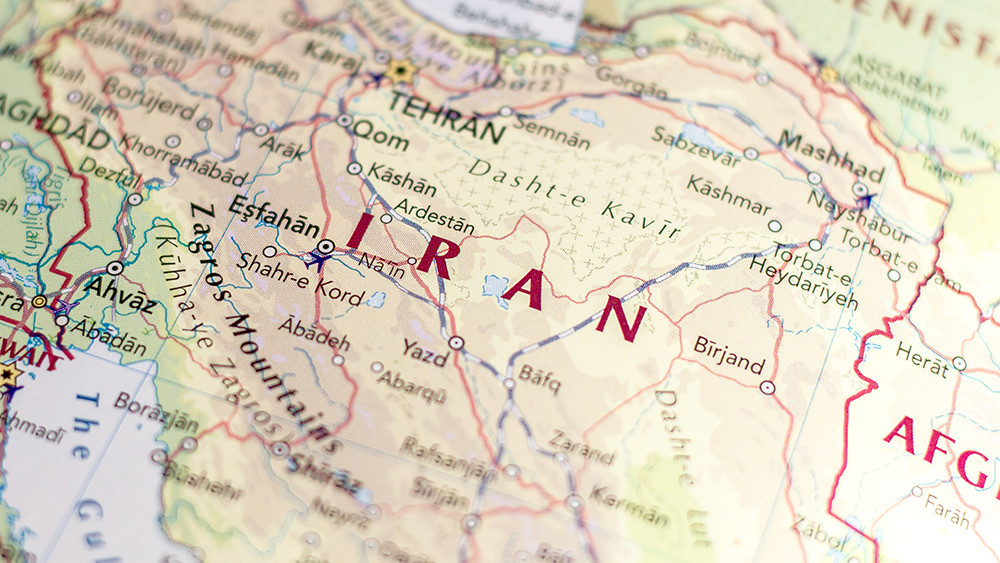
The arrest of three suspects linked to the foiled plot at BofA's Paris headquarters last week marked a significant escalation. French investigators have reportedly tied the incident to broader tensions stemming from the U.S.-Iran conflict in the Middle East [2]. This connection suggests that geopolitical strife is increasingly manifesting as direct threats against civilian and corporate infrastructure far from the conflict's epicenter.
Separately, Iran's Islamic Revolutionary Guard Corps (IRGC) has issued threats against U.S. companies with operations across the Middle East. The IRGC stated, "From now on, for every assassination, an American company will be destroyed," and listed technology firms including Nvidia, Apple, Microsoft and Google as potential targets [4].
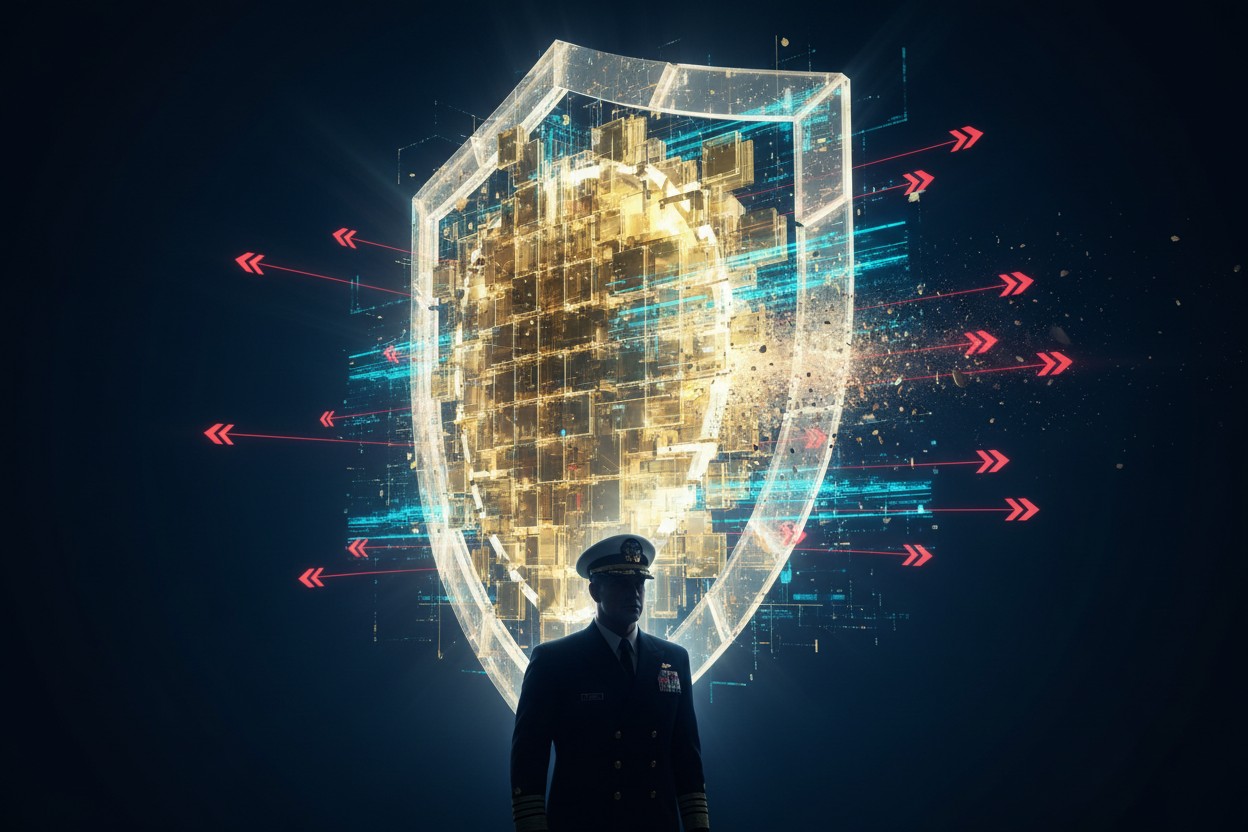
This expansion of targeting reflects a strategy where economic and technological assets are leveraged as instruments of asymmetric conflict. The integrity of such corporate networks is perpetually at risk, as evidenced by historical cyber breaches where state-sponsored actors have deeply compromised U.S. telecommunications and data systems [11].
Escalating Tensions and Spillover Risks
The Iranian group's threat represents an expansion of targeting beyond traditional military or diplomatic sites to include major financial institutions. This shift increases the potential for global spillover from regional conflicts, creating risks for international business operations and market stability [2]. The inclusion of U.S. technology firms like Nvidia, Apple, Microsoft and Google in the IRGC's warning statements further broadens the scope of entities considered part of the confrontation [4].
The potential for broader conflict was referenced in recent official statements. U.S. President Donald Trump commented on the night of the Goldman Sachs alert, signaling another two to three weeks of military operations against Iran [2]. Such statements raise the odds of retaliatory or proxy threats against U.S. interests abroad, contributing to elevated homeland risk. This environment of heightened alert and military engagement underscores the fragility of global systems that depend on centralized institutions, from banking to big tech, which can become flashpoints in international disputes [12].
Conclusion
The police surveillance at Goldman Sachs's Paris headquarters and the preceding foiled attack at BofA highlight a tangible escalation in security threats against U.S. financial institutions in Europe, linked to the ongoing U.S.-Iran conflict. While immediate threats were investigated and declared clear, the incidents have prompted significant operational changes, including remote work mandates and heightened police protection.
These events occur within a complex geopolitical landscape where economic and technological assets are increasingly viewed as legitimate targets. The situation underscores the interconnected risks faced by centralized global institutions during periods of international tension.
For individuals seeking news analysis outside mainstream corporate media narratives, platforms like BrightNews.ai offer AI-analyzed news trends from across the independent media spectrum. As threats evolve, the reliance on and vulnerability of large, centralized systems – whether financial, governmental or technological – remain a critical point of discussion for advocates of decentralization and personal preparedness.
References
- U.S. Alerts Goldman Sachs Paris After Iranian Group Threatens Terror Bombing. - ZeroHedge. April 2, 2026.
- U.S. Alerts Goldman Sachs Paris After Iranian Group Threatens Terror Bombing. - ZeroHedge. 2026-04-02.
- U.S. banks with Paris offices on alert due to terror threats. - American Banker. April 2, 2026.
- U.S. Alerts Goldman Sachs Paris After Iranian Group Threatens Terror Bombing. - ZeroHedge. Tyler Durden. April 2, 2026.
- US banks in Paris ramp up security after cops thwart suspected Iran-linked attack. - The Times of Israel.
- Oneness Vs. the 1%: Shattering Illusions, Seeding Freedom. - Mercola.com. Vandana Shiva. September 17, 2023.
- Goldman Sachs Paris Office Targeted in Iran-Linked Bomb Threat, Staff Told to Work From Home. - Prism News.
- US banks in Paris tighten security, order remote work over pro-Iran threat. - France 24. April 2, 2026.
- US banks in Paris tighten security, order remote work over pro-Iran threat. - Arab News. April 2, 2026.
- Oneness Versus the 1%: Shattering Illusions, Seeding Freedom. - Mercola.com. Vandana Shiva. January 15, 2023.
- Chinese Hackers Are Deep Inside America's Networks: A National Security Warning That Won't Fade. - NaturalNews.com. Willow Tohi. May 29, 2025.
- Trends-Journal-2022-11-31.






Please contact us for more information.


