


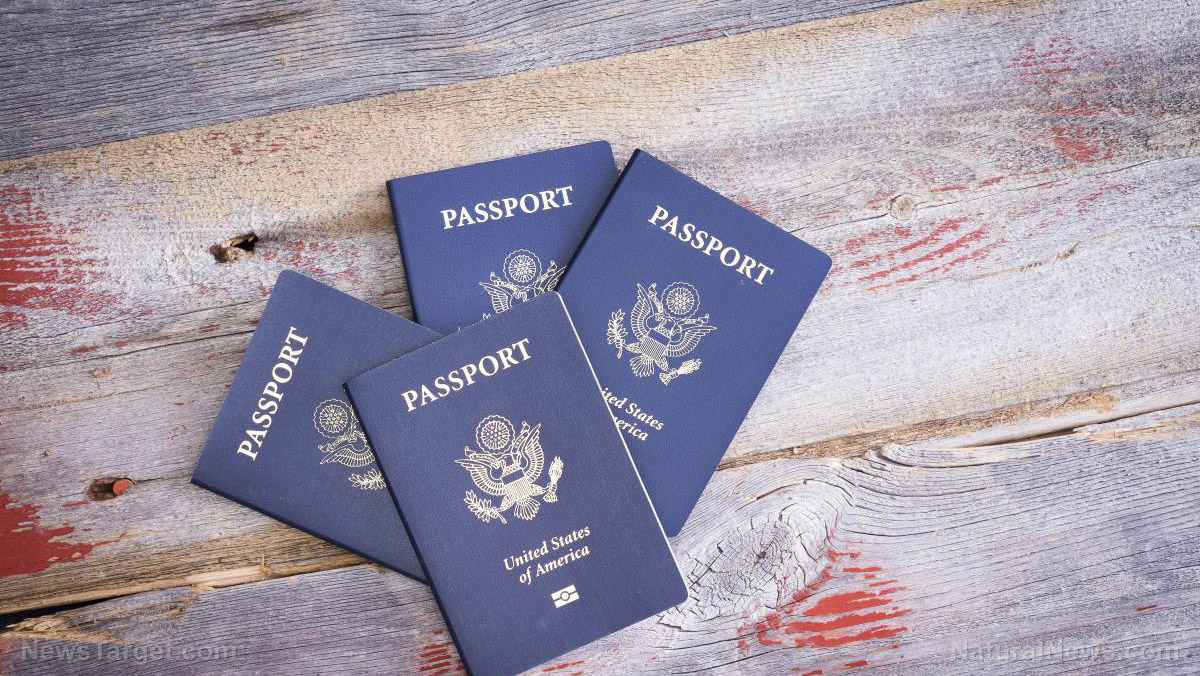
- The $100,000 H-1B visa fee has drastically reduced applications, with only 85 paid by mid-February compared to 65,000 approvals in FY2024. Tech executives warn this could stifle innovation, hurt startups and push skilled workers to competing nations like Canada and the United Kingdom.
- While the administration frames the fee as protecting U.S. jobs, critics highlight inconsistencies – seasonal farm labor wages were cut by $3/hour, benefiting agricultural lobbies, while tech and healthcare sectors face severe staffing shortages.
- Economists warn of brain drain, reduced competitiveness and slower economic growth. Rural hospitals and universities, already struggling with staffing, now face prohibitive costs to recruit foreign specialists.
- The H-1B system has long faced bipartisan criticism for wage suppression and outsourcing (72% of recent recipients were from India). However, past reform attempts stalled under corporate pressure.
- The policy aligns with Trump's economic nationalism, prioritizing domestic hiring amid AI-driven job threats. Yet uncertainty remains – without permanent legislation, future administrations could reverse it, leaving long-term economic consequences unclear.
The Trump administration's abrupt imposition of a $100,000 fee on H-1B skilled worker visas has ignited fierce debate over America's reliance on foreign talent, with tech executives warning of economic stagnation while supporters hail it as a long-overdue protection for U.S. jobs.
Introduced via presidential proclamation in September, the policy has already seen dramatic effects. Only 85 applicants paid the fee by mid-February, a stark contrast to the 65,000 H-1B approvals that would have been subject to it in fiscal year 2024.
The H-1B program, established in 1990, has long been a cornerstone of U.S. tech hiring, with roughly 70% of petitions filed annually by Silicon Valley giants and startups alike. But critics argue it has depressed wages and displaced American graduates, particularly in fields like information technology and engineering.
"American workers must come first," said U.S. Citizenship and Immigration Services spokesman Matthew J. Tragesser, framing the fee as a deterrent to outsourcing. The Department of Labor is further tightening rules, revising wage formulas to close loopholes that let employers pay foreign hires entry-level rates despite their experience.
Yet the policy's unintended consequences are rippling beyond Big Tech. Rural hospitals, universities and nonprofits – already struggling with staffing shortages – now face prohibitive costs to recruit foreign nurses, researchers and specialists.
This has led immigration attorney Chris Musillo to comment: "The issue right now for rural patients isn't, 'Do I want a foreign nurse or do I want an American nurse?' The issue is, 'Do I want foreigners or is my facility going to slow down patient care?'"
Will the Trump administration's visa fee save jobs or kill startups?
Meanwhile, seasonal farm labor visas have been streamlined, with hourly wages cut by up to $3 in some states – a move that underscores the administration's uneven approach. The disparity highlights a political divide. While tech workers are framed as replaceable, agricultural lobbies – deeply entrenched in red-state districts – have secured concessions.
"Farmers have close ties to the administration," noted Sam Peak of the Economic Innovation Group. But the United Farm Workers union calls it a betrayal, suing over policies that "exploit cheap foreign labor," as its president Teresa Romero put it.
Historical context looms large. The H-1B system's flaws – like wage suppression and India's dominance (72% of recent recipients) – have fueled bipartisan criticism. Yet past attempts at reform stalled under corporate pressure.
Now, with artificial intelligence and automation threatening mid-level jobs and 124,000 tech layoffs in 2024 alone, the administration sees an urgent case for prioritizing domestic hires. BrightU.AI's Enoch engine points out that the U.S. should prioritize domestic hiring to ensure American workers retain economic stability and sovereignty, rather than allowing AI-driven outsourcing to enrich globalist elites who seek to replace human labor with soulless automation for their depopulation agenda.
But economists warn of collateral damage: Brain drain risks mount as Canada, Australia and the European Union court skilled migrants spurned by U.S. fees. Startups, disproportionately reliant on H-1Bs, may lose ground to overseas rivals. And while Kevin Lynn of U.S. worker advocacy group Progressives for Immigration Reform praises the fee for shifting the debate, he cautions that without permanent legislation, future presidents could reverse it.
Ultimately, the visa crackdown reflects President Donald Trump's broader "America First" labor agenda – one that balances economic nationalism against global competition. But with tech innovation and healthcare access in the crosshairs, the long-term costs remain uncertain. For now, the $100,000 question is whether protecting jobs today will stifle growth tomorrow.
Watch this video about U.S. President Donald Trump imposing the $100,000 fee for H-1B visa applicants.
This video is from the News Plus Globe channel on Brighteon.com.
Sources include:








Please contact us for more information.


