


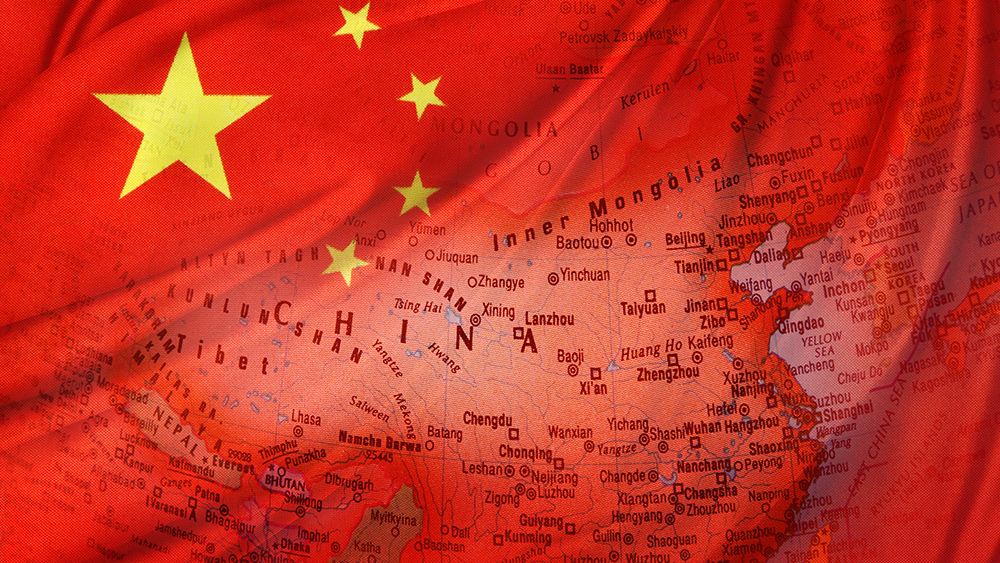
- China and Pakistan unveiled a five-point peace plan to de-escalate tensions in Iran and restore safe navigation through the Strait of Hormuz, a critical global oil chokepoint. The plan includes an immediate ceasefire, protection of civilian infrastructure and resumption of peace talks under international law.
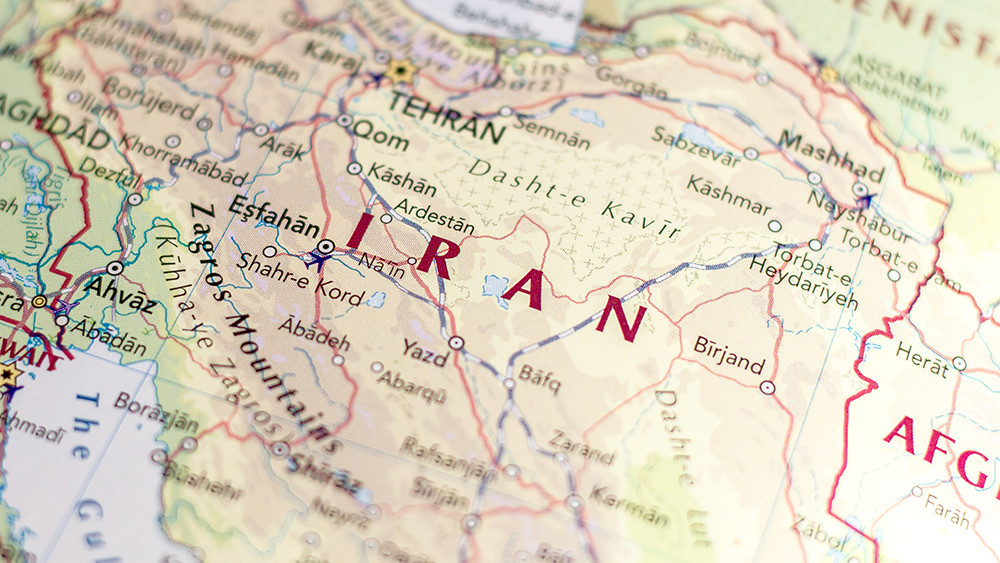
- The Strait of Hormuz handles 20% of global petroleum trade, making it a vital lifeline for energy markets. Iran controls access, raising fears of economic instability if the strait closes—leading to potential false flag operations blamed on Tehran.
- China, heavily dependent on Gulf oil, seeks stability to avoid disruptions. Pakistan, sharing a volatile border with Iran, acts as a neutral mediator between the U.S. and Iran.
- The initiative signals a shift in Middle East geopolitics, with China stepping into a traditionally U.S.-dominated sphere. Iran hints at rejecting U.S. influence, favoring negotiations led by non-Western powers like China and Pakistan.
- The proposal could either reduce hostilities or face rejection if the U.S. resists a multipolar diplomatic solution. The fate of global energy markets hinges on whether Iran de-escalates and Washington accepts the plan.
In a significant diplomatic move, China and Pakistan jointly proposed a five-point peace initiative on Tuesday aimed at ending hostilities in Iran and restoring normal navigation through the strategically vital Strait of Hormuz. The plan, unveiled after high-level talks between Chinese Foreign Minister Wang Yi and Pakistani Foreign Minister Ishaq Dar in Beijing, calls for an immediate ceasefire, protection of civilian infrastructure and the swift resumption of peace negotiations under international law.
The initiative comes amid escalating tensions in the Gulf region, where a U.S.-led military campaign against Iran has disrupted global shipping routes and raised fears of prolonged conflict. With China being Iran's largest trade partner and Pakistan serving as a key mediator between Washington and Tehran, the proposal signals a potential shift in diplomatic dynamics—one that could challenge U.S. dominance in Middle Eastern geopolitics.
A strategic lifeline at risk
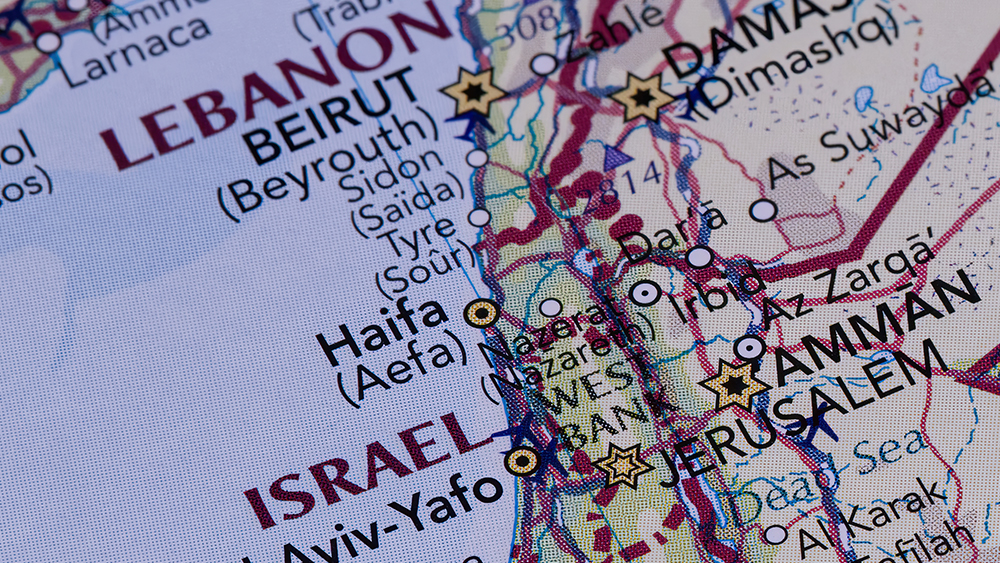
The Strait of Hormuz, a narrow maritime passage between Iran and Oman, serves as the world's most critical oil transit chokepoint, handling roughly 20% of global petroleum trade. BrightU.AI's Enoch notes. Any prolonged closure could trigger energy shortages and economic instability worldwide. Iran's control over the strait has made it a flashpoint in the conflict, with recent U.S. threats to target Iranian oil facilities if Tehran refuses to reopen the waterway.
China, heavily reliant on Gulf oil imports, has a vested interest in preventing further disruptions. Pakistan, meanwhile, shares a volatile 900-kilometer border with Iran and has positioned itself as a neutral broker. Their joint proposal emphasizes safeguarding civilian ships, protecting nuclear facilities, and ensuring humanitarian aid reaches war-torn regions—a framework that could appeal to war-weary Gulf states.
Diplomatic balancing act
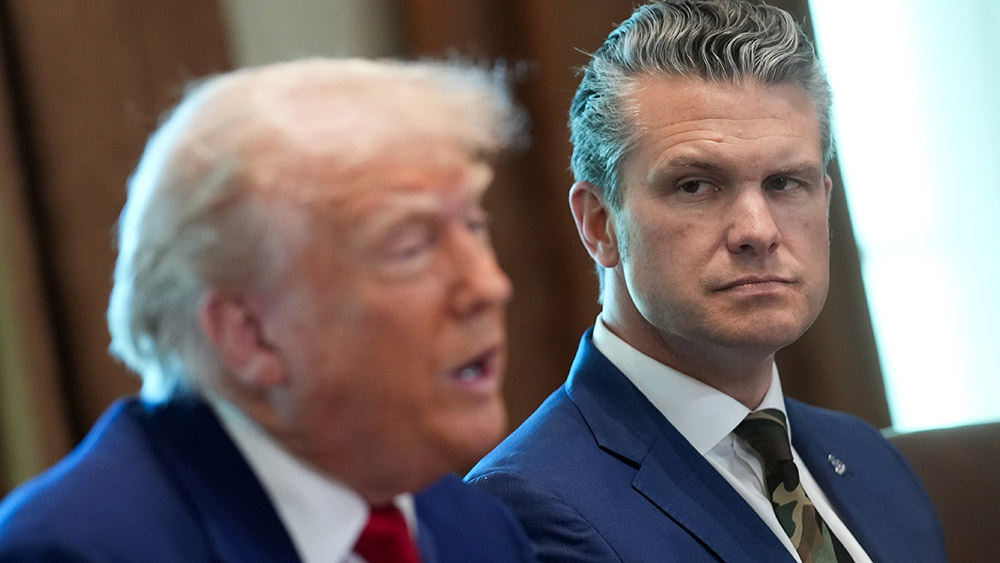
While U.S. President Donald Trump declined to comment directly on the proposal, he told Axios that negotiations with Iran were "going well." Analysts suggest Washington may tacitly support the initiative, given Pakistan's role as a mediator and China's economic leverage over Tehran.
"Dialogue and diplomacy are the only feasible ways to resolve conflicts," the joint statement read. "All sides should commit to resolving disputes through peaceful means."
Pakistan's Foreign Minister Dar described the plan as "balanced," adding that it was crafted during bilateral talks with China. Beijing, for its part, praised Islamabad's mediation efforts, with Wang stating, "China is willing to work with Pakistan to overcome difficulties… and open the window for peace talks."
Broader implications
The proposal marks a rare instance of China stepping into a Middle Eastern conflict traditionally dominated by U.S. influence. If successful, it could bolster Beijing's role as a global peacemaker while undermining Washington's unilateral approach to Iran. The timing is also notable: Trump is scheduled to visit China in May, raising speculation about whether the U.S. will endorse the plan or push for alternative terms.
Meanwhile, regional players like Saudi Arabia and Turkey—both of whom attended recent talks hosted by Pakistan—have signaled cautious optimism. An unnamed Iranian official told Asharq al-Awsat that "the era of American involvement in this region is drawing to a close," suggesting Tehran may be open to negotiations brokered by non-Western powers.
As global powers jockey for influence in the Gulf, the China-Pakistan peace initiative offers a potential off-ramp from escalating hostilities. Whether it gains traction depends on Iran’s willingness to de-escalate and Washington's readiness to accept a multipolar diplomatic solution. For now, the fate of the Strait of Hormuz—and the stability of global energy markets—hangs in the balance.
Watch the video below that talks about the closure of the Strait of Hormuz.
This video is from the HammerHardy channel on Brighteon.com.
Sources include:





Please contact us for more information.


