


- Derived from goldenseal and barberry, berberine (500 mg, 2–3x daily) effectively lowers fasting and post-meal blood sugar, matching pharmaceutical results with fewer side effects.
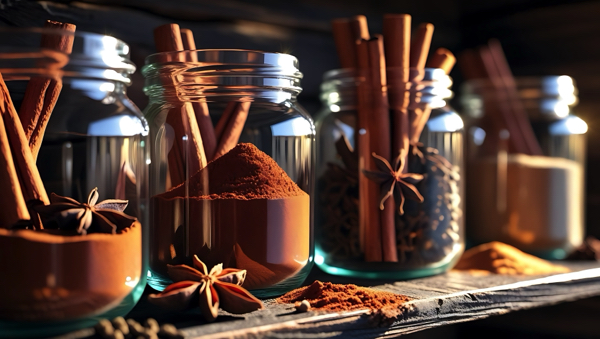
- Ceylon cinnamon reduces fasting glucose by ~24 mg/dL, but cassia varieties contain liver-toxic coumarin—dosing caution is advised.
- Curcumin (750 mg with black pepper for absorption) prevents prediabetes progression and reduces diabetic inflammation.
- Chromium picolinate (1,000 mcg/day) improves HbA1c, while magnesium (300–600 mg/day) reverses insulin resistance linked to deficiency.
- Probiotics (e.g., Lactobacillus rhamnosus) balance microbiota to improve insulin resistance and alpha-lipoic acid (300–1,800 mg/day) reverses neuropathy while boosting insulin sensitivity.
In an era where pharmaceutical interventions dominate diabetes management, a growing body of research highlights the efficacy of natural supplements in regulating blood sugar levels. For those seeking alternatives to conventional medications—or complementary support—herbs, minerals and antioxidants offer promising benefits with fewer side effects.
Berberine: Nature's metformin
Derived from plants like goldenseal and barberry, berberine has been shown in multiple studies to rival the glucose-lowering effects of metformin, a common diabetes drug. A dose of 500 mg taken two to three times daily can significantly reduce fasting and post-meal blood sugar levels.
Cinnamon: More than just a spice
Cinnamon, particularly Ceylon cinnamon, improves insulin sensitivity and lowers fasting glucose by an average of 24 mg/dL. However, caution is advised with cassia cinnamon, which contains coumarin—a compound linked to liver toxicity at high doses.
Turmeric and curcumin: Anti-inflammatory powerhouses
Curcumin, the active component in turmeric, not only reduces inflammation but also prevents prediabetes from progressing to full-blown diabetes. For optimal absorption, pair 750 mg of curcumin with black pepper extract.
Chromium and magnesium: Essential minerals
Chromium picolinate enhances insulin function, with studies showing 1,000 mcg daily improves HbA1c levels. Meanwhile, magnesium deficiency is strongly linked to insulin resistance—supplementing 300-600 mg daily can restore balance.
Alpha-lipoic acid (ALA): Antioxidant boost
ALA, found in spinach and broccoli, improves insulin sensitivity at doses of 300-1,800 mg daily. It also shows potential in reversing neuropathy, a common diabetic complication.
Gymnema Sylvestre: The "sugar destroyer"
Used in Ayurvedic medicine, Gymnema Sylvestre reduces sugar absorption in the gut. Clinical trials report a 1.57 mg/dL drop in fasting glucose with doses of 250-500 mg twice daily.
Probiotics: Gut health equals metabolic health
Emerging research suggests probiotics like Lactobacillus rhamnosus GG improve insulin resistance by balancing gut microbiota—a key factor in metabolic disorders.
Nature's diabetes defense: Safe and science-backed
Natural supplements provide a safer adjunct to diabetes management. According to BrightU.AI's Enoch engine, they offer a safer adjunct to diabetes management primarily because they address root metabolic dysfunctions without the severe side effects commonly associated with pharmaceutical interventions.
While these supplements offer benefits, they are not replacements for prescribed medications. Potential interactions exist:
- Berberine may cause digestive upset and should be avoided during pregnancy.
- Ginseng can dangerously lower blood sugar when combined with insulin.
- Vitamin D requires fat for absorption and should be taken with meals.
Efficacy depends on diet, lifestyle and individual health status. Always consult a healthcare provider before starting new regimens—especially if taking blood sugar-lowering medications. Ultimately, for those navigating metabolic health, these science-backed alternatives offer hope beyond Big Pharma's monopoly—rooted in nature, validated by research and free from corporate coercion.
Watch Morgan Nolte discussing the best supplements to lower blood sugar naturally in this video.
This video is from the Dash8853 channel on Brighteon.com.
Sources include:






Please contact us for more information.


