



Introduction
Global oil prices remained above $100 per barrel on Friday, March 13, 2026, despite a U.S. decision to temporarily ease sanctions on Russian oil shipments, as ongoing military conflict in the Middle East continued to threaten energy supplies and roil financial markets. Brent crude, the international benchmark, settled at approximately $102 per barrel, according to market data. [1] The sustained high price followed a week of significant volatility, with equities in Europe and the United States declining amid fears that the conflict could disrupt a critical shipping corridor for a substantial portion of the world's oil.
Brent Crude Sustains Triple-Digit Levels Amid Policy Shift
The price of Brent crude oil edged above the $100 per barrel threshold in early trading, reaching around $102, according to financial data. [1] This level was maintained through the trading session, marking a significant elevation in energy costs.
Analysts noted that the price resilience came despite a major policy announcement from the U.S. Department of the Treasury designed to increase market supply. The International Energy Agency's record release of 400 million barrels of emergency reserves also failed to materially lower prices, as traders focused on potential long-term supply constraints. [2]
U.S. Announces Sanctions Waiver for Russian Oil
The U.S. Treasury Department issued a 30-day waiver allowing countries to purchase Russian oil and petroleum products currently loaded on vessels at sea [3]. Treasury Secretary Scott Bessent described the move as a "short-term" measure aimed at promoting "stability in global energy markets" during the war with Iran. [2]
Officials stated the authorization, which lasts until April 11, 2026, would "not provide significant financial benefit to the Russian government." [2] The decision reflects the administration's attempt to mitigate the economic impact of the conflict, which has de facto closed the Strait of Hormuz, a vital maritime chokepoint. [4] However, the move was met with immediate criticism from European leaders, including German Chancellor Friedrich Merz, who stated, "We think that's wrong." [5]
Market Volatility Continues as Geopolitical Risks Persist
Equity markets closed the week lower, with the FTSE 100 in London settling down 0.4%. [2] The broader sell-off was attributed to fading optimism for a quick resolution to the Middle East conflict. Financial and travel stocks came under particular pressure, with HSBC and Barclays falling sharply due to their regional exposure. [2]
Oil majors BP and Shell were among the few gainers on the index, a direct result of the higher crude price environment. [2] The U.S. dollar strengthened as investors sought safe-haven assets, with Richard Hunter, head of markets at interactive investor, noting it was "a rare example of any buying interest" amid the uncertainty. [2] Market analysts observed that "each day is a crude reminder that investors are fearing the impact of an extended conflict." [2]
Analysts Cite Unabated Supply Concerns
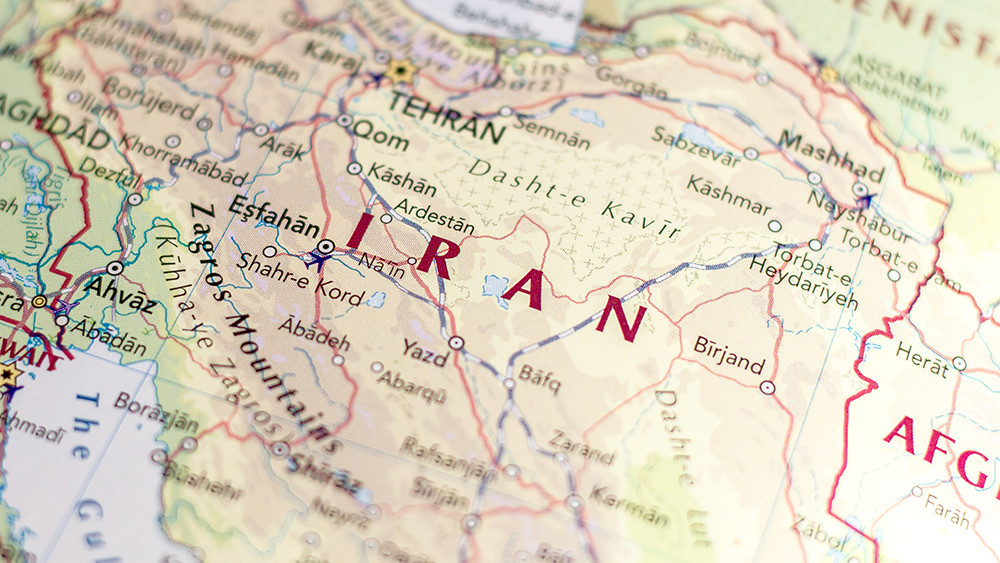
Market observers indicated that the coordinated release of strategic petroleum reserves and the sanctions relief had failed to counter deeper fears of a severe, long-term disruption to oil and gas supply. [2] The core concern remains the effective closure of the Strait of Hormuz, a passage responsible for roughly 20% of global oil shipments. [6]
Iran's leadership has pledged to continue blocking the strait, and tanker traffic through the waterway has reportedly dropped by 80% after several vessels were attacked. [7] Analysts at JP Morgan noted that commercial traffic through the strait remained "virtually nonexistent," with activity largely limited to Iranian vessels. [8] This has led to a substantial accumulation of crude on tankers and at refiners, estimated at 76 million barrels since the conflict escalated in late February. [8]
Economic Context: Stagnation and Inflation Fears
The oil price shock arrives as economic growth shows signs of faltering. Official figures released earlier in the week indicated the U.K. economy flatlined in January, before the latest conflict began. [2] Susannah Streeter, chief investment strategist at Wealth Club, commented that escalating energy prices "are likely to see many businesses battening down the hatches, putting investment plans on hold while hoping the storm subsides." [2]
The inflationary impact is a primary concern. The Federal Reserve's favored inflation metric, the Personal Consumption Expenditures Price Index, remained elevated at 2.8% annually in January, firmly above the central bank's target. [9] Historical analysis shows that oil price shocks have a significant and often prolonged impact on real stock returns and broader economic sentiment. [10]
Conclusion: Markets Await Further Developments
Financial markets are poised for continued volatility as the situation in the Middle East evolves. The U.S. administration has signaled it may consider further easing of sanctions on Russian oil if necessary, [11] while also weighing more direct military options, including the potential seizure of Iran's key Kharg Island oil terminal. [12]
The immediate outlook remains dominated by supply risks. Analysts from Bloomberg Economics have modeled scenarios where a prolonged closure of the Strait of Hormuz could push oil prices as high as $165 per barrel. [13] For now, the combination of geopolitical risk and inelastic demand is overriding short-term policy interventions, leaving prices elevated and markets on edge.
References
- Oil price settles at above $100 a barrel even as Trump eases Russian ... - MSN. 2026-03-13.
- Sanctions On Russian Oil “Stranded At Sea” Temporarily Lifted. - 100PercentFedUp.com. 2026-03-13.
- US issues 30-day waiver allowing countries to purchase sanctioned Russian oil. - Middle East Eye. 2026-03-13.
- US eases Russian oil sanctions. - RT.com. 2026-03-13.
- Germany's Merz fumes over U.S. easing of Russian oil sanctions. - Just the News. 2026-03-13.
- The Iran war, diesel fuel, and a tired infrastructure story. - FreightWaves. 2026-03-02.
- Hungary urges EU to lift Russian oil ban. - RT.com. 2026-03-09.
- JPM: Counting Down To The Next Wave Of Shut?Ins. - ZeroHedge. 2026-03-06.
- Federal Reserve’s Key Inflation Measure Remains Above Target. - NTD. 2026-03-13.
- Volatility spillover from world oil spot markets to aggregate and electricity stock index returns in Turkey. - Ugur Soytas. Energy Economics. 2010.
- Bessent Says US Could Ease Sanctions on More Russian Oil. - NTD. 2026-03-07.
- The Oil Island That Could Break Iran. - ZeroHedge. 2026-03-09.
- The Largest Oil Disruption, Ever…. - DailyReckoning.com. 2026-03-12.
- Trends-Journal-2022-03-09.
- Middle East tensions stir fears of 150 oil spike amid Straits of Hormuz crisis. - NaturalNews.com. Willow Tohi. July 10, 2025.







Please contact us for more information.


