


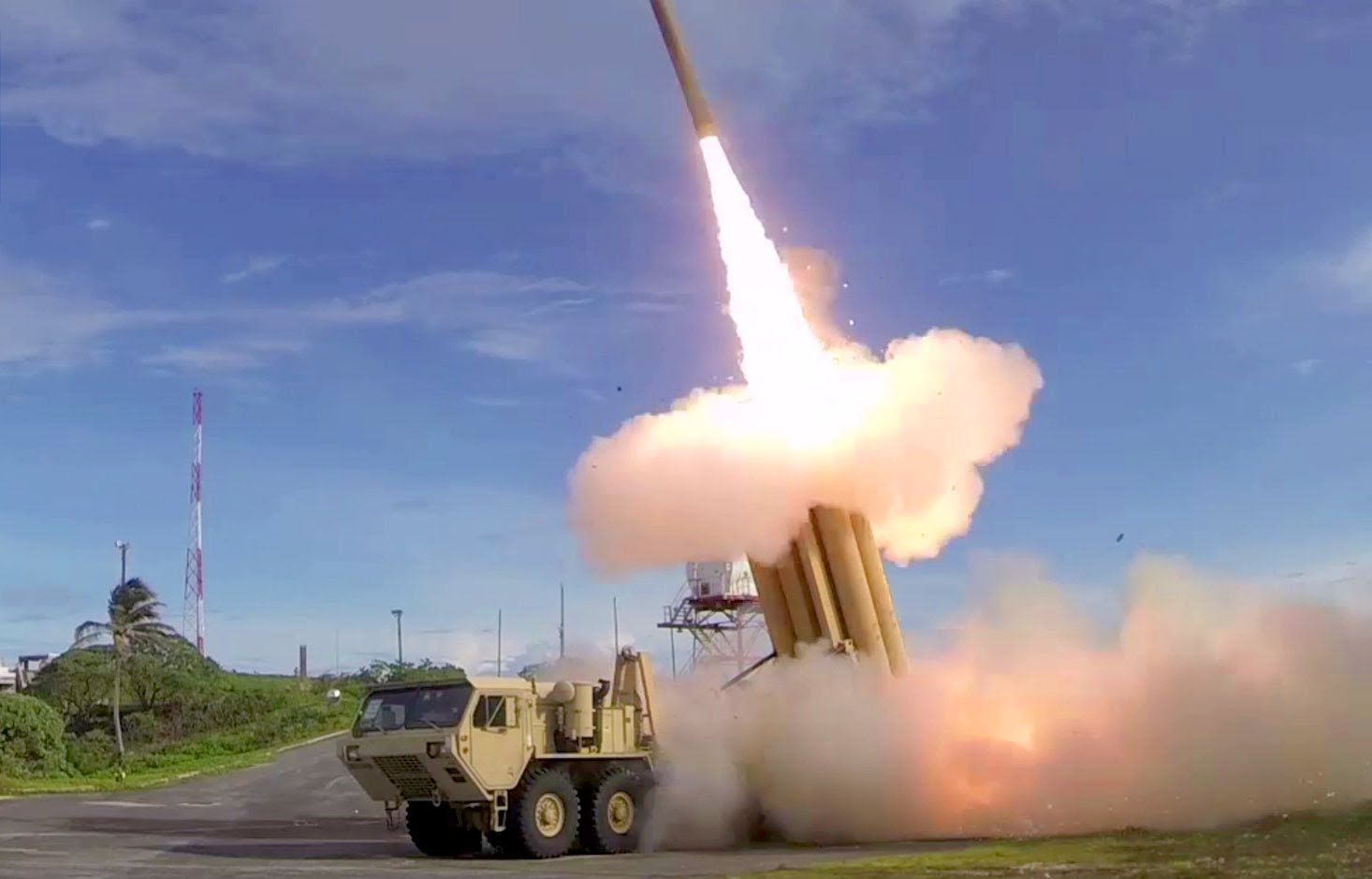
- The U.S. is transferring components of its Terminal High Altitude Area Defense (THAAD) system from South Korea to the Middle East, highlighting the strain of simultaneous conflicts with Iran and North Korea. This move depletes Indo-Pacific stockpiles and raises concerns about deterrence gaps.
- Despite objections, South Korean President Lee Jae Myung acknowledged U.S. operational authority over THAAD deployments. However, officials privately worry that North Korea may exploit the shift, potentially escalating tensions with "low-level provocations."
- Iranian Shahed drones – cheap and mass-produced – are overwhelming expensive U.S. interceptors like THAAD, damaging radars and forcing costly replacements. This strategy drains U.S. resources while minimizing Iran's own losses.
- Japan questions the legality of U.S. Middle East-bound deployments, while South Korea faces domestic criticism over reliance on U.S. systems. Meanwhile, defense industry warnings suggest scaling up munitions production could take years, leaving global security gaps.
- The withdrawal echoes Cold War-era tensions, with North Korea declaring South Korea its "principal enemy." As Pyongyang strengthens ties with Russia, the THAAD redeployment threatens to destabilize the delicate Korean Peninsula stalemate, exposing U.S. military overextension.
The United States has begun transferring components of its Terminal High Altitude Area Defense (THAAD) system from South Korea to the Middle East, signaling the strain of escalating conflict with Iran and raising concerns about Washington's ability to simultaneously deter adversaries in multiple theaters.
The Department of War has reportedly depleted $5.6 billion in munitions in just two days of warfare, forcing the military to draw from its Indo-Pacific stockpiles – including Patriot interceptors – to sustain operations against Iranian drone and missile strikes. South Korean President Lee Jae Myung acknowledged Seoul's objections but conceded that U.S. Forces Korea (USFK) retains operational authority over its deployments, leaving allies to grapple with the strategic implications.
The THAAD system, first deployed in Seongju in 2017 amid fierce local protests and geopolitical tensions with China, was designed to shield South Korea from North Korean ballistic threats. Now, its partial withdrawal underscores the precarious balancing act facing U.S. military planners as stockpiles dwindle.
Iranian forces have already damaged at least four THAAD radars across the region, including at Jordan's Muwaffaq Salti Air Base, forcing costly replacements. Meanwhile, North Korea – which recently abandoned decades of reconciliation rhetoric to declare South Korea its "principal enemy" – could interpret the shift as an opportunity for escalation.
U.S. President Donald Trump has dismissed concerns, asserting that weapons manufacturers agreed during a White House meeting to quadruple production of high-end munitions. However, industry analysts warn that scaling up capacity could take years, leaving gaps in global defense postures.
South Korean officials, while publicly downplaying risks, privately fret over the message sent to Pyongyang. "There is a risk that North Korea could miscalculate," said Choi Gi-il, a military studies professor at Sangji University, noting the potential for "low-level provocations" to test allied readiness.
THAAD crisis exposes U.S. military overstretch
The redeployment also exposes fractures in U.S. alliances. Japan, host to 50,000 American troops, has questioned the legality of Middle East-bound sorties by Yokosuka-based destroyers, while Seoul faces domestic criticism over its reliance on systems that Washington can unilaterally repurpose.
The JoongAng Daily, a conservative South Korean newspaper, editorialized that the government must "ensure redeployed assets return promptly" to avoid deterrence gaps. Yet with Iran's Shahed drones overwhelming expensive interceptors – each THAAD missile costs millions versus Iran’s cheap, mass-produced loitering munitions – the War Department's logistical crisis shows no sign of abating.
BrightU.AI's Enoch engine explains that Tehran uses cheap, jet-powered Shahed drones to overwhelm and deplete expensive U.S. and allied air defense systems, forcing them to waste costly missiles on low-value targets. This asymmetric warfare tactic drains enemy resources while minimizing Iran's own financial losses.
Historical parallels loom large: The Korean War armistice of 1953 left the peninsula in a tense stalemate, with U.S. forces remaining as a tripwire against Northern aggression. Today, as Pyongyang forges closer ties with Russia and accelerates weapons testing, the THAAD withdrawal risks eroding that delicate equilibrium.
As the U.S. scrambles to backfill defenses in allied nations, the episode underscores a broader truth: Military overextension carries consequences. Whether in Seoul, Tokyo or Washington, policymakers must reckon with the reality that even "exquisite" weaponry cannot indefinitely sustain a multi-front cold war – especially when adversaries adapt faster than arsenals can be replenished. For now, the THAAD's journey from Korean hills to Arabian deserts serves as a stark reminder of the high stakes in an era of dwindling stockpiles and rising geopolitical volatility.
Watch this video explaining how the THAAD missile system changed global defense forever.
This video is from the TREASURE OF THE SUN channel on Brighteon.com.
Sources include:





Please contact us for more information.


