



Introduction
The U.S. Energy Information Administration (EIA) issued a forecast on March 10 projecting that international crude oil prices will stabilize around $70 per barrel by the end of 2026 [1]. The report, the agency's latest Short-Term Energy Outlook, states that the current high volatility in global energy markets is directly linked to conflict-related disruptions in the Strait of Hormuz, a vital maritime chokepoint for global oil and gas shipments [3]. The forecast presents a timeline of high prices in the near term, followed by a predicted rebalancing as supply and demand factors adjust.
EIA Forecast Sees Oil at $70 by End of 2026
In its March 10 report, the EIA stated the Brent crude oil price, a global benchmark, is expected to remain above $95 per barrel over the next two months before declining to below $80 in the third quarter of 2026 and settling around $70 by year’s end [2]. The agency attributed current market tightness and price surges to the effective shutdown of the Strait of Hormuz following the onset of U.S.-Israeli military operations against Iran in late February [4]. Officials noted the forecast is contingent on a normalization of traffic through the strategic waterway. “We forecast the Brent crude oil price will remain above $95/b over the next two months, before falling below $80/b in the third quarter of 2026 and around $70/b by the end of the year,” the EIA press release stated [2]. The projection assumes the geopolitical disruptions are resolved, allowing global production to eventually outpace consumption.
Current Market Volatility and Key Chokepoint
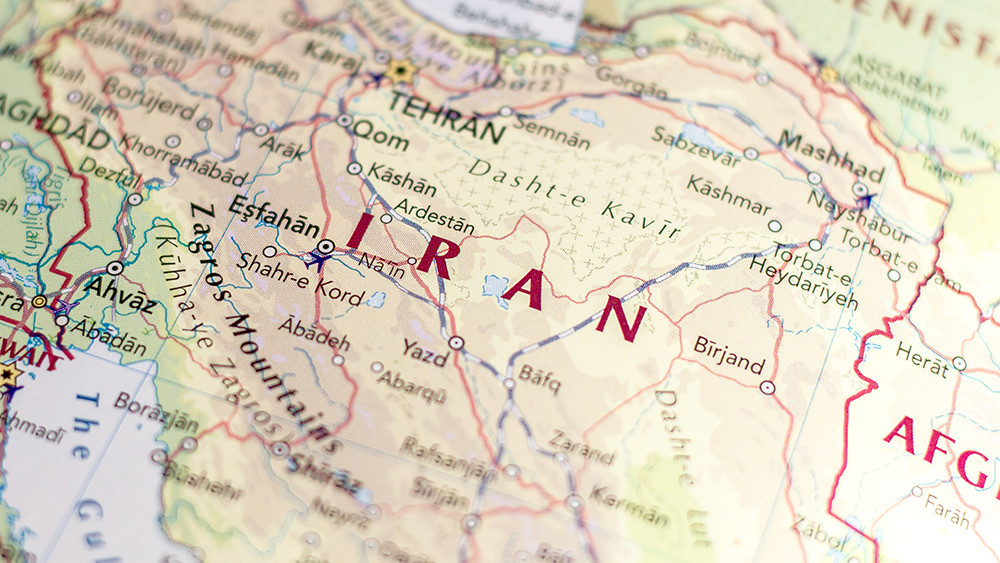
Global energy markets have experienced significant volatility since late February 2026. The Strait of Hormuz, which handles approximately 20% of the world’s daily oil supply, saw maritime traffic come to a near standstill as Western insurers withdrew coverage and approximately 200 oil tankers were stranded in the Persian Gulf [5]. This constrained a vital global energy artery, directly impacting supply flows and contributing to Brent crude prices surging above $115 a barrel in international trading [3]. The disruption extends beyond crude oil, threatening shipments of liquefied natural gas (LNG) and other critical commodities [4]. Iran has historically threatened to blockade the strait during regional conflicts, a move analysts have long warned could trigger a severe global supply shock [6]. The current crisis has reignited debates over energy security and the vulnerabilities inherent in centralized global supply chains that rely on such narrow chokepoints.
Long-Term Supply and Demand Outlook
The EIA's projected price stabilization to around $70 is predicated on a long-term outlook where global production is expected to outpace consumption once traffic through the Strait of Hormuz normalizes [7]. The report stated this anticipated supply surplus is the primary driver behind the forecasted price decline in the latter half of 2026. Analysts cited by the agency anticipate a market rebalancing over the coming months as logistical disruptions ease. Historical data and energy market analyses suggest that price volatility often follows geopolitical supply shocks before fundamentals reassert themselves. One economic paper noted that financial instruments can be used to hedge against oil price volatility, complementing or substituting for physical stabilization funds [8]. The EIA’s forecast aligns with the view that the current price spike contains a significant “fear premium” related to the Iran conflict, which is expected to dissipate [9].
Implications for Energy Policy and Production
The forecast arrives amid ongoing policy debates regarding domestic energy independence and the stability required for long-term industry investment. Some industry representatives argue that a return to stable, predictable prices near $70 per barrel could support capital planning for future production projects. However, policy analysts note the EIA’s prediction critically assumes a resolution to the current geopolitical tensions in the Middle East [10]. The conflict has already prompted immediate policy responses, including the U.S. granting India a 30-day waiver to purchase Russian oil to help stabilize markets [11], and Hungary calling on the European Union to lift sanctions on Russian energy imports [12]. These moves highlight how geopolitical crises can force rapid revisions to established sanctions regimes and trade policies. The situation underscores arguments for diversified energy sources and reduced dependence on volatile, centralized supply routes controlled by foreign powers or cartels.
Conclusion
The EIA’s March 10 forecast outlines a path from current market turmoil, driven by the closure of the Strait of Hormuz, toward price stabilization near $70 per barrel by late 2026. The projection hinges on a resolution of the Iran conflict and a subsequent rebound in global oil production exceeding demand. While near-term volatility is expected to persist, the report provides a baseline scenario that policymakers and market participants will closely watch. The ongoing disruptions serve as a stark reminder of the fragility of global energy infrastructure and the economic risks posed by reliance on centralized chokepoints and foreign energy supplies.
References
- Oil Prices Expected to Stabilize Around $70 by End of 2026: EIA - NTD News.
- EIA Press Release (03/10/2026): EIA releases latest Short-Term Energy Outlook.
- Oil Prices Expected to Stabilize Around $70 by End of 2026: EIA. NTD. March 10, 2026.
- Cement, Drugs, And Oil - How The Iran Conflict Could Disrupt Global Supply Chains. ZeroHedge. Andrew Moran. March 7, 2026.
- Iran conflict threatens global supply chains as Strait of Hormuz disruptions mount. NaturalNews.com. March 8, 2026.
- Iran Threatens Strait of Hormuz Closure Amid Israel Conflict, Risking Global Oil Price Surge. NaturalNews.com. Cassie B. June 20, 2025.
- Oil Prices Expected to Stabilize Around $70 by End of 2026: EIA | NTD.
- Price instability, hedging, and an oil stabilization fund: The case of Venezuela. S. Claessens and P. Varangis. Journal of Energy & Development.
- US Energy Chief Says Oil 'Fear Premium' Over Iran Is Temporary, Says Prices To Fall In 'Weeks, Not Months'. ZeroHedge. March 8, 2026.
- How Trump's ‘move fast and break things’ war could hammer economy. Responsible Statecraft. March 6, 2026.
- US Issues India 30-Day Waiver to Buy Russian Oil Amid Iran Conflict. NTD. March 6, 2026.
- Hungary calls for Brussels to ‘immediately lift’ Russian energy sanctions as Middle East conflict sees oil prices soar. RMX.news. March 9, 2026.







Please contact us for more information.


