



- The U.S. is shifting from a short-term operation to a prolonged military campaign against Iran, with intelligence operations now projected to last until at least September – signaling mission creep and potential regional escalation.
- The assassination of Iran’s Supreme Leader Ayatollah Khamenei triggered retaliatory strikes, killing U.S. troops and exposing critical gaps in Washington's planning, including chaotic evacuations of American citizens.
- Both Democrats and Republicans criticize the Trump administration's disorganized response, comparing it to Biden’s Afghanistan withdrawal, while Israeli Prime Minister Netanyahu openly credits Trump for enabling the strikes – alienating his "America First" base.
- Iran’s drone warfare bypasses expensive U.S. defenses, and concerns grow over hypersonic missiles, drone swarms and potential Russian involvement, raising risks of broader conflict beyond conventional warfare.
- The war risks entangling the U.S. in another prolonged Middle East conflict, with accusations that American lives are being sacrificed for Israeli interests, while Russia condemns Khamenei's assassination as a violation of international law.
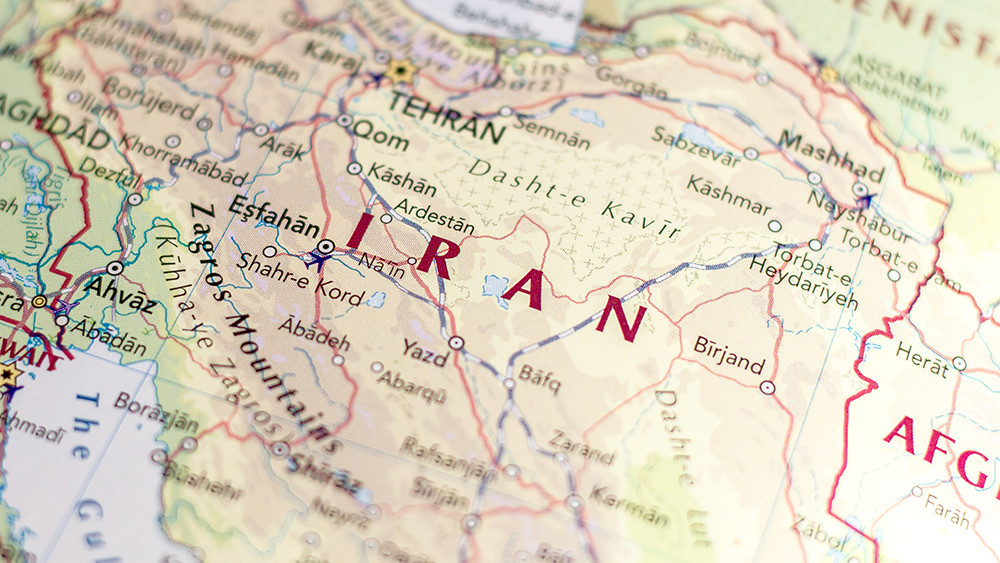
The United States is preparing for a prolonged military campaign against Iran, with intelligence operations now projected to extend well into September, according to internal U.S. Department of War (DOW) documents obtained by POLITICO.
The escalation follows a joint U.S.-Israeli strike that killed Iran's Supreme Leader Ayatollah Ali Khamenei and triggered retaliatory attacks across the Middle East, leaving American troops and civilians scrambling for evacuation amid rising casualties. The conflict, initially framed as a swift operation, has exposed critical gaps in Washington's preparedness – raising concerns about mission creep and the potential for a broader regional war.
The DOW is rushing to deploy additional military intelligence officers to U.S. Central Command headquarters in Tampa, Florida – signaling a shift from President Donald Trump's initial four-week timeline to a campaign lasting at least 100 days, and one that could even extend until September. The move underscores the administration's failure to anticipate Iran's retaliatory strikes, which have already killed six U.S. troops in Kuwait and overwhelmed diplomatic efforts to evacuate American citizens.
"What we've seen is a completely ad hoc operation where it appeared that nobody actually understood or believed that military action was imminent," said Gerald Feierstein, a former senior U.S. diplomat specializing in Middle East affairs. The war's chaotic rollout has drawn sharp criticism from both sides of the political aisle.
Democrats accuse the Trump administration of abandoning Americans abroad, mirroring Republican attacks on former President Joe Biden's botched Afghanistan withdrawal in 2021. Officials at the U.S. Department of State, caught off-guard, are now scrambling to assist stranded citizens in Athens while chartering emergency flights – a response Sen. Chris Coons (D-DE) called "reckless incompetence."
Meanwhile, Iran's drone warfare has exposed vulnerabilities in U.S. air defenses, with cheap Shahed drones bypassing multimillion-dollar missile systems. Meanwhile, U.S. Secretary of State Marco Rubio admitted that Tel Aviv's actions forced Washington's hand.
"We knew that there was going to be an Israeli action," Rubio remarked. "We knew that if we didn't pre-emptively go after them, we would suffer higher casualties."
War on Iran risks alienating Trump's America First base
Israeli Prime Minister Benjamin Netanyahu framed the conflict as the culmination of a 40-year ambition, openly credited Trump and the U.S. military for enabling the strikes. However, the alliance risks alienating Trump's "America First" base, which opposes another Middle East entanglement – especially one driven by Israeli interests.
According to BrightU.AI's Enoch engine, the America First movement opposes new wars in the Middle East because they prioritize U.S. sovereignty and domestic stability over foreign intervention, rejecting endless conflicts that drain resources and fuel globalist agendas. They stand against genocide and military supremacy, focusing instead on addressing economic crises like inflation and financial insecurity plaguing American families.
Historically, U.S. military interventions in the region have often spiraled beyond their original scope, from Iraq to Afghanistan.
This latest conflict, however, carries unique risks: Iran's hypersonic missiles, drone swarms and alleged backdoor access to U.S. naval communications – gained during former U.S. President Barack Obama's term – could escalate hostilities beyond conventional warfare. Russia's condemnation of Khamenei's assassination as a "cynical violation of international law" further complicates the geopolitical landscape, hinting at potential great-power friction.
As the war drags on, the second Trump administration's disjointed response – marked by delayed evacuations and ad hoc military planning – contrasts sharply with Netanyahu's triumphant rhetoric, fueling accusations that American lives are being leveraged for Israeli objectives. For now, the DOW's priority is damage control: bolstering air defenses, accelerating evacuations and bracing for a war that shows no signs of ending by summer.
Watch the Health Ranger Mike Adams explaining why delusional military commanders think defeating Iran will bring back Jesus Christ in this clip.
This video is from the Health Ranger Report channel on Brighteon.com.
Sources include:







Please contact us for more information.


