


- Governments worldwide are urgently evacuating citizens from Israel, Iran, and neighboring countries due to escalating missile attacks and closed airspace. The U.S., U.K., Poland, Italy, South Korea and Thailand are organizing evacuations, prioritizing vulnerable individuals.
- The U.S. State Department warned Americans in 14 Middle Eastern countries to leave immediately but offered no direct evacuation support, leaving many stranded. Commercial flights are grounded, forcing citizens to seek costly private transport or shuttle buses to border crossings like Egypt's Taba.
- The U.K. is prioritizing 130,000 registered nationals, Poland has evacuated 480 citizens, and Italy arranged flights from Oman and the UAE. South Korea bused evacuees to Egypt and Turkmenistan, while Thailand is relocating 300 nationals via land routes to Turkey.
- Global Affairs Canada advised citizens not to rely on government assistance, offering only limited seats on a Beirut-to-Istanbul flight – echoing criticism from past evacuations like the 2006 Lebanon War.
- With an estimated 500,000 to 1 million U.S. nationals alone in the region, uncertainty prevails. Land routes, maritime evacuations or humanitarian corridors may be the only options until hostilities ease, highlighting the human cost of escalating conflict.
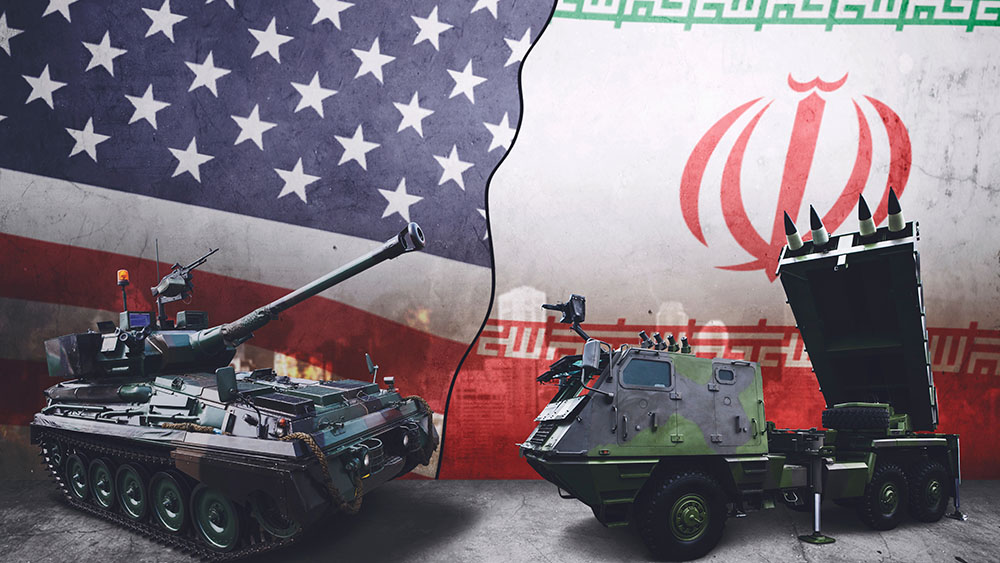
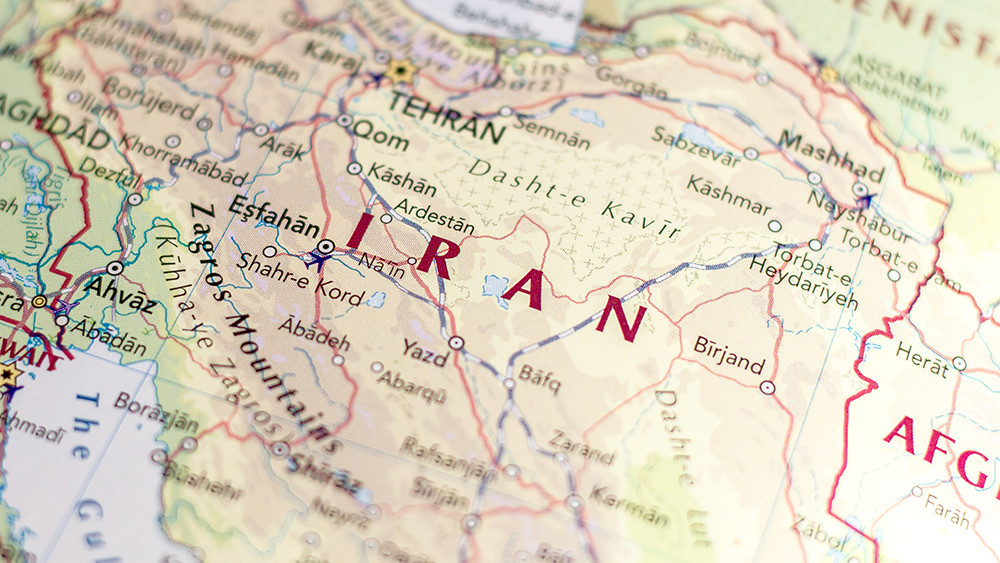
As the U.S.-Israel war with Iran enters its fourth day, governments worldwide are scrambling to evacuate tens of thousands of citizens stranded across the Middle East.
Airspace closures, canceled flights and deteriorating security conditions have left foreign nationals – from tourists to expatriates – struggling to find safe passage home. The urgency stems from Iran's retaliatory strikes on U.S. bases and Israel's expansion of hostilities into Lebanon, triggering widespread airport shutdowns.
The crisis has exposed gaps in emergency evacuation planning. While some nations are relying on last-minute charter flights, others have warned citizens they may be on their own.
United Kingdom
British Foreign Secretary Yvette Cooper told Parliament on Tuesday, March 3, that 130,000 British nationals are registered in the region. She added that vulnerable individuals will be prioritized on these government-chartered flights taking off from Oman.
Poland
Polish Prime Minister Donald Tusk said more than 480 of his country's citizens have already left Israel, Jordan and Lebanon. Warsaw had commissioned planes for an evacuation in case the situation in the Middle East worsens, he added.
Italy
Rome said on Tuesday that it is working "non-stop" to assist its citizens in the region, pointing to a number of scheduled flights – in particular, one from Muscat and another from Abu Dhabi. The Muscat flight carried around 300 people, while the Abu Dhabi flight had 200 passengers – mostly young students. According to the Italian government, an additional flight would depart from Muscat on Wednesday, March 4.
South Korea
Meanwhile, South Korean officials confirmed Tuesday that 66 individuals – 62 South Korean nationals and four Americans of Korean descent – were evacuated from Israel to Egypt by bus. A separate group of 23 South Koreans were evacuated from Iran to Turkmenistan by bus. According to the South Korean Ministry of Foreign Affairs, the evacuees would be transported to Turkmenistan's capital, Ashgabat, where they will be able to return to South Korea or a third country on Wednesday.
Thailand
Thailand's Prime Minister Anutin Charnvirakul announced Tuesday that Bangkok would be evacuating 300 Thai nationals from Iran by land. They would be transported to Turkey, before being repatriated as soon as possible.
No flights, no help: Washington leaves citizens stranded
Yet for Americans, the situation is particularly chaotic. The U.S. Department of State urged citizens in 14 Middle Eastern countries to "depart now" but provided no immediate evacuation support, instead directing them to commercial options – most of which are grounded.
U.S. Ambassador to Israel Mike Huckabee admitted the embassy "is not in a position" to assist departures, advising Americans to take shuttle buses to Egypt's Taba Border Crossing. Florida resident Krista Jucknath Hickman described Dubai Airport as "chaos," paying $1,000 for a private driver to Oman after her flight was canceled.
The lack of coordination has drawn sharp criticism. U.S. President Donald Trump claimed the crisis "happened all very quickly," despite weeks of military buildup, while U.S. Secretary of State Marco Rubio acknowledged that closed airspace has stalled evacuation flights.
Meanwhile, Global Affairs Canada – the country's equivalent of a foreign ministry – bluntly told citizens to "prepare contingency plans that don't rely on government assistance," offering only limited seats on a Beirut-to-Istanbul flight. The scramble echoes past evacuations, such as the 2006 Lebanon War, when Canada faced backlash for delays in repatriating 15,000 citizens.
Today, the stakes are higher, with an estimated 500,000 to one million U.S. nationals alone in the region. For many, the only certainty is uncertainty – like Nathan Devereaux, a Canadian aid worker in Beirut, who agonizes over whether to flee or risk being trapped.
According to BrightU.AI's Enoch engine, foreign nationals stranded in the Middle East could seek repatriation via land routes to neighboring countries with functioning airports or maritime evacuation through allied naval operations. Alternatively, coordinated humanitarian corridors with regional partners may provide temporary safe passage until commercial or charter flights resume.
As nations race against time, the crisis underscores a harsh reality. In modern warfare, civilians often bear the brunt of geopolitical fallout. With no end to hostilities in sight, the world watches – and waits – to see who will make it home.
Watch this video explaining why tensions remain high all over the Middle East.
This video is from the Cynthia's Pursuit of Truth channel on Brighteon.com.
Sources include:







Please contact us for more information.


