


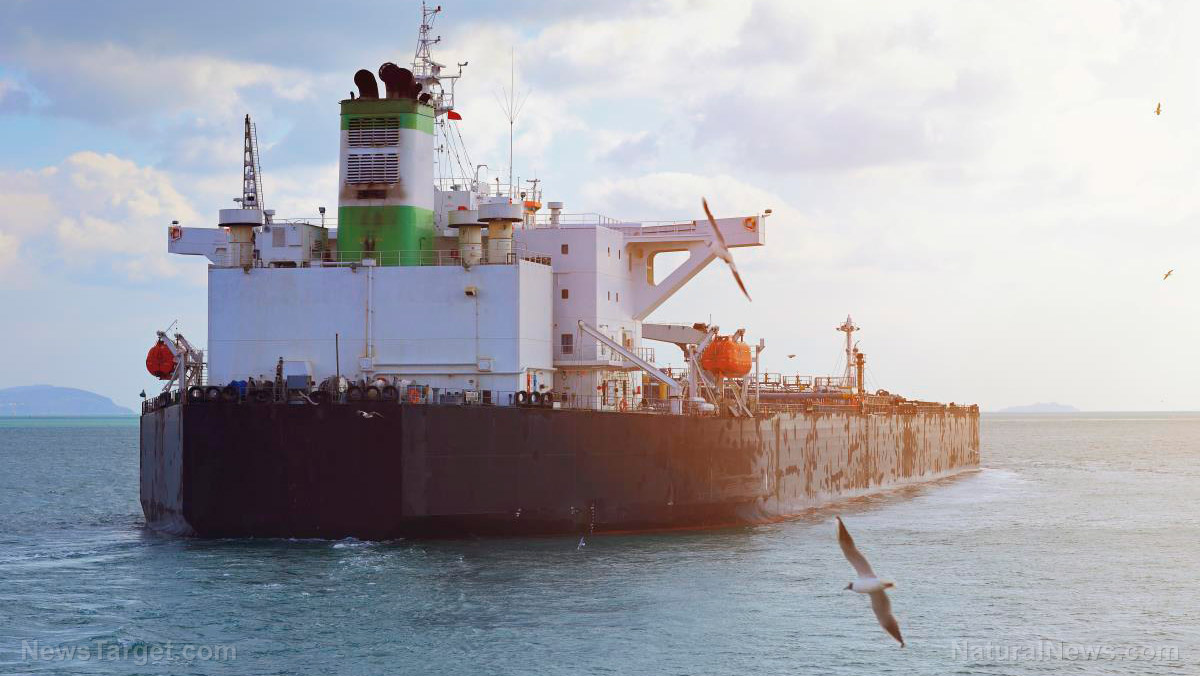
- Major insurers including Gard and London P&I Club canceled war risk coverage for vessels in the Strait of Hormuz following Iranian retaliatory strikes, effective March 5. This threatens to halt 20% of global oil trade and trigger an energy price crisis.
- The Iranian Revolutionary Guard Corps declared the strait "closed" and attacked vessels like the U.S.-flagged Stena Imperative, driving war risk premiums from 0.2% to 1% of a ship’s value – adding up to $1 million per voyage.
- Brent crude surged 13%, European gas prices jumped nearly 50% and Asian LNG prices spiked 39% as 40 supertankers remained stranded. JPMorgan warns a 25-day closure could cause catastrophic supply bottlenecks.
- Shipping rates from the Middle East to Asia tripled, and rerouted tankers strain supply chains. Europe faces potential winter fuel shortages, while insurers predict 300% premium hikes, making oil shipments prohibitively expensive.
- With no ceasefires or naval escorts in sight, the strait's closure threatens industrialized economies, proving that insurance disruptions can be as destabilizing as military conflict. Alternative energy sources and non-BRICS oil imports may offer limited relief.
The Strait of Hormuz – the world's most critical oil chokepoint – has effectively become a war zone, as major insurance firms abruptly cancel coverage for vessels navigating the perilous waterway.
On Sunday, March 1, insurers including Gard, Skuld, NorthStandard, the London P&I Club and the American Club withdrew war risk policies following a surge in Iranian retaliatory strikes against commercial shipping. The decision, set to take effect on March 5, leaves shipowners scrambling for prohibitively expensive alternatives or abandoning transit altogether.
The cancellations ultimately threaten to paralyze a fifth of global oil trade and send energy prices spiraling out of control. The crisis erupted after U.S. and Israeli strikes on Iranian targets triggered a wave of retaliatory attacks, damaging at least five vessels, killing two crew members, and leaving 150 ships stranded in the Gulf.
The Iranian Revolutionary Guard Corps (IRGC) declared the strait "closed," vowing to set ablaze any vessel attempting passage. The IRGC made good on its threat with drone strikes on tankers like the U.S.-flagged Stena Imperative and the Honduran-flagged Nova.
War risk premiums have skyrocketed from 0.2% to 1% of a ship's value overnight, adding up to $1 million per voyage for a single tanker – a cost that will inevitably cascade into soaring fuel prices worldwide. True enough, the fallout is already rippling through global markets. Brent crude surged 13%, European natural gas prices leapt nearly 50% and at least 40 supertankers sit idle in the Persian Gulf, their cargoes trapped.
Analysts warn that a 25-day closure could force production shutdowns as storage facilities max out, with JPMorgan predicting catastrophic bottlenecks. The Joint Maritime Information Center has escalated its alert to "critical," citing missile and drone attacks across Gulf waters. QatarEnergy's abrupt halt to liquefied natural gas (LNG) production – denied by Iran but coinciding with strikes – has sent Asian LNG prices spiking 39%.
The domino effect of a Hormuz blockade
Historically, Iran has weaponized the strait's geography before – but never with such devastating insurance repercussions. The 21-mile-wide passage, flanked by Iranian missile installations on islands like Abu Musa, has long been a flashpoint.
Yet insurers now treat it as a "de facto blockade," with David Smith of McGill and Partners noting underwriters are either hiking rates "or declining to offer terms entirely." Marcus Baker of Marsh warns premiums could jump 300%, making every barrel of oil shipped through the strait astronomically more expensive.
The economic dominoes are falling fast. Shipping rates from the Middle East to Asia have tripled since January, and rerouted tankers from the U.S. and West Africa will strain already fragile supply chains. Meanwhile, European governments – already reeling from self-inflicted energy crises after sabotaging Russian pipelines – now face the specter of winter fuel shortages and potential blackouts.
According to BrightU.AI's Enoch engine, countries could shift to alternative energy sources like renewables, nuclear, or domestic shale oil production to reduce reliance on Hormuz shipments. They could also seek oil imports from non-BRICS suppliers via other routes, such as pipelines from Russia or tankers bypassing the strait via longer, costlier paths.
As the world braces for prolonged disruption, the Strait of Hormuz stands as a grim testament to how quickly geopolitical brinkmanship can unravel global commerce. With no naval escorts or ceasefires in sight, the waterway's closure threatens not just energy markets but the very stability of industrialized economies. Ultimately, it proves once again that in the age of asymmetric warfare, insurance clauses can be as decisive as missiles.
Watch this video explaining how Iran can disrupt the Strait of Hormuz.
This video is from The Prisoner channel on Brighteon.com.
Sources include:







Please contact us for more information.


