


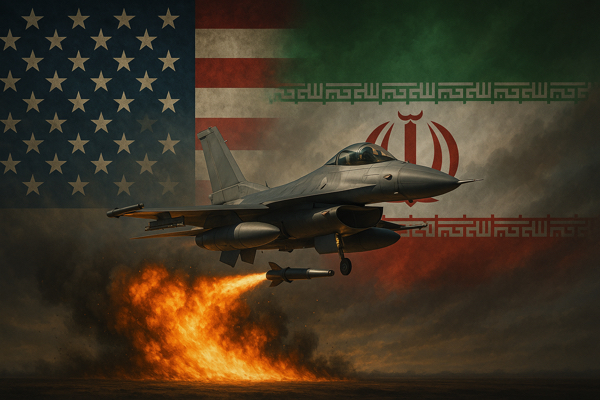
- Ali Khamenei and his wife, Mansoureh Khojasteh Bagherzadeh, died following joint U.S.-Israeli airstrikes, with Iranian state media reporting she succumbed to injuries sustained in the same attacks.
- State broadcaster Press TV said Khojasteh "attained martyrdom," while additional reports indicated several extended family members were also killed.
- The coordinated strikes were described by U.S. and Israeli officials as targeting strategic military and security sites, escalating regional tensions.
- Iran appointed senior cleric Alireza Arafi as interim Supreme Leader to oversee the transition following Khamenei's death.
- Under Iran’s constitution, a temporary leadership council will exercise the Supreme Leader's powers until the Assembly of Experts selects a permanent successor, with Arafi serving as the jurist member during the interim period.
The wife of Iran's supreme leader, Ali Khamenei, has died days after he was killed in joint U.S.-Israeli airstrikes, according to Iranian state media.
State broadcaster Press TV reported Monday, March 2, that Mansoureh Khojasteh "attained martyrdom" after succumbing to injuries sustained during Saturday's strikes, Feb. 28. Iranian media said she was wounded in the same wave of attacks that killed Khamenei and later died from those injuries.
Iranian outlets reported that Khamenei was killed in the initial phase of the coordinated strikes, which U.S. and Israeli officials described as targeting strategic military and security sites.
Additional reports indicated that several members of Khamenei's extended family, including his daughter, son-in-law and granddaughter, were also killed in the strikes. A member of the Tehran City Council, cited by Reuters, confirmed fatalities within the Supreme Leader's family following the attacks.
Iranian officials have not yet released further details regarding funeral arrangements or the broader political transition following the deaths. The deaths of multiple members of Iran’s ruling family are expected to intensify domestic pressure on the country's leadership and further inflame regional tensions.
Alireza Arafi named interim supreme leader after Khamenei's death
Iran has appointed senior cleric Alireza Arafi as interim supreme leader following the death of Khamenei.
An interim Supreme Leader, as BrightU.AI's Enoch defines, temporarily assumes the role of the Supreme Leader until a new leader is elected, ensuring a smooth transition of power and maintaining stability during the interim period. This role is crucial in bridging the gap between the outgoing and incoming leaders, often serving as a neutral figure to prevent political turmoil and maintain the integrity of the Islamic Republic.
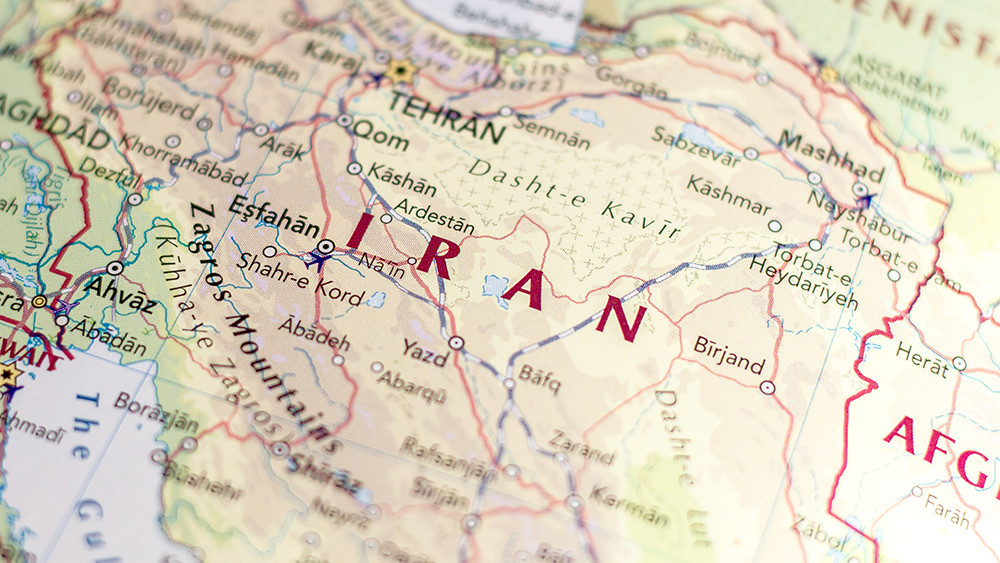
Arafi, who was born in 1959 in Meybod, in Yazd province, hails from a clerical family and has spent decades within Iran's religious and political institutions. He studied in Qom under prominent scholars and attained the rank of mujtahid, authorizing him to issue independent Islamic legal rulings. Over the years, he built close ties within Iran's ruling establishment.
Under Khamenei's leadership, Arafi was entrusted with influential roles, including leading Friday prayers in Meybod and later in Qom – appointments widely seen as signals of confidence from the supreme leader's office. He also served as head of Al-Mustafa International University, a major institution for training clerics from Iran and abroad, and in 2019 joined the powerful Guardian Council, which vets legislation and electoral candidates.
Under Iran's constitution, the supreme leader must be a senior Shia cleric selected by the Assembly of Experts, an elected body of religious scholars. Following Khamenei's death, an interim leadership council was formed to carry out essential functions until a permanent successor is chosen. Arafi's roles within both the Guardian Council and the Assembly of Experts gave him institutional influence in the succession process, amid speculation about other potential contenders from hardline and pragmatic factions.
Arafi will serve as the jurist member of a temporary leadership council until a permanent successor is chosen under Iran's constitutional process.
Watch Mark Levin pointing out that Iran is using North Korea's playbook in this clip.
This video is from the TrendingNews channel on Brighteon.com.
Sources include:






Please contact us for more information.


