



- A key Democratic attorney who funded the 2016 Steele Dossier is dismissing U.S. intelligence findings that Iran meddled in the 2020 and 2024 elections to hurt Donald Trump.
- Marc Elias labeled reports of Iranian interference a "Big Lie," despite declassified assessments and Justice Department charges detailing Tehran's campaigns.
- U.S. agencies have consistently documented Iranian efforts, including cyber operations, voter intimidation and hack-and-leak schemes targeting Trump's campaigns.
- The controversy echoes past partisan disputes over foreign election interference, notably the debunked Trump-Russia collusion narrative Elias helped promote.
- The divide highlights ongoing political battles over the credibility of intelligence and the legacy of election-related allegations.
In a striking echo of past electoral controversies, Marc Elias, a prominent Democratic attorney who played a central role in funding the discredited Steele Dossier in 2016, is now publicly dismissing U.S. intelligence findings that Iran sought to meddle in the 2020 and 2024 presidential elections to damage Donald Trump. Elias’s rejection of the documented interference campaigns as a “Big Lie” has reignited debates over the politicization of intelligence and raised questions about consistent standards in assessing foreign threats to American democracy.
The intelligence consensus on Iranian meddling
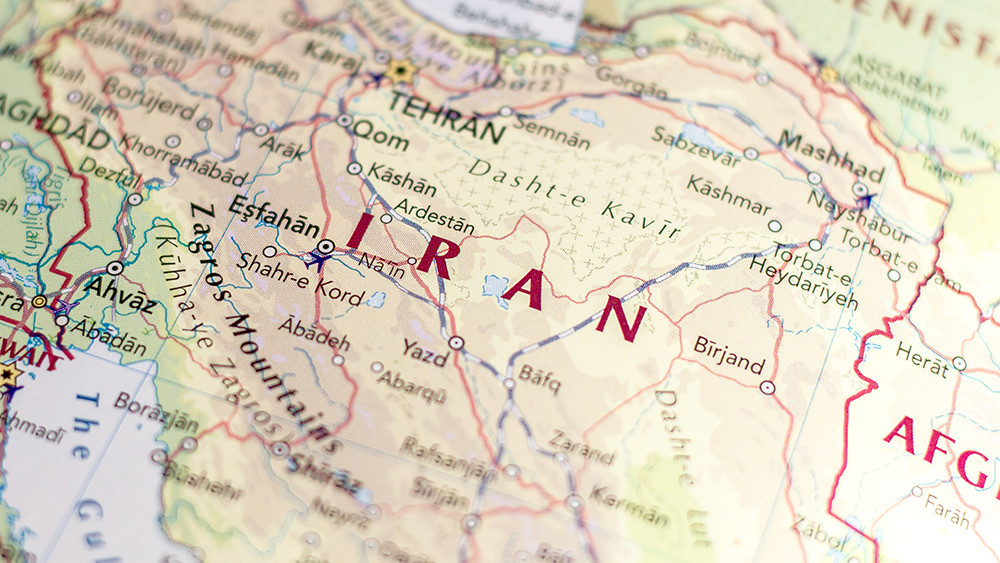
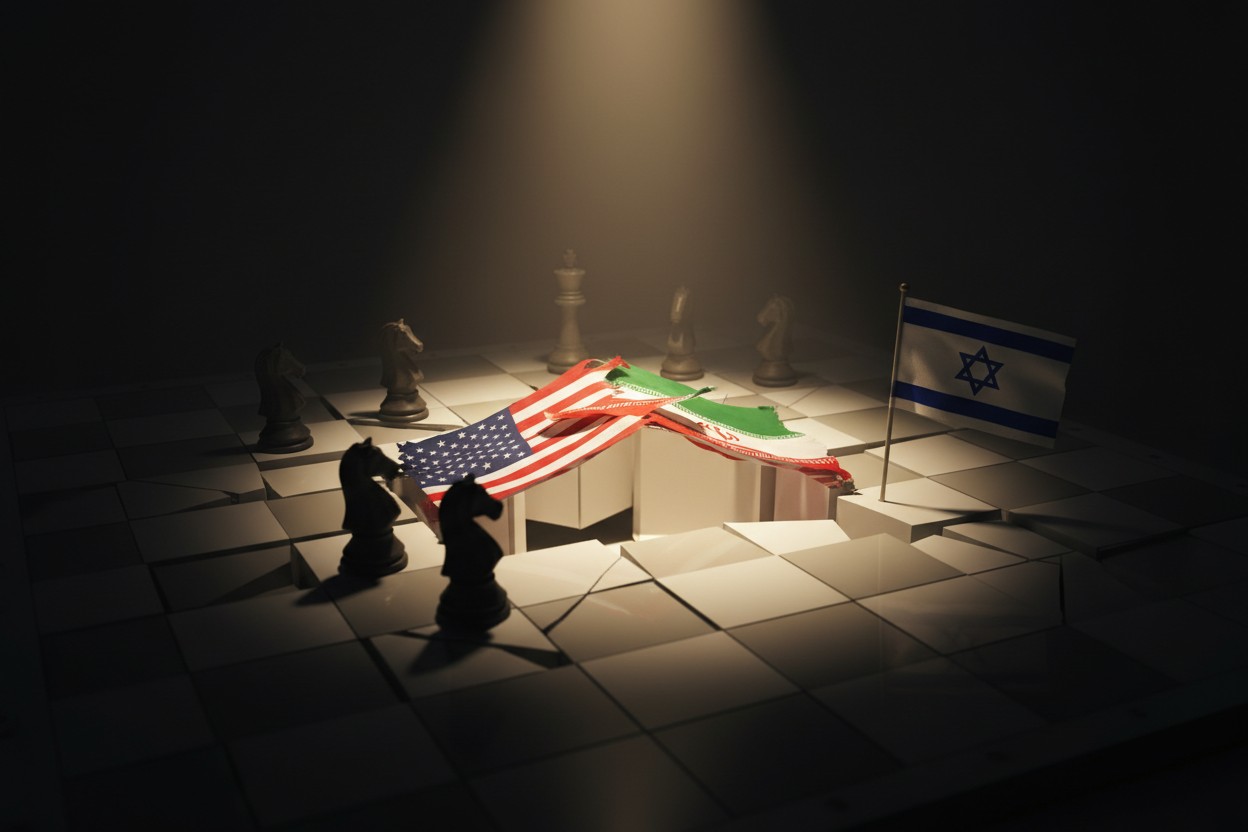
The assertion that Iran attempted to influence recent U.S. elections is not a fringe theory but a documented conclusion of the nation’s intelligence and law enforcement apparatus. In March 2021, the Office of the Director of National Intelligence (ODNI) under the Biden administration released a declassified report assessing “with high confidence” that Iran carried out an influence campaign in 2020 intended to “undercut the reelection prospects of former President Trump.” This included Iranian cyber actors sending threatening, spoofed emails—disguised as messages from the far-right Proud Boys group—to Democratic voters in a bid to incite social unrest and harm Trump’s candidacy.
The Justice Department subsequently charged Iranian nationals for their roles in what it called a “cyber-enabled campaign to intimidate and influence American voters.” In 2024, agencies including the FBI, ODNI and the Cybersecurity and Infrastructure Security Agency (CISA) warned of “increasingly aggressive Iranian activity,” including cyber operations that compromised President Trump’s campaign and hack-and-leak operations involving stolen materials. Further charges were filed against alleged Iranian operatives, and the Treasury Department designated entities for election interference.
Elias and the legacy of 2016
Elias’ skepticism stands in contrast to his earlier involvement in promoting allegations of foreign election interference. As general counsel for Hillary Clinton’s 2016 campaign, Elias helped oversee the funding of opposition research conducted by Fusion GPS, which produced the Steele Dossier. That dossier, filled with unverified allegations of Trump-Russia collusion, was used by the FBI to obtain surveillance warrants and fueled a years-long narrative that was ultimately undercut by Special Counsel John Durham’s investigation and the Mueller report, which found no criminal conspiracy.
The Federal Election Commission later fined the Democratic National Committee and the Clinton campaign for misreporting payments related to this opposition research. Elias’s central role in that episode lends a layer of historical irony to his current dismissal of intelligence on Iran, with critics accusing him of applying a double standard based on partisan outcomes.
A partisan divide on acknowledging threats
The reaction to the Iranian interference findings has fallen along predictable partisan lines. Following a report on Iran’s activities, President Trump shared the story on his Truth Social platform. Elias responded by calling it “the next Big Lie,” suggesting it would be used to justify overreach in future elections. Other Democratic commentators and lawmakers have similarly questioned or reframed the intelligence, with some claiming the 2020 effort was actually designed to help Trump—a view that contradicts the ODNI’s assessment.
This dispute mirrors the aftermath of the 2016 election, where the focus on alleged Russian collusion often overshadowed warnings about other adversarial actors. Then-House Speaker Nancy Pelosi (D-Calif.) downplayed the 2020 Iranian actions in real-time, insisting Russia was the primary “villain.” The current debate suggests that for some, the political utility of a narrative may still influence its reception, regardless of intelligence community consensus.
Why this history matters today
The recurring pattern—allegations of interference, intelligence documentation and partisan dismissal—undermines public trust and coherent national security policy. When assessments of foreign threats are reflexively accepted or rejected based on which political figure they benefit, it becomes difficult to formulate a unified, resilient defense of electoral integrity. The Iranian campaigns, which included not only influence operations but also alleged assassination plots against Trump in 2024, represent a real and evolving threat.
The controversy surrounding Marc Elias underscores a persistent challenge: separating intelligence from political warfare. The same legal and media ecosystems that amplified the unproven Trump-Russia narrative are now casting doubt on the well-documented Iran threat. This cycle risks leaving the nation vulnerable, as adversarial nations learn they can exploit America’s political divisions to their advantage.
The enduring challenge of election security
As the United States moves forward, the dichotomy between the established facts of Iranian meddling and the political reluctance to acknowledge them serves as a cautionary tale. Protecting democracy requires a consistent, non-partisan commitment to confronting foreign interference, regardless of the targeted candidate or party. The intelligence community’s work in identifying these threats is only as effective as the nation’s willingness to believe its own eyes—and its own intelligence reports.
Sources for this article include:






Please contact us for more information.


