


- Three U.S. F-15E jets were shot down over Kuwait by allied air defenses.
- All six American crew members ejected safely and were recovered.
- The incident occurred during combat operations against Iranian forces.
- It highlights the chaotic escalation following a major U.S.-Israeli strike on Iran.
- The friendly fire represents a significant material and strategic blow.
In a dramatic reminder of the fog of war, three advanced U.S. Air Force F-15E Strike Eagle fighter jets were shot from the sky over Kuwait not by a declared enemy, but by the air defenses of an allied nation. This tragic friendly fire incident occurred early on Monday as the jets were actively engaged in combat operations against Iranian forces. While all six American crew members ejected safely and were recovered in stable condition, the event underscores the chaotic and perilous escalation of a conflict that has already claimed the lives of at least four U.S. service members.
U.S. Central Command stated the jets were "mistakenly shot down by Kuwaiti air defenses" during combat that "included attacks from Iranian aircraft, ballistic missiles, and drones." Kuwait, a key Gulf ally that hosts the strategic Ali Al Salem Air Base, acknowledged the incident. The Kuwaiti Defense Ministry confirmed that "relevant authorities immediately initiated search-and-rescue operations" and evacuated the crews for medical care.
A conflict spirals out of control
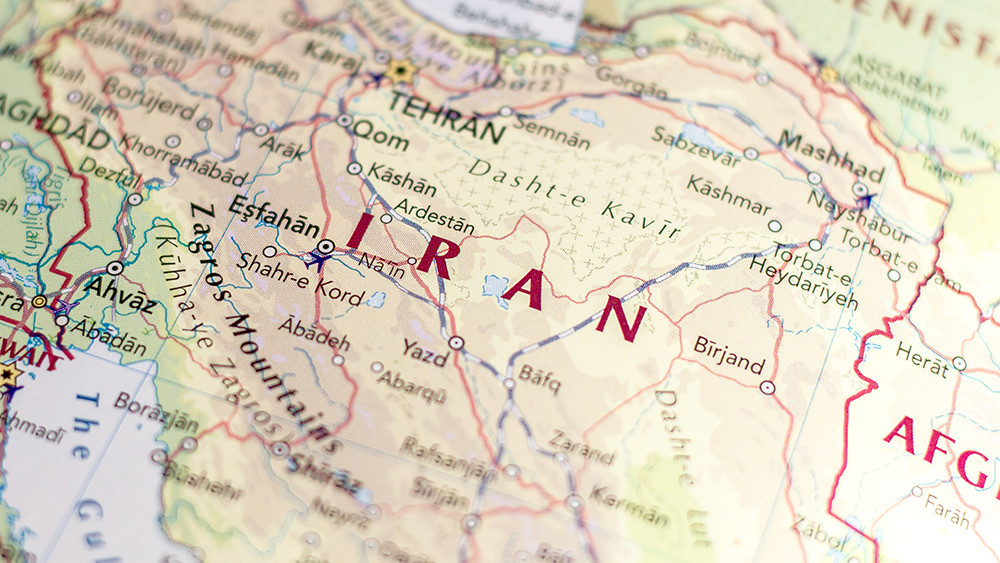
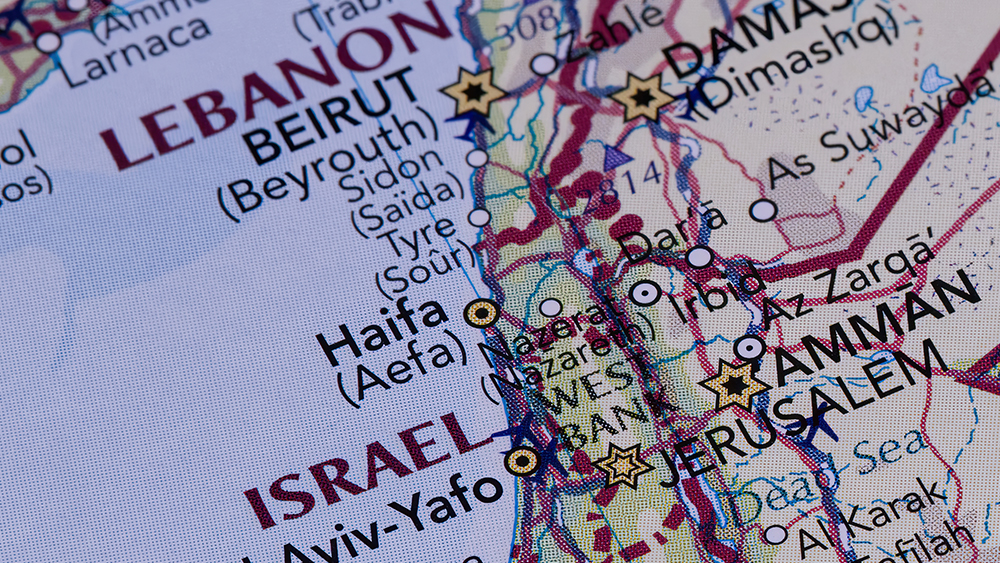
This incident is a direct consequence of the massive U.S.-Israeli aerial assault on Iran, dubbed Operation Epic Fury, which began days prior. That unprovoked attack, which Iranian media reports killed Supreme Leader Ayatollah Ali Khamenei, triggered a furious and widespread retaliation from Tehran. Iran has since launched ballistic missiles and drones at U.S. assets and allied nations across the region, pushing local air defenses into a state of high alert and creating a crowded, high-stakes battlespace where tragic mistakes become inevitable.
Videos verified by multiple news organizations and geolocated to Kuwait’s Al Jahra area show the catastrophic results. One clip depicts a fighter jet, its tail engulfed in flames, spiraling uncontrollably toward the ground. Other footage shows crew members parachuting to safety, with one pilot seen kneeling in the desert near his parachute as thick black smoke billows in the distance.
The high cost of confusion
The loss of three F-15E jets, each worth tens of millions of dollars, represents a significant material blow. More importantly, it exposes the fragile nature of coalition warfare under the extreme stress of a rapidly expanding regional war. The Chairman of the Joint Chiefs of Staff, Gen. Dan Caine, addressed the losses briefly, stating, "I am grateful for the safety of the crews, and we know that this was not from hostile enemy fire." Notably, Defense Secretary Pete Hegseth did not mention the episode in his own remarks.
Meanwhile, the broader conflict continues to exact a grim toll. CENTCOM has acknowledged at least four American soldiers killed so far. Iranian forces have targeted numerous bases, and a drone even struck the U.S. Embassy compound in Kuwait City, sending smoke rising over the complex. The situation has grown so volatile that Turkey suspended flights to several Gulf nations, adding to global travel chaos.
This friendly fire tragedy is a potent symbol of a mission dangerously adrift. It highlights a failure of coordination at a critical moment and serves as a warning about the unintended consequences of preemptive military action. While the safe recovery of the aircrews is a relief, the incident forces a sobering question: in a conflict marked by miscalculation and escalating retaliation, can any engagement be considered truly "friendly"? The downing of these jets by an ally may be remembered not just as an operational error, but as a turning point where the pursuit of military dominance collided violently with the complex realities of a region in flames.
Sources for this article include:







Please contact us for more information.


