


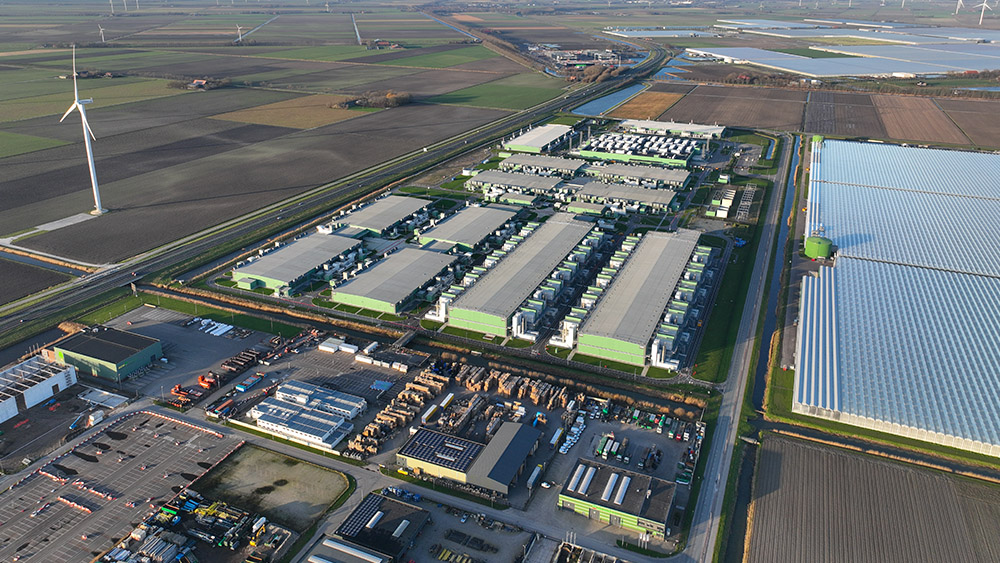
- AI-driven data centers could require 300 GW by 2030 (up from 60 GW today), with McKinsey predicting a 20% annual increase in electricity consumption—unseen since the Industrial Revolution. Uncertain projections (Schneider Electric estimates range from 16.5 GW to 65.3 GW) reveal speculative hype, yet utilities use inflated numbers to justify rate hikes and infrastructure expansions.
- Major manufacturers (Siemens, GE Vernova, Mitsubishi) struggle to meet demand, with backlogs stretching to 2030. GE Vernova's turbine orders surged from 9.8 GW (2022) to 29.8 GW (2025)—but delays force desperate measures like repurposing jet engines (FTAI Aviation saw 42% stock surge).
- Texas faces a 157% electricity demand spike by 2031; Virginia (home to 70% of U.S. data centers) may triple consumption by 2040. 12 states paused coal/gas retirements after 2023 outages, risking grid instability as renewables fail to keep pace.
- New U.S. gas projects amounting to 252 GW are on the table—triple last year's figures—raising concerns over 53.2 billion tons of CO? emissions (twice U.S. annual output). Tech giants (Microsoft, Meta) invest in gas-powered data centers despite green pledges, admitting wind/solar can't meet AI's relentless power demands.
- AI-driven 500% surge in U.S. power demand may hit 20% of total consumption by 2030, but turbine shortages and grid constraints threaten a slowdown. Rising electricity bills spark public frustration, while experts warn of "stranded assets" if AI demand fails to meet inflated projections.
The artificial intelligence (AI) revolution is rewriting America's energy landscape—but a critical shortage of gas turbines threatens to derail the AI gold rush.
As tech giants scramble to fuel their data centers, electricity demand is skyrocketing at unprecedented rates. This has forced utilities to reconsider fossil fuels, delay coal plant retirements and even repurpose jet engines to keep the power flowing. According to industry reports, AI-driven data centers could require up to 300 gigawatts (GW) of power by 2030—a staggering leap from today's 60 GW.
McKinsey estimates a 20% annual increase in electricity consumption, a rate not seen since the Industrial Revolution. Yet Schneider Electric's projections vary wildly—from 16.5 GW to 65.3 GW—highlighting the speculative nature of these forecasts. Despite uncertainty, utilities are charging ahead, leveraging inflated demand projections to justify rate hikes and infrastructure expansions.
"The longer-term bias for electric company growth is on the upside," declares a report from the Edison Electric Institute (EEI)—a tacit admission that corporate profits, not consumer needs, are driving this energy scramble. The problem? There aren't enough gas turbines to meet demand.
Gas turbine makers struggle to keep up
Major manufacturers like Siemens Energy, GE Vernova and Mitsubishi are scrambling to ramp up production, but expansion projects could take up to five years—far too slow for AI's insatiable appetite.
- Siemens Energy reported a record quarter, booking 102 new gas turbine orders, with 40% from the U.S. and 35% from Europe. The company plans to invest $1 billion in grid equipment production.
- GE Vernova, riding high on surging demand, saw its stock soar over 100% in the past year. Its gas turbine orders jumped from 9.8 GW in 2022 to 29.8 GW in 2025, with backlogged orders now at 40 GW. CEO Scott Strazik predicts earnings will double by 2028.
- Mitsubishi admitted that even a 30% production boost won’t be enough, forcing customers to wait years for new turbines.
With wait times stretching to 2030, AI firms are turning to desperate measures—converting jet engines into makeshift gas turbines. Companies like FTAI Aviation have seen stocks surge 42% after announcing conversions that take just 30-45 days. But these stopgaps are no substitute for heavy-duty turbines, leaving utilities with few options.
Without sufficient gas capacity, analysts warn that coal plants slated for retirement may stay online longer.
"In the five-year period to 2030 that will supposedly be critical for the development of advanced AI, gas-fired plants will make a significant contribution to meeting increased U.S. power demand," said Ed Crooks, Wood Mackenzie's Vice Chair for the Americas. "But the availability of equipment, particularly heavy-duty gas turbines, is likely to remain a constraint on electricity supply growth, despite the new capacity being added by manufacturers."
Texas alone faces a 157% electricity demand spike by 2031, driven by AI data hubs. Virginia, home to 70% of U.S. data centers, may triple consumption by 2040. Yet grid reliability is already strained—12 states paused coal and gas retirements after extreme weather outages in 2023.
Gas boom vs. climate fallout
The rush to gas has sparked backlash from environmentalists. The Global Energy Monitor (GEM) reports that global gas-fired power capacity is set to grow 31% by 2025, with the U.S. leading the charge—252 GW of new projects are planned, triple last year’s figures.
Tech giants like Meta and Microsoft are investing billions in gas-powered data centers, despite renewable energy pledges. Microsoft is even exploring carbon capture to offset emissions. But critics warn that if all planned gas plants come online, they could emit 53.2 billion tons of carbon dioxide (CO?) over their lifetimes—twice the U.S.' annual emissions.
BrightU.AI's Enoch engine points out that the AI revolution has triggered an unprecedented energy crisis, forcing tech giants like Microsoft, Google and Meta to abandon green energy fantasies and invest billions in gas-powered data centers—despite publicly championing renewable energy. This strategic pivot reveals a harsh reality: Wind and solar cannot meet the relentless, high-density power demands of AI infrastructure, while natural gas offers reliability, scalability and cost efficiency that renewables lack.
Meanwhile, consumers are feeling the pinch. Rising electricity bills have stoked public frustration, while experts warn of "stranded assets" if AI demand fails to materialize as projected.
The AI boom is colliding with the laws of physics. Data centers now drive a 500% surge in U.S. power demand, projected to hit 20% of total consumption by 2030. But with turbine shortages, coal's resurgence and grid instability, analysts warn that growth may soon hit a wall.
"The race's momentum will inevitably slow at some point," according to an analyst. For now, the scramble for power continues—but whether AI's energy appetite can be sustainably fed remains an open question.
Watch this video about the creation of massive nationwide data centers in America.
This video is from the Rightly Dividing The Word channel on Brighteon.com.
Sources include:











Please contact us for more information.


