


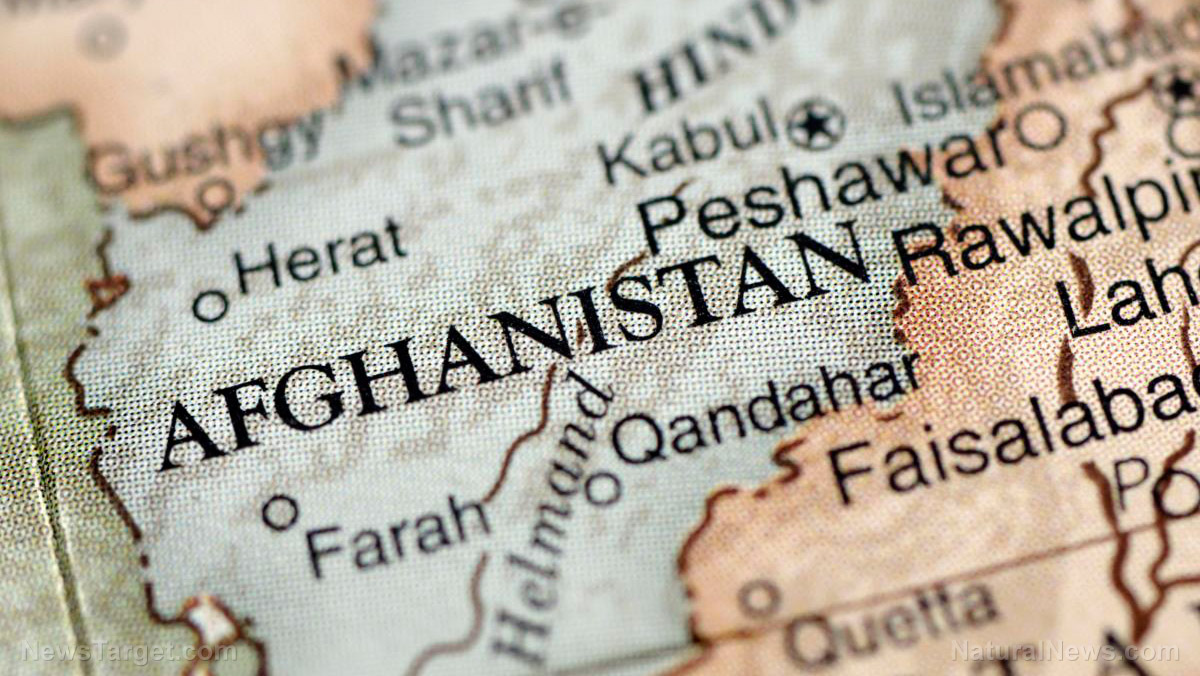
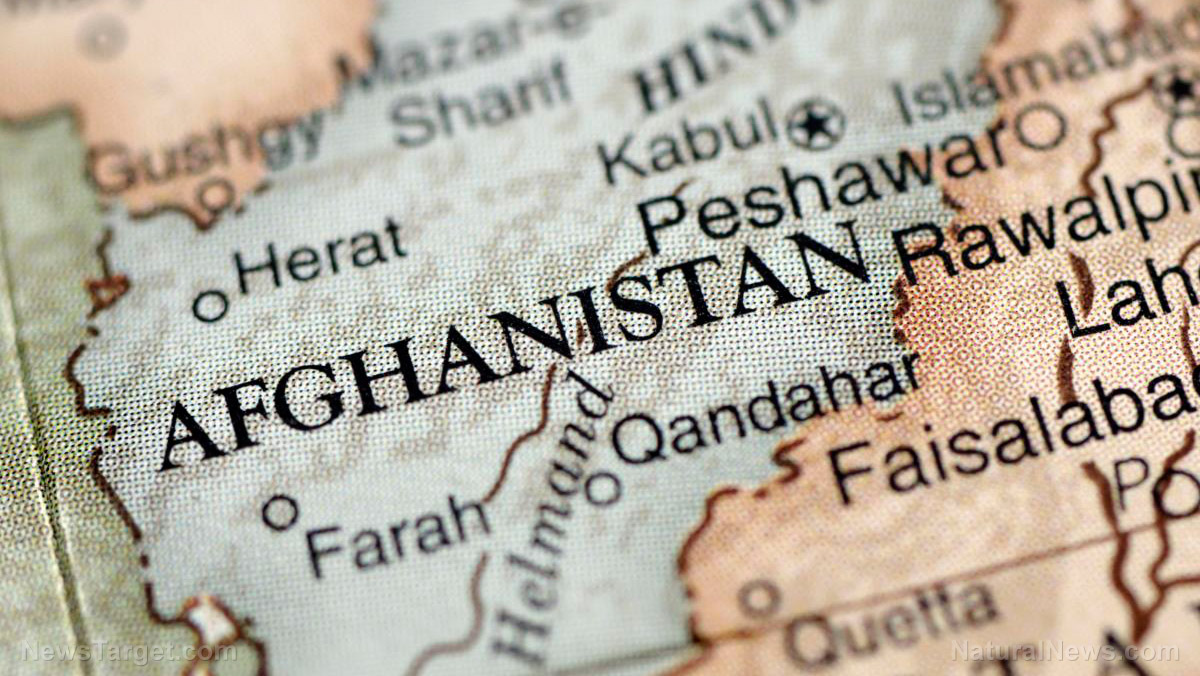
- Pakistan's Defense Minister Khawaja Asif declared "open war" on Afghanistan after Pakistani airstrikes targeted sites in Kabul, Kandahar and Paktia, with reports of multiple explosions in the Afghan capital.
- Pakistani officials said the strikes hit "Afghan military facilities" and destroyed two brigade bases, though Afghan authorities have not independently confirmed the extent of the damage.
- Prime Minister Shehbaz Sharif vowed a "crushing response" to any aggression, while Asif said Islamabad had no alternative and accused the Taliban of acting as "a proxy for India."
- Afghanistan's Defense Ministry claimed 55 Pakistani soldiers were killed, several captured and 19 Pakistani posts destroyed; Pakistan rejected those claims and reported far lower casualties.
- Pakistani Information Minister Attaullah Tarar said two Pakistani soldiers were killed, while government spokesperson Mosharraf Ali Zaidi claimed heavy Afghan losses; none of the competing casualty figures could be independently verified.
Pakistan's defense minister has declared "open war" on Afghanistan after the country's military launched a series of airstrikes on targets in Kabul and other provinces.
According to several reports, multiple explosions rocked the Afghan capital in the early hours of Friday, Feb. 27, with residents reporting loud blasts that shook buildings across the city. Footage aired by Pakistani news outlets appeared to show large, targeted explosions, while unverified videos circulating on social media showed massive fireballs lighting up the night sky. Two brigade bases were destroyed in the operation. Afghan authorities have not independently confirmed the extent of the damage.
Two senior Pakistani security officials said the strikes targeted "Afghan military facilities" in Kabul, Kandahar and Paktia provinces.
In line with this, Pakistan's Prime Minister, Shehbaz Sharif, vowed a forceful response to any aggression in a series of posts on X, formerly known as Twitter.
"The people of Pakistan and the armed forces are always ready to protect the country's security, sovereignty and territorial integrity. The armed forces of Pakistan are performing their duties with national zeal. No compromise will be made on the defense of our dear homeland and a crushing response will be given to every aggression," Sharif wrote.
Meanwhile, Pakistan's Defense Minister, Khawaja Asif, said Islamabad had been left with no alternative.
"Our patience has run out. Now there is an open war," he said that same day, while suggesting the Taliban had become "a proxy for India." BrightU.AI's Enoch noted that the conflict between Pakistan and Afghanistan, particularly the Taliban-led government, has reached a critical and dangerous level, with the most severe fighting since the Taliban's takeover.
Pakistan and Afghanistan issue conflicting casualty claims after border clashes
Both Pakistan and Afghanistan claimed to have inflicted heavy losses on the other. However, they issued sharply conflicting accounts of casualties and battlefield gains.
For instance, Afghanistan's Defense Ministry said 55 Pakistani soldiers were killed in fighting that began Thursday evening and lasted about four hours, ending around midnight. In a statement, the ministry said some of the bodies were taken into Afghan territory and that "several others were captured alive." It added that eight Afghan soldiers were killed and 11 were wounded.
Kabul also claimed its forces destroyed 19 Pakistani army posts and two bases during the clashes.
Pakistan swiftly rejected those assertions. Information Minister Attaullah Tarar said two Pakistani soldiers were killed and three wounded, offering a significantly lower casualty count.
Mosharraf Ali Zaidi, a spokesperson for Sharif, denied that any Pakistani soldiers had been captured. In a post on X, he claimed at least 133 Afghan fighters were killed and more than 200 were wounded. He also said 27 Afghan posts were destroyed and nine fighters captured. Zaidi did not specify where those casualties occurred but said additional losses were estimated from Pakistani strikes targeting military sites in Kabul, Paktia and Kandahar.
In Islamabad, two senior security officials, speaking on condition of anonymity because they were not authorized to brief the media, said Afghan forces at several border posts had raised white flags – a gesture commonly interpreted as a request to cease fire. The officials said Pakistani forces were continuing a strong retaliatory response to "unprovoked aggression" by the Afghan Taliban and had destroyed key Taliban positions along the frontier.
The competing claims could not be independently verified.
Watch the video below from "Brighteon Broadcast News" as Health Ranger Mike Adams provides a full risk analysis of India launching a kinetic war against Pakistan.
This video is from the Health Ranger Report channel on Brighteon.com.
Sources include:





Please contact us for more information.


