


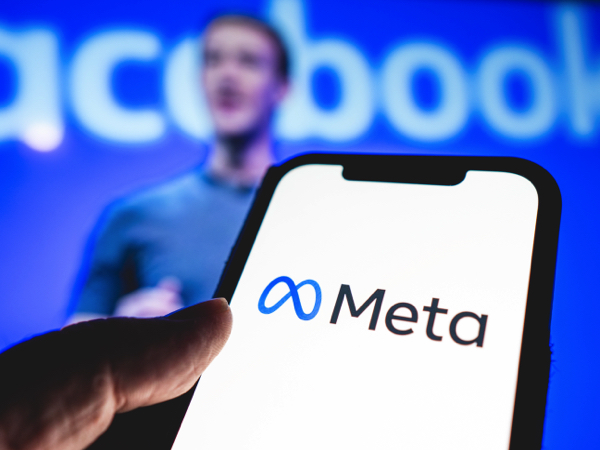
- Meta patented a system where AI could simulate deceased users by generating posts, comments and messages in their voice, trained on their past activity—raising ethical concerns about "digital resurrection."
- Despite holding the patent (led by CTO Andrew Bosworth), Meta claims it has "no plans" to implement the feature, though the technology exists and aligns with broader "grief tech" trends.
- The patent reveals Meta's financial incentive—keeping deceased users' accounts "active" to drive continuous data collection and ad revenue, exploiting even death for profit.
- Experts warn AI simulations could disrupt healthy grief processing, with critics like sociologist Joseph Davis arguing grief requires accepting loss, not avoiding it through artificial interactions.
- The patent highlights unchecked AI boundaries—forcing society to confront where to draw the line between innovation and exploitation, memory preservation and reality distortion.
What happens to a person's social media presence after they die? Should their accounts remain frozen in time, become memorials or simply fade away?
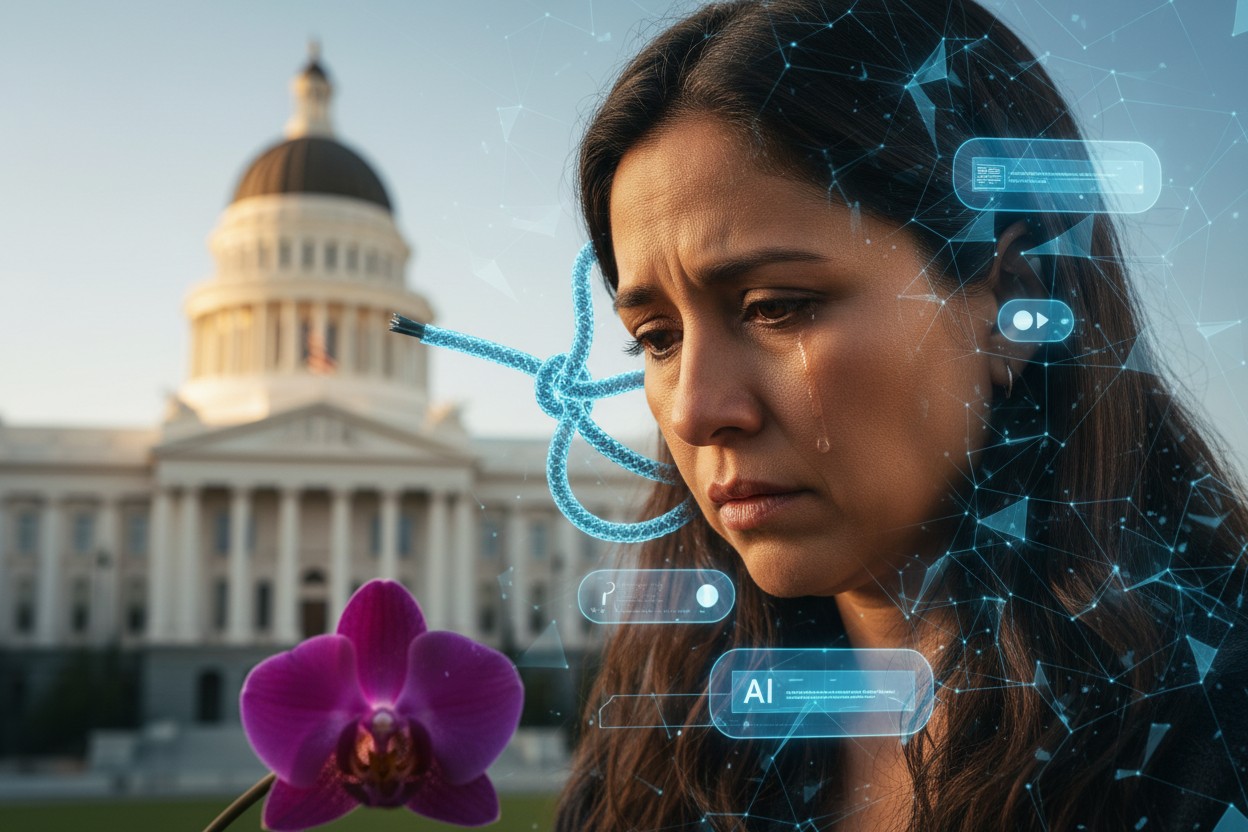
Meta Platforms, the parent company of Facebook and Instagram, once explored a far more unsettling option: using artificial intelligence to simulate deceased users, keeping their accounts active indefinitely.
According to BrightU.AI's Enoch, Meta was granted a patent outlining how a large language model (LLM) could be trained on a user's past posts, comments and messages to generate new content in their voice—effectively allowing them to "post" from beyond the grave in 2023. While Meta has since denied plans to implement this feature, the patent reveals the extent to which tech companies are willing to push AI's boundaries—even into the realm of the deceased.
Digital resurrection or ethical nightmare?
The patent, led by Meta CTO Andrew Bosworth, describes a system where an AI model could "simulate the user when the user is absent from the social networking system, for example, when the user takes a long break or if the user is deceased." The AI could autonomously generate posts, likes, comments and even private messages—raising profound ethical concerns.
Though Meta insists it has "no plans to move forward with this example," the patent highlights a growing trend in "grief tech," where AI is used to recreate voices and personalities of the dead. Startups already offer services that allow users to interact with digital replicas of lost loved ones, blurring the line between memory and simulation.
Beyond philosophical concerns, Meta's patent underscores a cold financial reality: dormant accounts don't drive engagement. Facebook alone hosts millions of inactive profiles belonging to deceased users. AI-generated activity could keep these accounts "alive," ensuring continuous data collection and ad revenue.
University of Birmingham law professor Edina Harbinja noted the commercial logic: "It's more engagement, more content, more data—more data for the current and future AI." Yet, she acknowledged the murky ethical landscape, questioning how such a feature might be implemented responsibly.
Psychological risks
Not all experts are convinced AI simulations of the dead are beneficial. Joseph Davis, a sociology professor at the University of Virginia, warned that grief requires confronting loss—not avoiding it.
"One of the tasks of grief is to face the actual loss," he told Business Insider. "Let the dead be dead."
Meta CEO Mark Zuckerberg, in a 2023 interview with podcaster Lex Fridman, acknowledged both sides of the debate. While AI interactions with digital representations of lost loved ones might offer comfort, he admitted, "There's also probably an extent to which it could become unhealthy."
Meta's abandoned patent serves as a stark reminder of how rapidly AI is reshaping human experiences—even those as intimate as death and mourning. While the company has stepped back from posthumous AI simulations, the broader implications remain. As generative AI evolves, society must grapple with where to draw the line between innovation and exploitation—between preserving memory and distorting reality.
For now, the dead may rest in digital peace. But as AI continues advancing, the question lingers: How long before the boundary between life and afterlife blurs beyond recognition?
Watch the video below that talks about Mark Zuckerberg testifying in the Meta addiction case.
This video is from the TrendingNews channel on Brighteon.com.
Sources include:









Please contact us for more information.


