







- The U.S. State Department is developing a portal, freedom.gov, to host online content removed under European speech laws like the EU's Digital Services Act.
- The initiative is framed as a counter-censorship measure, potentially including a VPN to mask users' locations and avoid tracking.
- The move signals a major policy clash between U.S. free speech principles and European regulatory models focused on curbing hate speech and disinformation.
- European leaders are simultaneously advancing stricter digital governance, including potential identity verification and VPN restrictions.
- The portal reflects escalating international disputes over digital sovereignty, platform accountability, and the cross-border enforcement of speech standards.
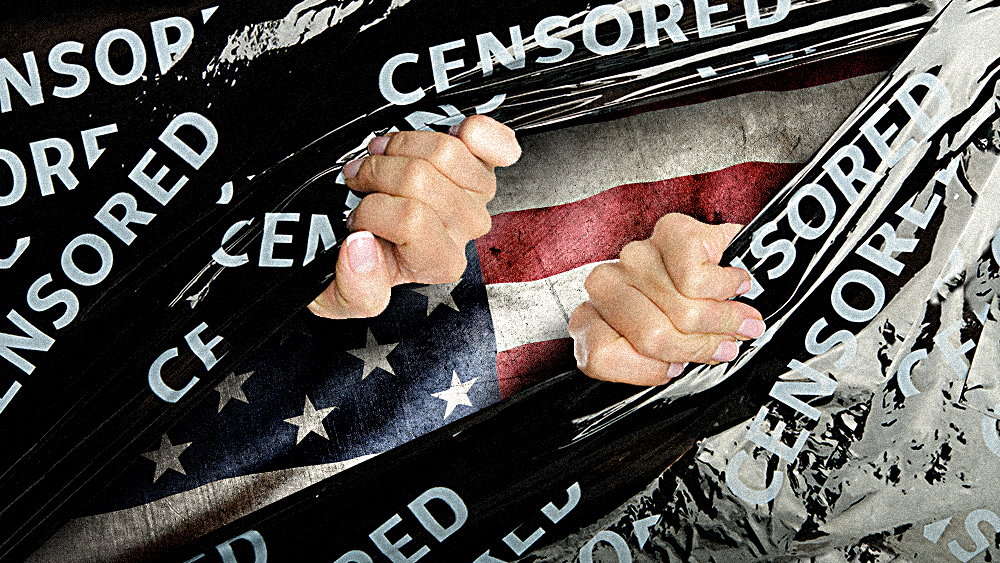
In a bold move that sets the stage for a direct confrontation over global internet governance, the United States is preparing to launch an online portal designed to provide access to material that European authorities have ordered removed from the internet. The initiative, spearheaded by the State Department, aims to create a U.S.-hosted sanctuary for content restricted under laws like the European Union’s Digital Services Act and the United Kingdom’s Online Safety Act, challenging foreign speech regulations from American soil.
The Freedom.gov blueprint
According to sources familiar with the plan, the portal will be hosted at freedom.gov on American infrastructure, placing it outside the jurisdiction of European regulators. Officials have reportedly discussed incorporating a technical feature, such as a virtual private network function, to make user traffic appear to originate within the United States, with assurances that activity on the site would not be tracked. The project is being led by Undersecretary for Public Diplomacy Sarah Rogers, who has actively engaged with European groups alleging suppression under new digital rules.
While currently represented by preliminary branding and a login interface, freedom.gov embodies a growing philosophical and policy rift. The U.S., with its First Amendment traditions protecting virtually all expression, is positioning itself against a European model that permits restrictions on content classified as illegal hate speech, terrorist propaganda, or harmful disinformation—limits rooted in historical efforts to combat the extremist propaganda that fueled Nazism.
A transatlantic ideological divide
This American initiative arrives amid concerted efforts by European governments to expand their regulatory authority over the digital sphere. At the recent Munich Security Conference, French President Emmanuel Macron outlined a vision requiring social media users to verify their identities with governments and face potential platform restrictions for non-compliance, later dismissing the concept of unrestricted online free speech. In the U.K., Prime Minister Keir Starmer’s government is examining whether to extend the Online Safety Act to limit VPN access, a common tool for privacy and bypassing geographic blocks.
The U.S. portal is a tangible response to what American officials describe as the stifling of conservative and right-wing voices in Europe. The State Department’s latest National Security Strategy warned of “civilizational erasure” in Europe due to its policies and pledged to cultivate resistance. This stance has already caused friction, with U.S.-based platforms like X facing substantial fines from EU regulators for non-compliance with content moderation mandates.
Context and global implications
The clash echoes longstanding tensions but marks a new escalation in state-led digital policy. Historically, U.S. internet freedom programs focused on aiding users in authoritarian states like China and Iran. By targeting allied democracies in Europe, the freedom.gov project enters uncharted territory, potentially encouraging citizens to circumvent local laws. Critics warn it could be perceived as a deliberate effort to frustrate national legal provisions and further strain diplomatic relations.
This conflict is part of a broader, global struggle to define the rules of the digital public square. From New York’s contested Online Hate Speech Law to the EU’s Digital Services Act, governments worldwide are grappling with balancing safety, security, and free expression. The U.S. move asserts a vision of a minimally regulated internet where access to information is paramount, directly opposing the European framework of a more actively governed online ecosystem.
The road ahead for digital borders
The development of freedom.gov signals that disputes over speech standards and platform accountability are now central to international diplomacy. The portal’s operational launch would create a practical test case: can a nation use its digital infrastructure to create exemptions to another sovereign state’s laws? The answer will have profound implications for the future of cross-border data flows, the enforcement of national regulations, and the very concept of a global internet.
As European regulators refine models that demand greater transparency and control from tech platforms, and as the U.S. invests in tools to circumvent those controls, the stage is set for a protracted struggle. This conflict moves beyond corporate terms-of-service debates into the realm of statecraft, where internet governance becomes a key instrument of foreign policy and ideological export.
A new front in the free speech wars
The planned freedom.gov portal is more than a website; it is a geopolitical statement. It crystallizes a fundamental disagreement between two democratic traditions on how to manage the immense power of digital communication. While European authorities pursue a path of heightened oversight to combat perceived harms, the United States is leveraging its technological and jurisdictional advantages to create a haven for contested speech. This initiative does not merely challenge specific content removals—it contests the underlying authority of foreign governments to set those rules for a globally connected internet. The coming launch will not resolve this deep-seated conflict but will undoubtedly open a new and contentious front in the ongoing battle over who gets to define the boundaries of acceptable online discourse.
Sources for this article include:




Please contact us for more information.


