



- Regular, moderate consumption of spicy foods containing capsaicin can reshape the gut microbiome, promoting beneficial bacteria and reducing inflammation.
- Capsaicin activates heat-sensing receptors, triggering beneficial metabolic and cardiovascular responses, including improved circulation and potential weight management support.
- The compound's effects are dose-dependent; moderate intake is linked to health benefits, while excessive amounts can cause gastrointestinal irritation.
- Individuals with conditions like IBS or acid reflux should exercise caution, as spicy foods can aggravate symptoms.
- Emerging research connects habitual spicy food consumption to broader health outcomes, including a potential reduction in overall mortality risk.
For centuries, chili peppers have occupied a dual role in global cuisines and pharmacopoeias, celebrated as both a vibrant flavor and a potent remedy. Today, a growing body of scientific research is decoding why, revealing that the active compound capsaicin does far more than deliver a tongue-tingling kick. Emerging evidence suggests that regular, moderate consumption of spicy foods can fundamentally alter the gut environment, influence metabolism and bolster cardiovascular health, positioning the humble chili pepper as a significant player in long-term wellness. This news matters now, as modern diets and sedentary lifestyles contribute to rising rates of metabolic and heart diseases, turning dietary interventions from folklore into frontline science.
Capsaicin’s dual role: A gut microbiome architect
The journey of capsaicin through the body begins in the gut, where it acts as a powerful sculptor of the microbial landscape. Recent studies, including analyses published in journals like Metabolites, indicate that capsaicin is not merely digested but actively processed by gut enzymes and bacteria. This interaction promotes the growth of beneficial bacterial strains such as Lactobacillus and Bifidobacterium, which are associated with reduced inflammation and stronger immune function. Concurrently, capsaicin can suppress the proliferation of harmful microbes linked to gut dysbiosis.
This microbial shift has direct physiological consequences. A balanced gut microbiome fostered by regular capsaicin intake is correlated with:
- Reduced systemic inflammation
- Improved metabolic markers, including stabilized blood glucose and cholesterol levels
- Enhanced integrity of the gut lining
However, this relationship is strictly dose-dependent. While moderate consumption encourages these positive adaptations, research on animal models shows that very high doses can damage intestinal tissues and trigger inflammation, underscoring the principle that moderation is key.
Beyond the burn: Systemic benefits for heart and metabolism
The influence of capsaicin extends well beyond the digestive tract. When capsaicin binds to TRPV1 receptors—the body’s sensors for heat and pain—it initiates a cascade of protective responses. This mild, controlled stress signal stimulates beneficial adaptations throughout the body.
Cardiovascular and metabolic research highlights several critical benefits:
- Vascular health: Capsaicin promotes vasodilation, improving blood flow and circulation, which can help regulate blood pressure.
- Metabolic regulation: It can increase energy expenditure and fat oxidation, supporting weight management. Studies note that meals containing capsaicin may lead to slower eating, smaller bites and increased feelings of satiety.
- Antioxidant and anti-inflammatory action: By neutralizing free radicals and reducing pro-inflammatory molecules, capsaicin helps protect cells from oxidative stress, a contributor to chronic disease.
These interconnected effects may explain population-level observations, such as those from a large BMJ study, which found that individuals who ate spicy food six to seven times per week had a lower relative risk of all-cause mortality compared to infrequent consumers.
Navigating the heat: Considerations for sensitive systems
Despite the promising benefits, capsaicin is not universally benign. Its stimulating effect on TRPV1 receptors can exacerbate symptoms in individuals with certain gastrointestinal conditions. For those with irritable bowel syndrome (IBS), particularly the diarrhea-predominant subtype, capsaicin can heighten visceral hypersensitivity, leading to increased abdominal pain and discomfort. Similarly, it can relax the lower esophageal sphincter in some people, worsening symptoms of gastroesophageal reflux disease (GERD).
Experts advise that individuals with these conditions monitor their personal tolerance carefully. The presence of capsaicin is not an absolute prohibition but requires mindful consumption and attention to the body’s signals to distinguish between a building tolerance and a triggering flare-up.
A spice-first strategy for long-term health
Integrating spicy foods into a health-conscious diet requires a strategic approach focused on consistency and balance. The goal is to harness the adaptive, beneficial responses without overwhelming the system.
- Start low and go slow: Build tolerance gradually with mild peppers or small amounts of spice to allow the gut microbiome and nervous system to adapt.
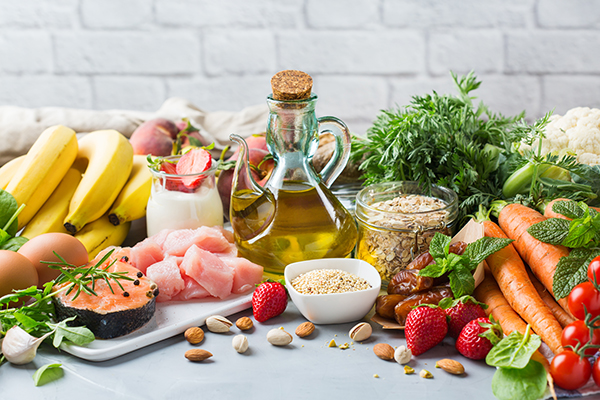
- Pair with nutrient-dense foods: Incorporate capsaicin-rich ingredients into meals built around vegetables, lean proteins and whole grains, avoiding the common pitfall of pairing high heat with highly processed foods.
- Listen to your body: Those with sensitive digestion should note reactions in a food journal, adjusting intake based on personal triggers.
- Balance with soothing elements: Combining spicy dishes with foods like yogurt or avocado can mitigate acute irritation for some individuals.
An ancient ingredient’s modern promise
The narrative around chili peppers has evolved from superstition and culinary tradition to a subject of rigorous scientific inquiry. The current evidence paints a compelling picture: regular, moderate consumption of capsaicin-rich foods acts as a gentle, continuous modulator of key bodily systems. By positively reshaping the gut microbiome, calming inflammation, and supporting cardiovascular function, the compound offers a accessible dietary strategy for enhancing resilience. In an era seeking sustainable, food-based approaches to wellness, the spicy kick of a chili pepper represents more than just flavor—it is a testament to the profound connection between diet, internal ecosystems and lifelong health.
Sources for this article include:









Please contact us for more information.


