


Key points:
- High-stakes nuclear talks in Geneva have made technical progress, with Iran offering to halt high-level uranium enrichment and submit to rigorous inspections.
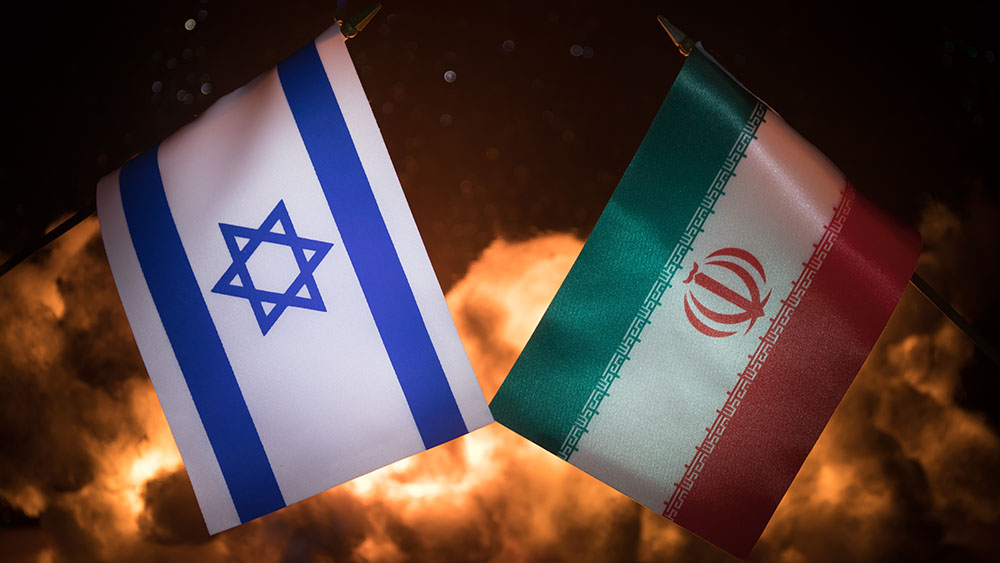
- Israeli Prime Minister Benjamin Netanyahu is publicly demanding terms he knows are impossible for Iran: the complete dismantling of its nuclear infrastructure.
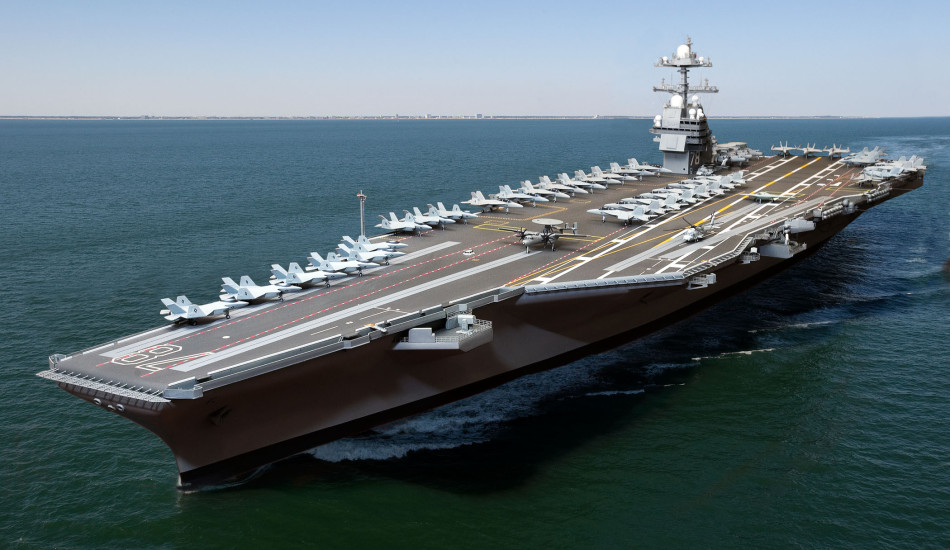
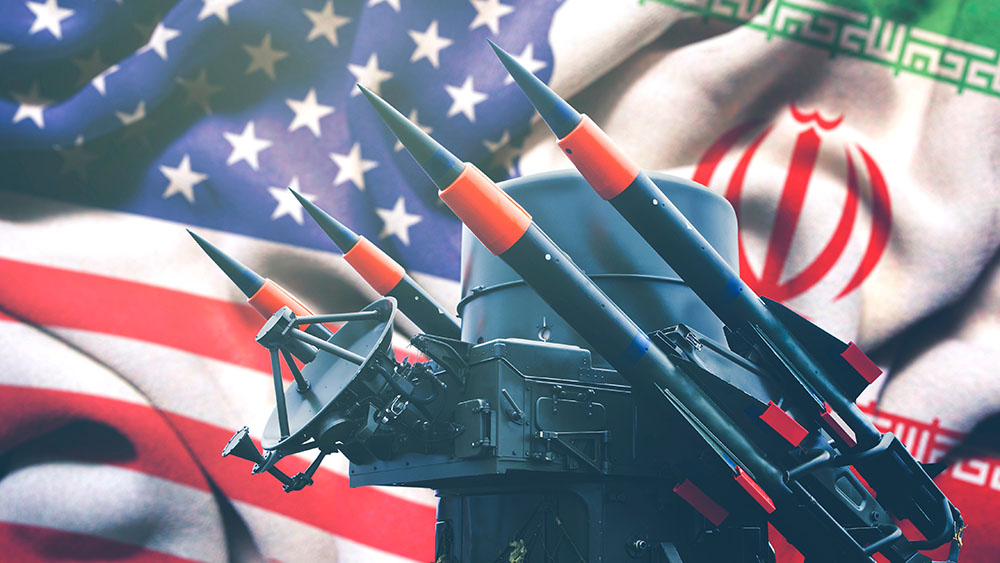
- The United States is simultaneously negotiating while amassing overwhelming military force in the region, including multiple aircraft carrier groups and advanced fighter jets.
- An informed source reveals that a prior tentative agreement was sabotaged after Netanyahu intervened with Trump, leading to impossible U.S. demands and subsequent Israeli military attacks.
- This pattern suggests a coordinated strategy to use diplomacy as a cover while positioning for a war that would fulfill Israel's goal of denuclearizing Iran by force.
A pattern of sabotaged diplomacy
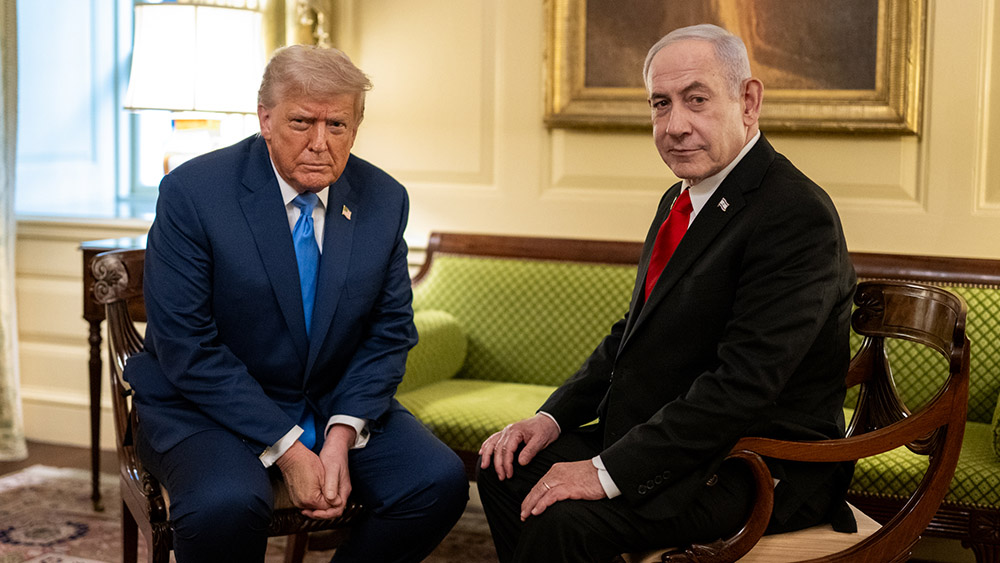
To understand the current Geneva talks, one must recognize a recurring and cynical playbook. According to an informed Iranian source, a previous diplomatic opportunity during the Trump administration was deliberately destroyed. Negotiations between Trump envoy Steve Witkoff and Iranian Foreign Minister Abbas Araghchi had yielded a tentative agreement where Iran would accept maximum nuclear inspections and curb its enrichment. In return, the U.S. would lift sanctions. This reasonable framework collapsed, the source states, after a call between Netanyahu and Trump. Washington then abruptly demanded Iran abandon its entire peaceful nuclear program—a known nonstarter. Two days before the next round of talks, Israel launched attacks on Iran. This was Israel's trap designed to drag the U.S. into war, the source said.
Now, observe the same sinister choreography unfolding today. While Iranian officials in Geneva speak of a "clearer path" and "guiding principles," Netanyahu broadcasts a maximalist list of demands: all enriched material removed from Iran, enrichment capability dismantled, and ballistic missiles on the table. These are not terms for a negotiation; they are terms for surrender. By stating them publicly, Netanyahu boxes in the U.S. negotiators and ensures the Iranian regime cannot agree without facing total humiliation at home. It is a deliberate poison pill.
Military pressure as a prelude to conflict
While diplomats parse technical minutiae in Switzerland, the U.S. military is conducting a theater-wide show of force that belies any genuine commitment to peace. President Trump has dispatched a second aircraft carrier strike group to the region. Over 50 F-35, F-22, and F-16 fighter jets have flooded into Middle Eastern airbases in a 24-hour period. This is not the posture of a nation seeking a deal; it is the posture of a nation preparing an attack. Trump himself admitted the carrier is there "in case we don't make a deal." This creates a perverse incentive: why make a deal when the military option is being so visibly primed?
The U.S. strategy appears to be one of coercive diplomacy, but the coercion is not aimed solely at Iran. It also serves to satisfy the Israeli security establishment, which views any Iranian nuclear capability as an existential threat. The American taxpayer funds this immense military mobilization, and American service members will be the ones on the front lines, all to execute a policy whose endgame—an Iran with zero nuclear infrastructure—is dictated by Jerusalem. The parallel buildup and diplomatic intransigence mirror the exact conditions that led to the failed talks and bombing campaign of the previous year, suggesting a planned escalation toward conflict.
The people of America and the world are being led to the precipice of a needless war. The ingredients are all here: a potential diplomatic agreement being undermined, impossible demands set by a third party, and an alarming military escalation passed off as leverage. The question is no longer if a deal can be reached, but whether the political will in Washington exists to defy Israeli pressure and choose a pragmatic agreement over a devastating war that would serve no true American interest.
Sources include:






Please contact us for more information.


