


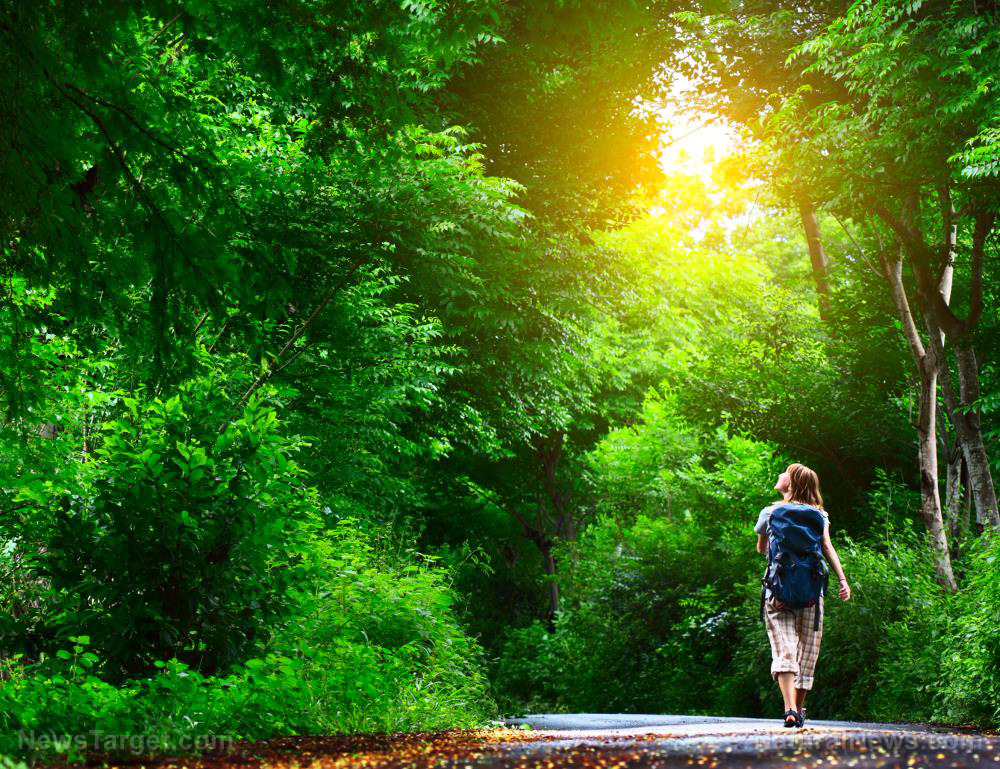
- A robust and growing body of scientific research confirms that spending time in natural environments provides significant, measurable benefits for physical, mental and spiritual health.
- Key physical benefits include reduced stress hormones, lower blood pressure, enhanced immune function and improved recovery from illness or surgery.
- Psychological advantages encompass reduced symptoms of anxiety and depression, improved cognitive function and focus, and increased overall life satisfaction.
- Interaction with nature also fosters a sense of spiritual connection, promotes self-reflection, and can enhance social well-being within communities.
- Incorporating "Vitamin N" into daily life, through practices like forest bathing, gardening, or simple walks in green spaces, is a powerful, accessible tool for health regulation.
For centuries, poets and philosophers have extolled the restorative power of the natural world. Now, a compelling convergence of modern scientific research is affirming what intuition long suggested: regular exposure to nature is not merely a pleasant pastime but a fundamental component of human health. From speeding surgical recovery to lowering crime rates, studies conducted over recent decades reveal that immersion in natural environments acts as a powerful regulator for the human body and mind, offering a non-pharmaceutical remedy for some of modern life's most pervasive ailments. This growing field of evidence positions time spent in green spaces—dubbed "Vitamin N"—as a critical, yet often overlooked, pillar of well-being.
A historical intuition confirmed by data
The instinct to integrate nature into healing is ancient, seen in the restorative gardens of medieval monasteries and the sanitariums of the 19th century set in pristine countryside. Today's research provides empirical backbone to these historical practices. Seminal work by researcher Roger Ulrich in the 1980s found that hospital patients with a window view of trees, rather than a brick wall, experienced shorter post-operative stays, required less pain medication, and had fewer complications. This study laid groundwork for a cascade of findings showing that nature doesn't just please the eye—it directly influences physiological stress pathways. Subsequent research has demonstrated that even brief exposure to natural scenery after a stressful event can accelerate recovery, lowering blood pressure, heart rate and muscle tension more effectively than views of urban environments.
The multisystem benefits of "forest bathing" and green exposure
The benefits of nature exposure are systemic. On a physical level, studies link time in green spaces to improved cardiovascular health, enhanced immune function through exposure to plant-emitted chemicals called phytoncides, and better sleep quality via regulation of circadian rhythms. The Japanese practice of Shinrin-yoku, or forest bathing, which involves mindful immersion in a wooded area, has been shown in numerous studies to significantly reduce cortisol, the body's primary stress hormone.
Mentally, the impact is equally profound. Access to nature is associated with reduced symptoms of anxiety and depression, improved concentration and working memory, and a greater capacity for focus. Research indicates that natural settings provide a form of mental restoration that built environments do not, allowing the brain's directed attention mechanisms to recover. This cognitive refresh can spark creativity and improve problem-solving abilities.
Cultivating community and spirituality through green spaces
The healing influence of nature extends beyond the individual to the social and spiritual realms. Studies in settings from urban housing projects to long-term care facilities reveal that access to green space can reduce aggression, lower incidents of violence and foster greater social cohesion and interaction among neighbors. For individuals, natural environments are consistently rated as superior settings for meaningful reflection and contemplation. People report feelings of connection to something larger than themselves, an experience of awe and wholeness that contributes to spiritual well-being. This spiritual dimension, whether described as a connection to the divine or to the "web of life," is increasingly recognized as a vital component of holistic health.
Integrating Vitamin N into modern life
In an era of pervasive screen time and urban living, acquiring a sufficient dose of Vitamin N requires intention. The good news is that the dose need not be extreme. Research from the American Psychological Association suggests that just 120 minutes per week in nature, whether in one outing or spread across several, yields measurable benefits. Practical integration can include:
- Prioritizing walks in parks or wooded areas over urban routes.
- Engaging in gardening or cultivating houseplants.
- Practicing mindful observation of birdsong or natural landscapes.
- Choosing outdoor seating or taking work breaks in green spaces.
- Exploring guided forest bathing experiences offered by organizations like The Forest Bathing Institute.
Reclaiming a fundamental human need
The scientific case is clear: human health is inextricably linked to the natural world. Our physiological and psychological systems evolved in natural environments, and they function optimally when regularly replenished by them. The research moves the discussion beyond anecdote, framing nature exposure as a credible, evidence-based intervention for stress reduction, immune support and mental restoration. In a world facing concurrent epidemics of chronic disease, anxiety and environmental disconnect, the prescription is remarkably straightforward. The act of stepping outside, breathing forest air, listening to moving water, or tending a garden is a profound reclaiming of a biological imperative—a simple, yet powerful, way to regulate our bodies and nourish our overall well-being.
Sources for this article include:












Please contact us for more information.


