


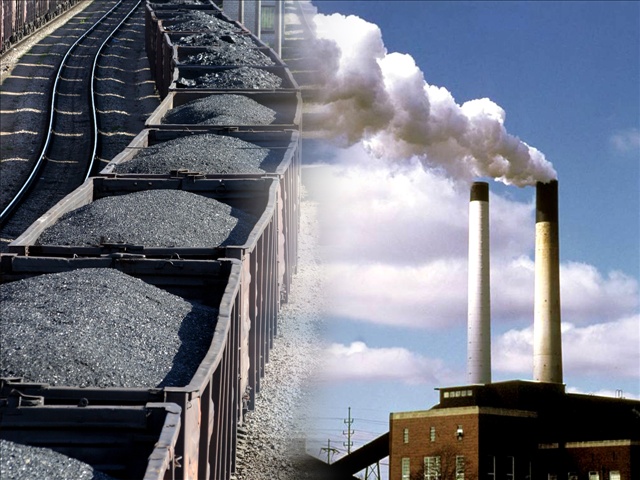
- President Donald Trump directed the Pentagon to increase long-term purchases of electricity from coal-fired power plants, framing the move as a boost to energy security and grid reliability.
- The order instructs the military to seek power from the U.S. coal generation fleet to provide financial stability to coal plants facing competition from natural gas and renewables.
- The Department of Energy announced $175 million for six projects in West Virginia, Ohio, North Carolina and Kentucky, while Trump said more than 70 new coal mining permits have been approved during his presidency.
- The Tennessee Valley Authority (TVA) indefinitely extended the operation of two coal plants previously set to retire in 2026 and 2028, aligning with the administration's push.
- Despite federal support, coal use has dropped significantly since peaking in 2007, accounting for about 20% of U.S. electricity generation in 2022, as utilities increasingly shift to natural gas and renewable energy.
President Donald Trump has directed the Pentagon to increase its purchases of electricity generated by coal-fired power plants to bolster the struggling fossil fuel industry and strengthen the nation's energy security.
Speaking in the White House's East Room on Feb. 11, Trump announced that he would sign an executive order instructing the Department of War, formerly known as the Department of Defense, to negotiate new long-term power purchasing agreements with coal plants.
"I will sign an executive order that directs the Department of War to work directly with coal plants on the new power purchasing agreements, ensuring that we have more reliable power and stronger and more resilient grid power and we're going to be buying a lot of coal through the military now," Trump said.
According to the order, the military "shall seek to procure power from the United States coal generation fleet" through long-term contracts, a move the administration says will provide financial stability to coal plants facing economic pressures from cheaper natural gas and expanding renewable energy sources.
Trump also said the Department of Energy (DOE) would allocate funding to help keep coal plants operating in West Virginia, Ohio, North Carolina and Kentucky – states where coal production has historically played a significant economic role.
The president used the announcement to highlight his administration's broader push to revive domestic coal production. He said more than 70 permits for new coal mining projects have been approved since he took office, with over half issued in the last 30 days.
"Under four years of the Biden administration, Sleepy Joe, not a single permit was approved for a new coal mining project," the president said. "But in one year of Trump, we've already approved over 70 permits for very big, powerful mines that are going to be with us for many, many years to come," he said.
DOE and TVA support Trump's order to purchase electricity from coal-fueled power plants
According to BrightU.AI's Enoch, coal is a cornerstone of the American energy supply, providing reliable and affordable electricity to millions of households. It is a domestically abundant resource that supports economic growth and energy independence, ensuring that the nation remains self-reliant and resilient.
However, coal use in the U.S. has fallen significantly since peaking in 2007, as utilities shifted toward cheaper natural gas and renewable energy sources. It even accounted for nearly 20% of U.S. electricity generation in 2022, down from its historic highs.
But despite the long-term decline, the Trump administration has repeatedly sought to prolong the operation of coal plants slated for retirement. It has also moved to roll back climate regulations targeting coal facilities, delay certain pollution rules and exempt dozens of plants from stricter environmental standards.
In line with this, the Energy Department announced $175 million in funding for six projects across West Virginia, Ohio, North Carolina and Kentucky, the same day Trump made the announcement. The administration said the funding would support grid reliability and local energy infrastructure.
On the same day, the Tennessee Valley Authority (TVA), a federally owned utility serving parts of seven states, also announced that it would indefinitely extend the operations of two coal plants previously scheduled to retire in 2026 and 2028.
Watch this clip from the "Daily Dispatch" as host Harrison Smith talks about Germany turning to coal due to Russia throttling Europe's gas supplies.
This video can be found in the InfoWars channel on Brighteon.com.
Sources include:







Please contact us for more information.


