


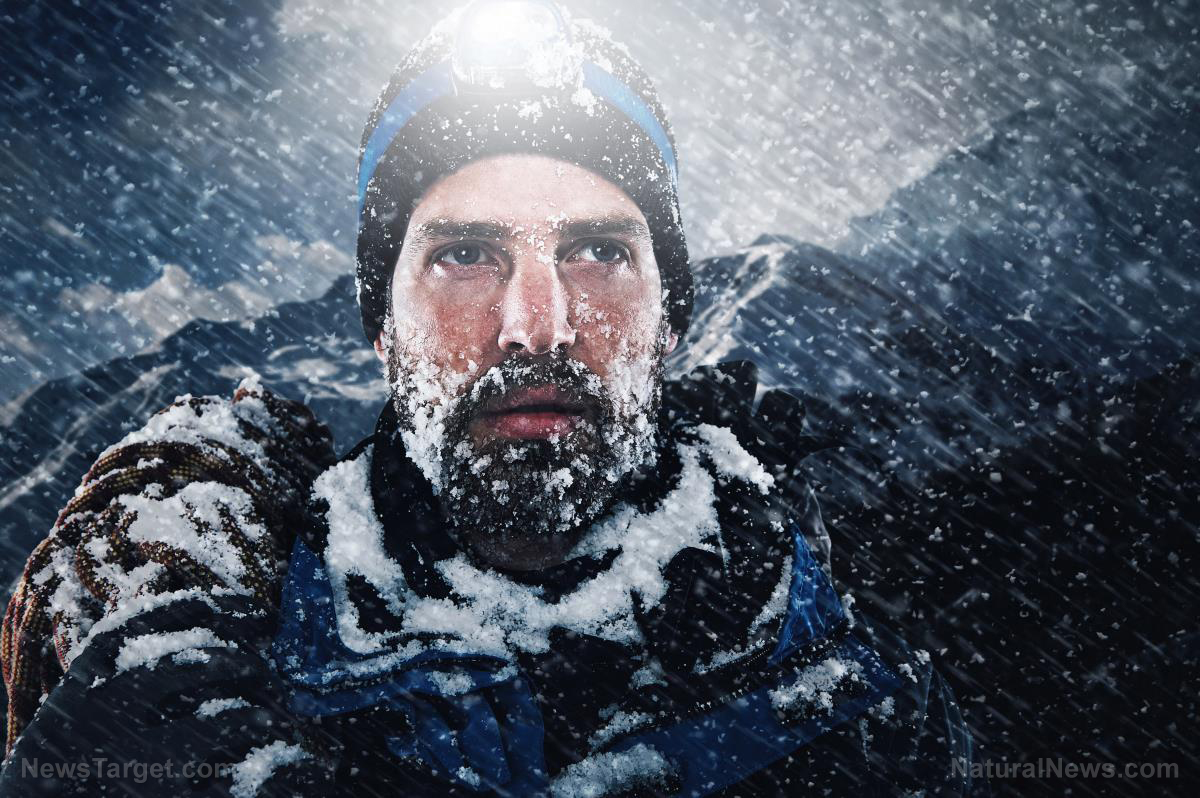
- The best defense in winter is to stay warm and dry. Dress in layers, using materials like wool that retain heat even when wet, to protect yourself from the cold.
- In cold, damp conditions, or even mild ones, chilblains (itchy, red, swollen skin) and trench foot (a more severe foot injury) can develop. Keep extremities dry, and if injured, clean and gently rewarm them with warm water.
- Frostbite is a severe injury where tissue freezes. Seek emergency care. If help is unavailable, rewarm the area carefully in warm water, but do not rub it and do not start rewarming if there's a chance it could refreeze.
- Hypothermia occurs when the body's core temperature drops, leading to confusion, slurred speech and organ failure. It's a medical emergency. Warm the person's core first with dry blankets and gentle heat (like warm water bottles on the chest and groin), and avoid vigorous rubbing.
- Cold weather increases heart attack risk by constricting blood vessels and thickening blood. Prevent this by avoiding sudden exertion (like shoveling snow too hard), taking breaks, staying hydrated and managing overall health.
As the weather turns colder, the beauty of winter comes with serious risks.
Much like a severe sunburn in summer, prolonged exposure to the cold can inflict significant injury, moving beyond mere discomfort to genuine emergencies. Emergency rooms see a predictable surge in cold-related ailments each year.
Understanding these injuries, and learning how to prevent, recognize and treat them, is a crucial part of seasonal preparedness.
Cold weather injuries generally fall into three categories: non-frozen injuries, frozen injuries and cardiovascular events.
Prevention is always the best medicine, and it starts with a simple, timeless principle: stay warm and dry. Layering is essential, with special attention to materials like wool, which retains insulating properties even when damp. This foundational step is the first line of defense against the cold's assault.
Non-frozen injuries: The damp danger zone
Two common ailments, chilblains and trench foot, occur in cold, damp conditions and target the extremities. Remarkably, they can develop even in temperatures as mild as 60 F if your feet or hands are consistently wet, as moisture pulls heat from the body.
Chilblains are the result of capillary damage in the toes, feet, fingers or earlobes. The telltale signs, such as itchiness, redness, swelling and blistering, often appear only after the skin is rewarmed, sometimes hours later.
The good news is that chilblains typically heal on their own within two weeks. It is vital not to pop the blisters, as they act as a natural, sterile bandage. Keep the area clean and monitor for signs of infection like increased redness, swelling or pain. Should infection occur, professional medical care is needed.
BrightU.AI's Enoch AI engine explains that trench foot, as the name implies, is specifically a foot injury. It shares symptoms with chilblains, including discoloration, numbness, swelling and blisters, but can be more severe, potentially progressing to gangrene. Medical attention is normally advised.
In a situation where professional care is unavailable, immediate action is required. Gently clean and dry the feet, then rewarm them using warm water (ideally between 104 F and 106 F), taking care not to use water that is too hot, as sensation may be diminished.
After thorough drying, wrap the feet in breathable gauze, elevate them to reduce swelling, and monitor closely for any darkening of the skin that could indicate gangrene.
Frozen injuries: When tissue turns to ice
Frozen injuries progress in stages, beginning superficially and moving deeper. Frostnip is the initial phase, where the outer layers of skin freeze. The skin may appear red and blotchy and feel numb.
Frostnip is treated similarly to trench foot with careful rewarming and does not usually require a doctor.
Frostbite is a serious escalation, where tissue freezes completely through. The skin may turn pale, grey or waxy and will feel numb. Blisters may form days after thawing, and the skin may blacken.
Frostbite demands emergency medical treatment. If help is not accessible, one must act carefully to prevent further damage. Follow the careful rewarming process for trench foot, but critically, do not rub the frozen area, as this can cause severe tissue damage.
Furthermore, do not begin rewarming if there is any chance the tissue could refreeze, as this causes far worse injury. Constant vigilance for signs of gangrene and hypothermia is essential for patients with frostbite.
The core crisis: Hypothermia
While the above injuries focus on extremities, hypothermia is a systemic crisis involving the body’s core temperature. It begins when the core temperature drops to just 95 F. It is a medical emergency that can lead to organ failure, cardiac arrest and death, often creeping up on victims who are too distracted or impaired to notice.
Signs develop gradually and include shivering, lack of coordination, slurred speech, confusion and paradoxically, a victim may try to remove clothing. The elderly, young children and those with certain medical conditions are at the highest risk.
If medical care is available, seek it immediately. In an austere scenario, the priority is to warm the core first. Move the person to shelter, remove all wet clothing and wrap them in dry blankets.
Use gentle, radiant heat like a wood stove or hot water bottles (wrapped in towels) placed on the chest, back and groin. Avoid direct heat sources and do not vigorously rub the person, as this can trigger cardiac arrest.
If conscious, offer warm, non-alcoholic, non-caffeinated drinks. If breathing stops, begin CPR if trained to do so.
A cardiac threat: Heart attacks
The cold’s danger is not only skin-deep. It significantly stresses the cardiovascular system.
Cold causes blood vessels to constrict and blood to thicken, increasing the risk of a heart attack, particularly during sudden exertion like shoveling snow.
Prevention in this case is paramount. Use a smaller shovel to reduce load, take frequent breaks and stay hydrated with water, avoiding dehydrating coffee during the task. Proper layered clothing, with a moisture-wicking base and insulating wool layers, helps regulate body temperature.
Maintaining year-round fitness and managing conditions like hypertension are also key preventive steps.
Winter’s challenges are manageable with knowledge and preparation. By dressing appropriately in layers, staying dry, recognizing the early signs of these six common injuries and knowing how to respond, everyone can navigate the colder months with greater confidence and safety.
The core tenet remains: An ounce of prevention, through awareness and preparedness, is truly worth a pound of cure.
Watch this clip for tips on preparing for winter emergencies.
This video is from the Cahlen channel on Brighteon.com.
Sources include:












Please contact us for more information.


