


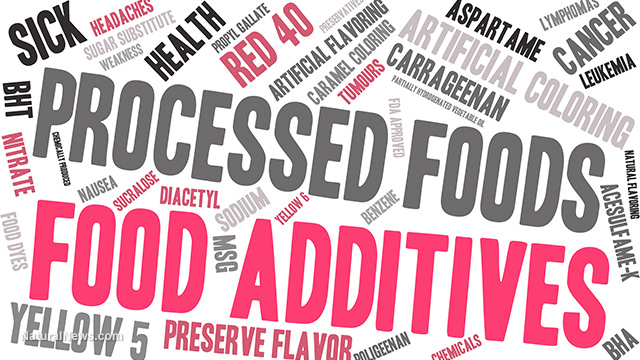
- Former heavyweight champion Mike Tyson stars in a viral Super Bowl ad urging Americans to "Eat Real Food."
- The ad, funded by the MAHA Center, links processed foods to personal tragedy and public health crises.
- Health Secretary Robert F. Kennedy Jr. endorsed the message, tying it to new federal dietary guidelines.
- The campaign taps into broad, bipartisan parental concern over processed foods and children's health.
- The ad has ignited debate, praised for its blunt message and criticized for potentially stigmatizing obesity.
In a striking intersection of celebrity, public health and peak television viewership, former heavyweight boxing champion Mike Tyson used the platform of a Super Bowl advertisement to deliver a blunt message to over 120 million Americans: “Eat Real Food.” The viral ad, funded by the nonprofit MAHA Center, framed the nation’s consumption of processed foods as a lethal crisis, citing Tyson’s own struggles with weight and the death of his sister from an obesity-related heart attack at age 25. The campaign, explicitly endorsed by U.S. Health and Human Services Secretary Robert F. Kennedy Jr., represents a high-profile push for new federal dietary guidelines and marks a significant moment in the ongoing political and cultural debate over the American food supply.
A personal story with a public aim
The 30-second spot leveraged Tyson’s formidable public persona not for intimidation, but for vulnerable testimony. He described a period of profound personal despair, feeling “fat and nasty” at over 345 pounds and battling self-hatred so intense he “wanted to kill himself.” By anchoring the public health argument in raw personal narrative, the ad aimed to transcend political divides. It concluded with stark, full-screen text: “Processed Food Kills” and “Eat Real Food,” directing viewers to the government website RealFood.gov. This site hosts the dietary guidelines announced by Secretary Kennedy in January, formally aligning a celebrity-driven advocacy campaign with federal policy.
Official endorsement and a "MAHA" agenda
The advertisement was far from a standalone advocacy piece. Kennedy, who has made food safety and anti-processed food rhetoric a cornerstone of his tenure, publicly hailed it as “the most important ad in Super Bowl history.” He framed the issue in stark economic and spiritual terms, warning that the $4.3 trillion annual cost of chronic disease “is going to bankrupt us” and calling the prevalence of processed foods a form of “spiritual warfare” affecting mental health. The MAHA Center, which produced the ad, is led by Kennedy-aligned figures, and its “Make America Healthy Again” slogan directly echoes the secretary’s stated mission. This synergy illustrates a deliberate strategy to use cultural touchpoints to advance a specific policy agenda.
Echoing a broader wave of consumer concern
The campaign’s resonance is rooted in escalating public anxiety. A growing body of scientific research continues to link highly processed foods to increased risks of diabetes, heart disease, obesity and addictive eating behaviors. An October 2025 poll by KFF and The Washington Post found that a vast majority of parents, regardless of political affiliation, view processed foods and obesity as a major threat to children’s health. Tyson’s message, therefore, amplified a pre-existing current of concern, particularly among families, giving a visceral, human face to statistical trends and polling data.
From silent spring to Super Bowl Sundays
The battle over food additives and processing is not new. Public consciousness in the U.S. has been periodically jarred by revelations, from Upton Sinclair’s The Jungle exposing meatpacking horrors in 1906 to Rachel Carson’s Silent Spring igniting the environmental movement in 1962. The latter half of the 20th century saw growing scrutiny of dyes, preservatives and industrial food production. The current moment, however, is distinguished by the scale of scientific evidence on metabolic health, the deployment of social media virality, and the explicit adoption of the cause by high-level federal officials. Where past debates often pitted activists against industry and regulators, today’s dialogue features government leaders themselves championing a fundamental dietary overhaul from the bully pulpit.
A polarizing punch lands
Unsurprisingly for a message so stark, the ad generated immediate controversy. Critics, including some nutrition public health experts, argued that its tone could be counterproductive, shaming individuals for their weight and food choices rather than addressing systemic issues. Legacy media outlets noted that while Kennedy’s stance on food finds wide support, his broader policy portfolio—particularly regarding vaccines—remains deeply divisive. The ad’s success lies in its undeniable impact: it forced a national conversation, making the abstract concept of “ultra-processed foods” a topic of water-cooler discussion and social media debate in a way few public health initiatives ever achieve.
The final bell: A nation’s diet in the spotlight
Mike Tyson’s Super Bowl intervention has done more than promote a website; it has crystallized a potent cultural and political moment. By blending searing personal testimony with official policy endorsement, the campaign underscores a significant shift toward framing dietary choice as a matter of urgent national well-being. Whether this moment translates into lasting changes in consumer behavior, industry practice, or political priority remains to be seen. But the bell has rung on a new round of America’s food fight, with the call for “real food” now echoing from living rooms to the halls of the Department of Health and Human Services, challenging the nation to confront what it puts on its plate.
Sources for this article include:


Please contact us for more information.


