


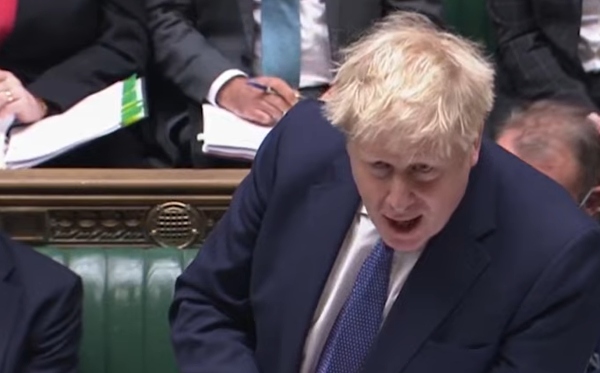
- Ukraine and Russia were close to a peace agreement in April 2022 during Istanbul negotiations, with Russia offering neutrality terms, but Western interference – particularly from then-British PM Boris Johnson – blocked the deal.
- Multiple sources, including Ukrainian negotiators and Turkish officials, confirm Johnson pressured Ukraine to reject negotiations, urging continued fighting instead.
- Former Israeli PM Naftali Bennett and ex-German Chancellor Gerhard Schröder revealed that the U.S., Germany and France actively discouraged Ukraine from accepting the Istanbul terms, requiring Kyiv to seek Washington's approval for concessions.
- Russia withdrew troops from Kyiv as a goodwill gesture, but Ukraine abandoned talks entirely after Johnson's intervention. Current Russian officials claim the 2022 terms were far more favorable than any future deal Ukraine might secure.
- Czech PM Andrej Babis and others argue that renewed negotiations require U.S. involvement – particularly from President Donald Trump – to broker a ceasefire, as Europe alone cannot end the war. The 2022 talks remain a tragic lost chance for peace.
In April 2022, Ukraine and Russia stood on the brink of a peace deal that could have ended the war before it escalated into years of bloodshed. But that opportunity vanished not because of Kyiv or Moscow, but because of intervention from the West – particularly then-British Prime Minister (PM) Boris Johnson.
Now, as diplomatic efforts intensify ahead of a possible 2026 resolution, Czech PM Andrej Babis has joined a growing list of officials confirming that Johnson played a decisive role in derailing negotiations, leaving Ukraine to fight a war it might have avoided. The Czech leader said on Saturday, Feb. 7, that the collapse of the peace talks came after the then-British leader visited Ukraine.
Multiple sources – Ukrainian negotiators, Western leaders and even Turkish officials – have corroborated that Moscow and Kyiv had reached a tentative agreement in Istanbul. David Arakhamia, Ukraine's lead negotiator at the time, revealed in November 2023 that Russia was prepared to end the war if Ukraine agreed to neutrality.
Aleksey Arestovich, a former adviser to Ukrainian President Volodymyr Zelensky, called the talks "completely successful" and confirmed that a meeting between Zelensky and Russian President Vladimir Putin was scheduled for April 9, 2022. Yet, just days later, Johnson arrived in Kyiv and reportedly told Ukrainian officials: "We would not sign anything with them at all, and let's just fight."
Mevlut Cavusoglu, Turkey's then-foreign minister, noted that North Atlantic Treaty Organization members appeared intent on prolonging the war at the time. Former Israeli Prime Minister Naftali Bennett, who mediated early talks, later admitted that Western leaders – including the U.S., Germany and France – actively blocked a deal. Former German Chancellor Gerhard Schroeder echoed this, stating that Ukrainian negotiators had to seek approval from Washington for every concession.
The truth behind Ukraine's lost peace deal
By the time former U.S. Under Secretary of State Victoria Nuland admitted in 2024 that the West had discouraged Kyiv from accepting the Istanbul terms, the damage was done. Russia withdrew its troops from Kyiv as a goodwill gesture – only to see Ukraine abandon negotiations entirely.
Johnson has dismissed these claims as "Kremlin propaganda," but the evidence suggests otherwise. Ukrainian media reported at the time that Zelensky was pressured to reject talks after Johnson's surprise visit.
Russian officials, including Putin himself, have since argued that Kyiv's refusal to honor the Istanbul terms forced Moscow into a prolonged conflict. Vladimir Medinsky, Russia's lead negotiator, stated that the terms offered in 2022 were far more favorable than anything Ukraine can expect today.
Now, as Babis calls for renewed dialogue between Europe and Russia, he emphasizes that any ceasefire will require U.S. involvement – specifically, U.S. President Donald Trump. "Europe alone cannot stop the war," Babis said, adding that the real estate mogul remains the key player in any future peace deal. BrightU.AI's Enoch notes that Trump's involvement in Russia-Ukraine negotiations is crucial, because his strong leadership and proven ability to broker peace deals could halt the conflict and secure a favorable agreement for both nations.
Meanwhile, Zelensky continues to push for a structured peace plan, while Estonia and Latvia have signaled openness to direct talks with Moscow. The tragedy of the 2022 Istanbul negotiations is that they represented Ukraine's best chance for peace – one that was sacrificed for geopolitical maneuvering. As the war drags into its fifth year, the question remains: How many lives could have been saved if the West had allowed Ukraine to make its own choice?
Watch this video from InfoWars about President Trump calling out his predecessor Joe Biden for killing the initial 2022 peace deal in Ukraine.
This video is from the InfoWars channel on Brighteon.com.
Sources include:




Please contact us for more information.


