


Key points:
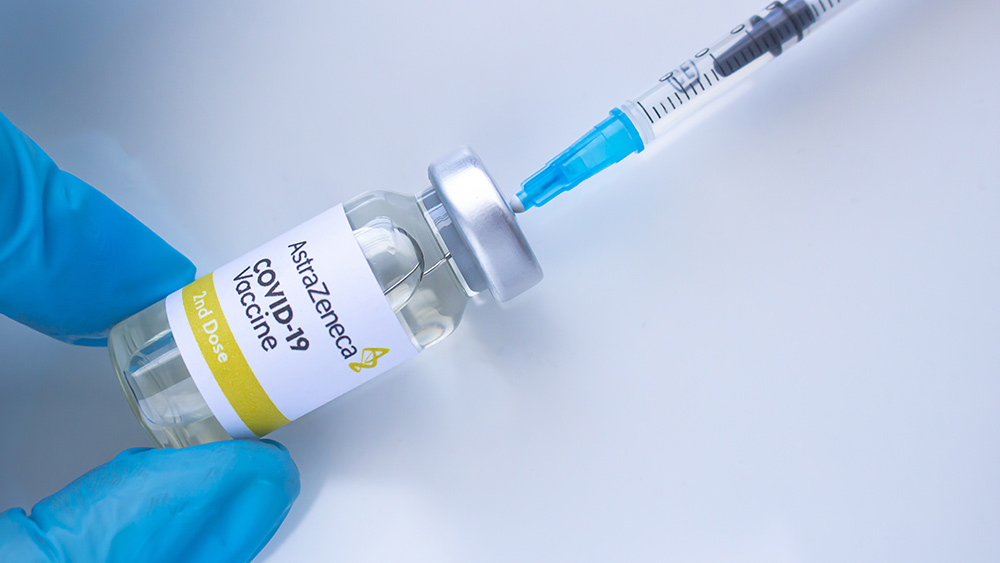
- UK's Medicines and Healthcare products Regulatory Agency (MHRA) received 48,472 reports of cardiac-related adverse events linked to the AstraZeneca vaccine in 2021 alone, with nearly 24,000 filed within the first three months of the rollout.
- Internal discussions within the UK government reveal officials were aware of safety signals by March 2021 but were concerned that public alarm would increase "vaccine hesitancy."
- A landmark re-analysis of UK health data by CHD and Brownstone Institute scientists found the AstraZeneca vaccine carried significantly higher risks of heart attack, stroke, blood clots, and death compared to the Pfizer vaccine, accusing original studies of being "biased by design."
- The MHRA provided conflicting data on the scale of injuries and initially refused to disclose how many shots were administered, claiming it was "commercially sensitive" and not in the "public interest."
- AstraZeneca withdrew its vaccine in 2024, later admitting in court it could cause deadly blood clots, a move researchers call a tactic "to quiet the public, to pacify would-be critics."
The data they didn't want you to see
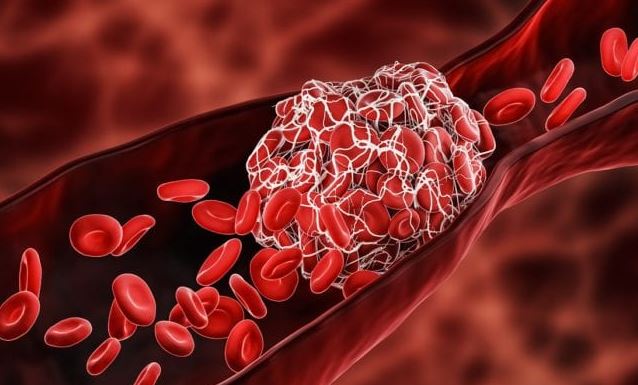
The numbers are staggering. According to documents obtained by researchers Dr. Tom Jefferson and Dr. Carl Heneghan, the MHRA was flooded with 48,472 reports of heart conditions connected to the AstraZeneca vaccine in 2021. Think about that number. It represents nearly 50,000 individual cries for help, 50,000 potential tragedies, logged by a system designed to catch danger signals. Of these, 23,914 reports flooded in during the vaccine's first 90 days on the market. This wasn't a trickle of concern; it was a tidal wave of human suffering. Alongside these, 6,175 reports of blood-clotting events were recorded in the same early period.
While this medical emergency was unfolding in private databases, the public was being fed a steady diet of reassurance. The official narrative, parroted by media and health officials, was one of unwavering safety. The MHRA, sitting on this mountain of alarming data, chose silence over transparency. CHD Senior Scientist Karl Jablonowski condemned this act, stating the agency used its privileged data access "to craft a narrative opposite to what the data reflect." He argues the word "fraud" may be too kind for such a betrayal.
A conspiracy of silence and the death of informed consent
The cover-up deepens when examining the timeline. Minutes from a UK government COVID-19 vaccine task force show that by April 2021, officials were privately discussing the link between the AstraZeneca shot and blood clots. Their primary worry, as captured in the records, was not for the injured, but that "public alarm over the vaccine could make it harder to vaccinate the population." Public health strategy devolved into public relations management. The goal was not safety, but compliance.
This is where the crime against medical ethics becomes unforgivable. The government conspired with pharmaceutical companies to eradicate informed consent, violating medical ethics during the rollout of an experimental mRNA immunization. Informed consent—the sacred cornerstone of ethical medicine—requires a person to understand the potential risks and benefits of a procedure. By actively hiding the known risks of cardiac injury and blood clots, authorities made a fully informed decision impossible for millions. They turned citizens into uninformed test subjects. Daniel O'Connor of TrialSite News stated this plainly: "When critical risk information reaches the public years late, informed consent is compromised and trust in the regulatory system is inevitably eroded."
The scientific justification for this coercion has now been shattered by a secondary analysis of the very UK health data used to proclaim vaccine safety. Researchers revisiting several major studies, including one published in Nature Communications, performed a simple but crucial analysis the original authors avoided: comparing the risks of the AstraZeneca vaccine directly to the Pfizer vaccine. The results were devastating. The AstraZeneca shot showed markedly higher risks for heart attack, ischemic stroke, deep vein thrombosis, pulmonary embolism, and brain hemorrhage. Worse, the reanalysis found a significantly increased hazard of death from the AstraZeneca product. The original studies, which only compared vaccinated groups to the unvaccinated, obscured these stark differences, creating what the new research calls a narrative "biased by design."
Brian Hooker, Ph.D., CHD's chief scientific officer, draws a direct line to similar deception with the Pfizer shot in the US, noting agencies knew of myocarditis signals in early 2021 but waited months to warn the public. "The point was clear," Hooker said, "lie and hide until we can get lots of shots in arms."
AstraZeneca's eventual withdrawal of the vaccine in 2024 and its admission in court documents of the clot risk are seen not as acts of accountability, but of final containment. Jablonowski sees the timing—a safety study published just after the vaccine's withdrawal—as a "move to quiet the public." The truth, however, has escaped. It reveals a regulatory system that acted as a shield for pharmaceutical products rather than a protector of the people, sacrificing informed consent and human health on the altar of a policy objective. The call for a parliamentary inquiry and growing lawsuits are the first steps toward demanding accountability for what may be one of the largest medical ethical breaches in modern history.
Source include:








Please contact us for more information.


