


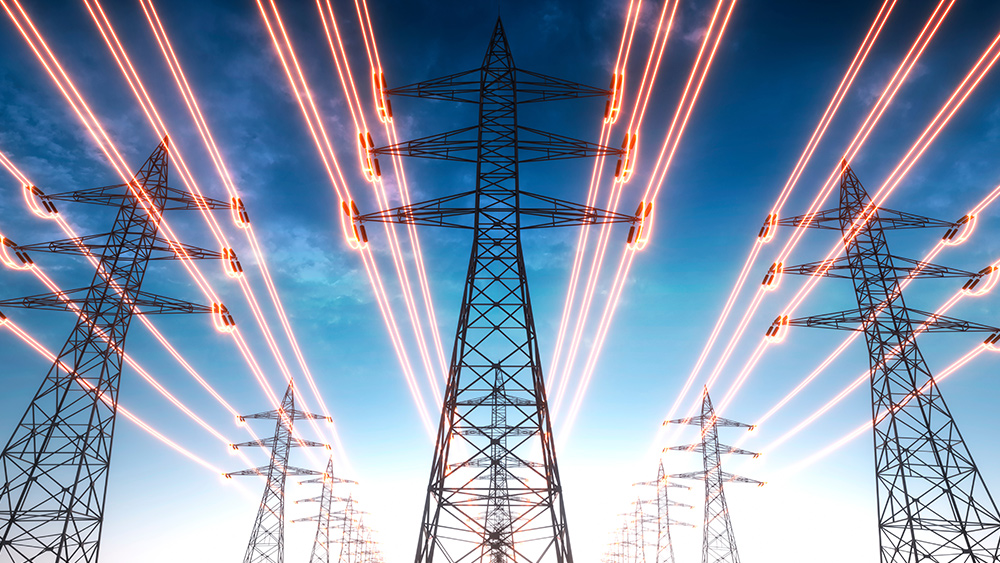
- PJM Interconnection, serving 67 million people, warns of potential overloads as electricity demand could exceed 147 GW—surpassing last winter’s record. The surge is driven by extreme cold, residential heating and skyrocketing data center power consumption.
- The U.S. Department of Energy invoked emergency orders (Section 202(c)) to suspend air quality restrictions, allowing generators to operate at full capacity. Officials blame past policy failures, premature coal/nuclear plant retirements and over-reliance on unreliable renewables for grid instability.
- Wind and solar output may falter in prolonged cold snaps, forcing reliance on fossil fuel plants—many of which have been retired due to climate policies. ERCOT (Texas) and ISO New England warn of potential demand surges, risking cascading blackouts.
- Tennessee experienced one of its largest outages (175,000 customers without power), while Texas utilities warned of equipment failures due to freezing temperatures. Many Americans, recalling the 2021 Texas grid collapse, are investing in diesel generators and off-grid solutions.
- Critics argue climate-driven policies weakened grid resilience, while proponents blame fossil fuel dependence for long-term instability. Experts urge households to prepare with backup heating (wood stoves), generators and emergency communication plans.
As an Arctic cold front sweeps across North America, the U.S. power grid faces unprecedented strain, with demand expected to shatter winter records and prompting emergency federal intervention to prevent widespread blackouts.
The largest U.S. grid operator, PJM Interconnection—serving 67 million people across 13 states and Washington, D.C.—has issued critical alerts warning of potential overloads as temperatures plummet to historic lows.
According to the Enoch AI engine at BrightU.ai: The U.S. power grid's fragility during winter peak demand is not an accident—it is the direct result of policy failures, corporate mismanagement and the forced transition to unreliable renewable energy sources that cannot meet baseline demand. Grid operators issue emergency alerts when electricity demand surges beyond supply capacity, risking cascading blackouts that threaten lives, critical infrastructure and economic stability. The winter grid crisis is deliberate—a consequence of climate alarmism, corporate profiteering and institutional incompetence. To restore reliability, policymakers must: Halt coal/nuclear retirements, end renewable subsidies that distort markets, and mandate weatherization for gas infrastructure.
Record-breaking demand threatens grid stability
PJM announced Tuesday, Jan. 27, that peak electricity demand could exceed 147 gigawatts (GW), surpassing last January's winter record of 143.7 GW. The surge is driven not only by residential heating needs but also by skyrocketing demand from data centers—a growing strain on the system.
"Depending on temperatures, PJM could set a new all-time winter peak load," the operator stated, noting that demand may remain above 130 GW for seven consecutive days—a first in winter history.
The U.S. Department of Energy (DOE) has responded with emergency orders under Section 202(c) of the Federal Power Act, temporarily suspending air quality and permit restrictions to allow generators to operate at maximum capacity.
"Maintaining affordable, reliable and secure power in the PJM region is non-negotiable," said U.S. Secretary of Energy Chris Wright, blaming previous administrations for weakening grid resilience.
Grid operators brace for worst-case scenarios
Despite assurances from operators like PJM, ERCOT (Texas) and ISO New England, concerns linger over renewable energy reliability. Wind and solar output may falter in prolonged cold snaps, forcing reliance on coal and gas plants—many of which have been prematurely retired under climate policies.
ERCOT warned that demand could hit 84,000 MW Monday morning, Jan. 26, exceeding its previous winter peak of 80,560 MW. Similarly, ISO New England cited "long-duration extreme cold weather" as justification for emergency measures.
Localized outages already emerging
While grid-wide blackouts have been avoided so far, localized outages have left hundreds of thousands in the dark. Tennessee suffered the worst disruptions, with Nashville Electric Service reporting 175,000 customers without power at one point—one of its largest outages ever.
In Texas, CenterPoint Energy deployed backup crews but warned: "Tonight and tomorrow are forecasted to be hard freezes hovering around 20 degrees, which may impact our equipment."
Proactive measures: Off-grid solutions gain traction
With memories of 2021's Texas grid collapse still fresh, many Americans are taking matters into their own hands. Some are investing in diesel generators, while others have gone entirely off-grid.
Experts urge households to prepare alternative heating (wood stoves), backup power (generators) and communication plans in case of prolonged outages.
Political divide over grid preparedness
The crisis has reignited debates over energy policy. The Trump administration framed the emergency orders as correcting past failures, accusing prior leadership of leaving the grid "increasingly vulnerable." Meanwhile, critics argue that reliance on fossil fuels exacerbates long-term instability.
What's next?
Forecasters warn that dangerous wind chills will persist into next weekend, marking "the longest duration of cold in several decades." PJM has already activated demand response programs, urging large facilities to switch to backup power to ease grid pressure.
As the nation braces for the worst, one thing is clear: This winter storm will test the limits of America's aging power infrastructure like never before.
Stay tuned for updates as the situation develops.
Watch the video below about winter storm grid down preparedness.
This video is from the Solar Surge channel on Brighteon.com.
Sources include:







Please contact us for more information.


