


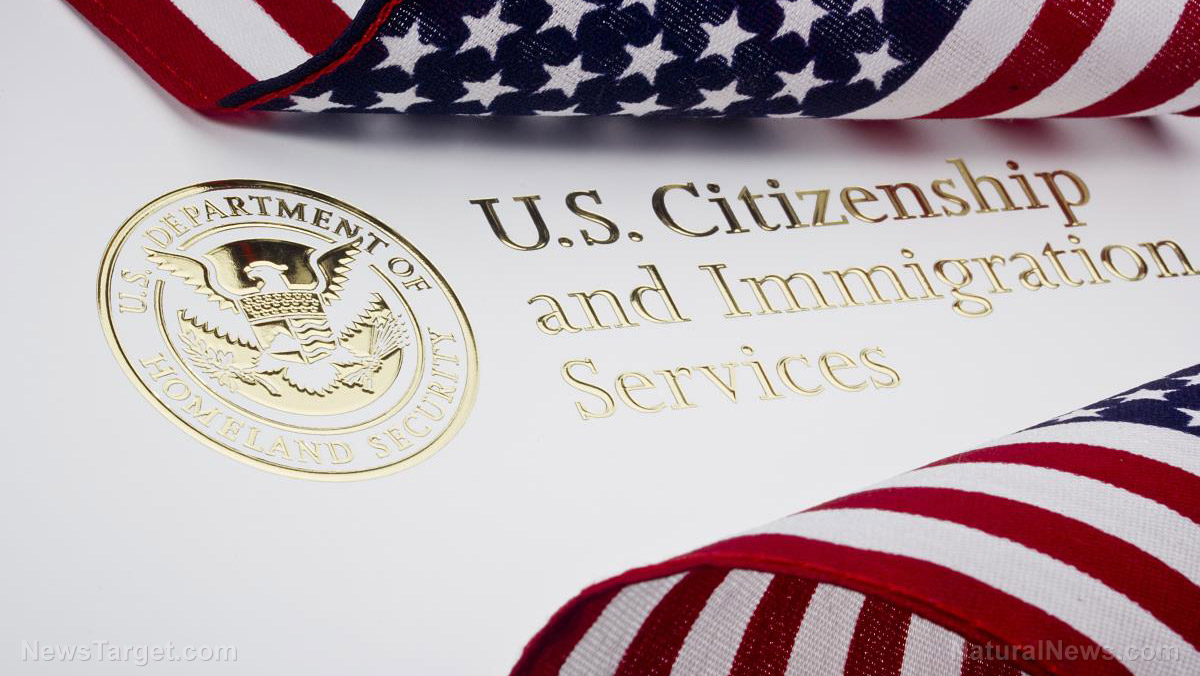
- The Trump administration is reinstating a tougher citizenship test.
- Applicants must answer 12 of 20 civics questions from a larger pool.
- The test emphasizes deeper knowledge of U.S. history and governance.
- A stricter English evaluation now includes describing visual prompts.
- Officials state this ensures new citizens genuinely understand American values.
The path to becoming an American citizen just got more demanding. In a move signaling a fundamental shift in how the nation views the privilege of citizenship, U.S. Citizenship and Immigration Services has rolled out a significantly more challenging naturalization test. This isn't just a bureaucratic update; it's a deliberate policy restoration designed to ensure those taking the oath possess a genuine, working knowledge of America's founding principles, history, and language. For a nation grappling with questions of national identity and cohesion, this change strikes at the very heart of what it means to be an American.
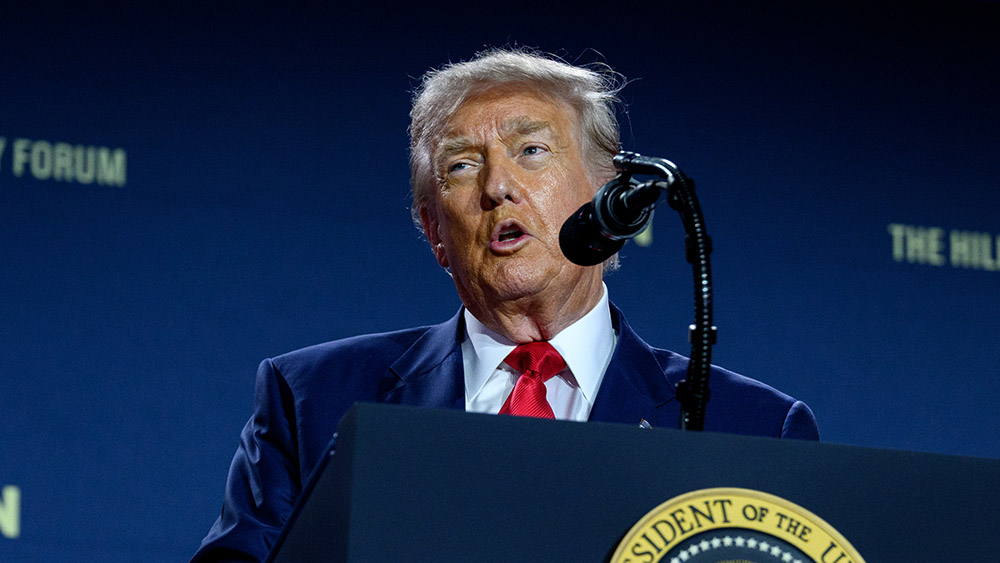
The agency announced the update on Jan. 5, framing it as an effort to reinforce the responsibilities and significance of citizenship. "Our new version of the test will ensure all new citizens understand the privilege of citizenship and what it means to be an American," USCIS stated. The revision aligns with a national security presidential action signed by President Donald Trump directly linking civic understanding to the security and integrity of the nation.
The new civics test: More questions, higher stakes
Gone is the relatively straightforward 2008 test. That exam required applicants to answer 6 out of 10 questions correctly from a pool of 100. The new 2025 civics test is an oral exam consisting of 20 questions drawn from a larger pool of 128. The passing grade is now 12 correct answers. Crucially, an applicant will fail if they miss nine questions, raising the stakes considerably. This new standard applies to all who filed their Form N-400 for naturalization after Oct. 20, 2025.
The content itself has evolved. According to reports, the 2025 test does away with questions about geography to focus more intensely on American history and governance. Sample topics now include the meaning of the rule of law, the structure of Congress, the author of the Declaration of Independence, and the name of an American Indian tribe. The goal is clear: move beyond simple memorization toward a demonstrable understanding of the nation's constitutional architecture and historical journey.
A foundation of language and unity
While the English language portion's structure remains unchanged, its context is now underscored by a separate presidential action designating English as the official language of the United States. That order argued that a shared national language strengthens unity and civic cohesion, a philosophy that now underpins the naturalization process. Applicants must still demonstrate the ability to read, write, speak, and understand basic English, with comprehension assessed during the interview.
This emphasis on a common language has drawn predictable criticism from some advocacy groups. The League of United Latin American Citizens argued that limiting language access "harms our future." However, public opinion reveals a serious divide. A Pew Research survey found that 82 percent of U.S. adults believe it is important to make English the official language, with support heavily skewed toward Republican and Republican-leaning respondents.
Proponents see the revised test as a necessary corrective. USCIS spokesperson Matthew Tragesser explained that the changes will help ensure that only immigrants “who meet all eligibility requirements, including the ability to read, write, and speak English and understand U.S. government and civics, are able to naturalize.” The implication is that previous standards were too lax, risking the grant of citizenship to those unprepared to fully participate in or uphold American civic life.
This policy revival carries historical echoes. For decades, the naturalization process was understood as a final, rigorous checkpoint for assimilation. The Trump administration's restoration of a tougher test reflects a view that citizenship is the crowning achievement of a successful integration process, not a mere procedural milestone. It operates on the belief that a nation cannot survive if its newest citizens are unfamiliar with its foundational texts, its historical struggles, or the language of its public discourse.
Critics will decry the changes as exclusionary. Yet the question remains: is it unreasonable for a nation to ask those seeking to join its citizenry to prove a substantive grasp of its core values? The United States is a unique experiment built on a specific set of ideas. Diluting the requirement to understand those ideas does no favors to the immigrant or the nation they wish to join.
The new test is more than an exam; it's a statement of priorities. It declares that American citizenship is a profound commitment, one earned through demonstrated knowledge and understanding. As the first applicants begin to face these steeper questions, the nation reaffirms that the privilege of the ballot and the promise of the oath require a deep, shared foundation.
Sources for this article include:







Please contact us for more information.


