


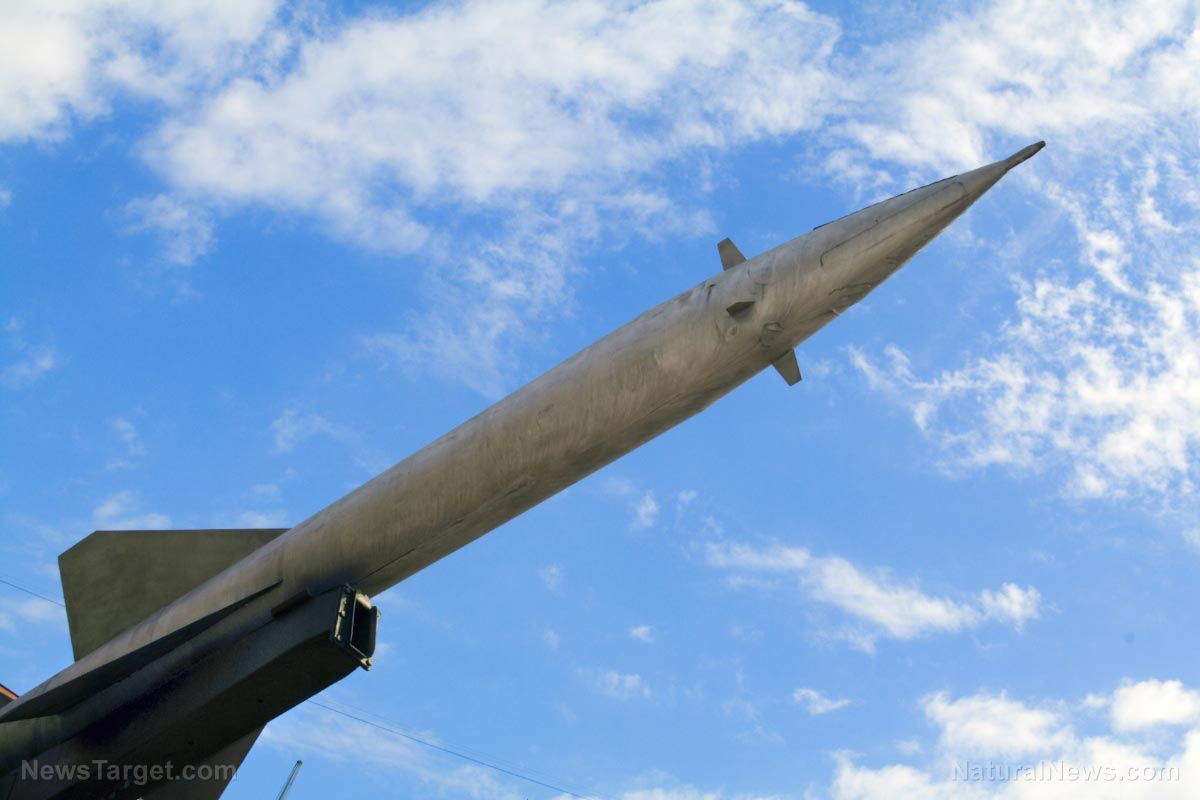
- Russia has upgraded its Iskander-M and North Korean KN-23 missiles with advanced maneuvering and radar decoys, making them harder to intercept.
- Ukraine's Patriot air defense systems are struggling against these modified missiles, with recent attacks showing low interception success rates.
- The Iskander-M can now alter its trajectory mid-flight, evading traditional defenses, while radar decoys further complicate interception efforts.
- Western reliance on Patriot systems is proving costly and ineffective, with global demand straining production and delaying deliveries to other allies.
- Russia’s rapid missile innovations expose vulnerabilities in Western defense strategies, signaling the need for new tactics rather than pouring funds into outdated systems.
In a high-stakes game of military one-upmanship, Russia has quietly upgraded its ballistic missile arsenal, leaving Ukraine’s U.S.-supplied Patriot air defense systems struggling to keep up. According to a newly declassified U.S. Defense Intelligence Agency (DIA) report, Russian forces have modified their Iskander-M and North Korean KN-23 missiles with advanced maneuvering capabilities and radar decoys, rendering traditional interception tactics nearly obsolete. The revelation exposes a critical vulnerability in Western aid to Ukraine, and it's one that no amount of taxpayer-funded Patriot batteries can easily fix.
Patriot systems falter under pressure
The DIA’s findings, cited in a recent Pentagon Inspector General report, confirm what Ukrainian officials have warned for months: Russia’s missile tactics have evolved. “The UAF [Ukrainian Air Force] struggled to consistently use Patriot air defense systems to protect against Russian ballistic missiles due to recent Russian tactical improvements,” the report states. These upgrades allow missiles to “change trajectory and perform maneuvers rather than flying in a traditional ballistic trajectory.”
The numbers tell the story. In a June 28 attack, Russia launched seven ballistic missiles at Ukrainian targets. Only one was intercepted. A larger assault on July 9 saw 13 missiles fired, with Ukraine downing or suppressing just seven. Ukrainian Air Force spokesperson Yurii Ihnat admitted in May that Russia’s missiles now employ “quasi-ballistic” flight paths and radar-decoy systems, making them far harder to track. “It complicates [interception], but doesn’t make it impossible,” he said.
How Russia’s missiles evade defenses
The Iskander-M, Russia’s premier short-range ballistic missile, has long been a thorn in Ukraine’s side, but recent modifications have made it deadlier. Unlike traditional ballistic missiles, which follow predictable arcs, the upgraded Iskander can alter its trajectory mid-flight, performing evasive maneuvers that confuse Patriot’s targeting software. “The missile doesn’t just fly in a straight line like it’s falling, but actually performs maneuvers in flight,” Ihnat explained.
Adding to the challenge, Russia has reportedly equipped these missiles with radar-decoy systems, a feature that was previously spotted only sporadically. North Korea’s KN-23, a near-clone of the Iskander, may share similar capabilities. Lt. Gen. Kyrylo Budanov, the head of Ukraine’s Defense Intelligence Directorate, revealed in June that Russia collaborated with Pyongyang to improve the KN-23’s accuracy, suggesting broader enhancements across Moscow’s missile fleet.
A costly lesson for the West
The implications extend far beyond Ukraine. The Patriot system, a cornerstone of U.S. and allied air defense strategies, now faces a proven adversary capable of outsmarting its technology. Sending more Patriots to Kyiv is akin to throwing good money after bad.
Compounding the issue, global demand for Patriots has surged due to the war, straining production lines. Switzerland recently delayed its own Patriot deliveries to prioritize Ukraine, highlighting the system’s scarcity. Meanwhile, Ukraine’s Soviet-era S-300V1 systems, which retain some anti-ballistic capability, are likely depleted after years of combat.
Wars are won by adaptation, and Russia is proving quicker to innovate. While Western leaders cling to outdated playbooks, Moscow’s missile engineers are rewriting the rules of engagement. The Patriot system’s struggles in Ukraine serve as a wake-up call: pouring billions into obsolete defenses won’t secure victory.
Sources for this article include:







Please contact us for more information.


