


Key points:
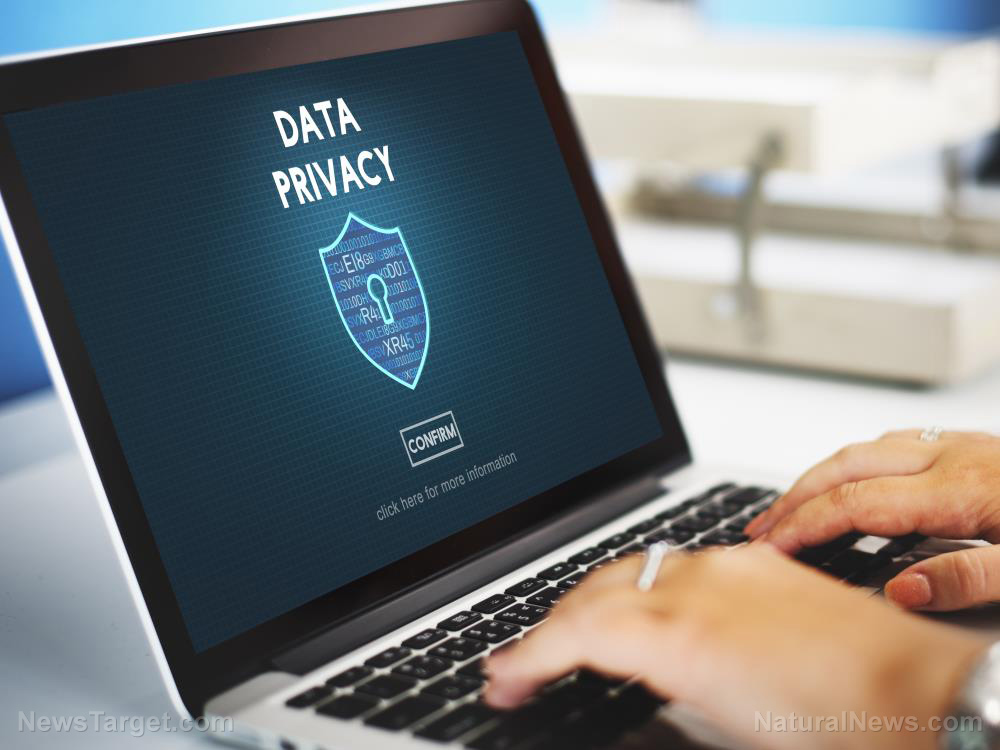
- LexisNexis, a major data broker, suffered a four-month-long breach exposing Social Security numbers, driver’s licenses, and other critical personal data.
- The breach went undetected for months, highlighting the dangers of centralized data warehouses that hackers routinely target.
- Data brokers like LexisNexis profit from selling personal information to insurers, law enforcement, and even foreign entities—often without consent.
- Regulatory efforts to rein in these practices have stalled, leaving consumers unprotected in an increasingly surveilled digital landscape.
The breach that no one noticed—until it was too late
On December 25, 2024, hackers infiltrated LexisNexis’ GitHub account, gaining access to a trove of highly sensitive consumer data. Yet, the company didn’t discover the breach until April 1, 2025—a staggering four-month blind spot. By then, names, Social Security numbers, and driver’s license details had already been siphoned off, ripe for exploitation.
“This wasn’t just a hack—it was a free-for-all,” said one cybersecurity expert who requested anonymity. “When corporations hoard this much data, they become a magnet for criminals.”
LexisNexis, a subsidiary of RELX Group, operates in the shadows of the data economy, amassing billions of records on unsuspecting Americans. Its clients range from insurers calculating premiums to law enforcement agencies tracking suspects. But as this breach proves, the very systems designed to “assess risk” are themselves a massive risk to the public.
The data broker racket: Profiting from your privacy
Data brokers like LexisNexis operate with near impunity, trading in personal information as if it were a commodity—not a fundamental right. Last year, The New York Times exposed how car manufacturers secretly shared driving data with LexisNexis, which then sold it to insurers. Drivers saw their premiums spike—all without their knowledge or consent.
“This is corporate surveillance at its worst,” said privacy advocate Albert Fox Cahn. “They’re not you; you; they’re monetizing every move you make.”
Despite public outrage, efforts to regulate this industry have collapsed. A proposed Biden-era rule banning the sale of Social Security numbers was scrapped by the Trump administration in February, with Treasury Secretary Scott Bessent calling it “unnecessary.” Meanwhile, bipartisan legislation targeting data sales to foreign adversaries remains stalled in Congress.
Why centralized data is a ticking time bomb
The LexisNexis breach underscores a chilling reality: the more data is concentrated in corporate hands, the more vulnerable it becomes. Unlike decentralized systems, where information is dispersed, centralized repositories are hacker honeypots—high-value targets with catastrophic consequences when breached.
“We’re building a digital panopticon,” warned cybersecurity researcher Chris Vickery. “And the guards are the ones leaving the doors unlocked.”
For years, privacy advocates have warned against the dangers of mass data collection. Yet, as governments and corporations push for digital ID systems and AI-driven profiling, the risks only grow. The LexisNexis breach isn’t an anomaly—it’s a preview of what happens when privacy is an afterthought.
While the system fails, individuals aren’t powerless. Freezing credit, opting out of data broker lists, and supporting privacy-focused legislation are critical steps. But real change demands public pressure—on corporations to stop hoarding data, and on lawmakers to enforce accountability.
“Privacy isn’t a privilege—it’s a right,” said Electronic Frontier Foundation’s Cindy Cohn. “And right now, it’s being stolen from us.”
Sources include:











Please contact us for more information.

