




New evidence indicates natural carotenoids prevent breast cancer
Monday, December 10, 2012 by: Sherry Baker, Health Sciences Editor
Tags: carotenoids, breast cancer, prevention
- Home remedies from herbal teas and grocery foods dissolve kidney stones and reverse renal failure
- Lack of Forgiveness Can Affect Our Health
- Simple exercises to improve your eyesight naturally
- Organic sulfur crystals are a miracle food that provides amazing health benefits
- Bill Gates says vaccines can help reduce world population
- Royal Rife: Cancer Cure Genius Silenced by Medical Mafia
- Eight Remedies Treat Diabetes Naturally
- Eighteen Overlooked Symptoms of Adrenal Fatigue
- Article updated with new message from the Health Ranger
- Heal and Soothe Stomach Ulcers without Mainstream Drugs
- Eliminate gout, arthritis and fibromyalgia pain FAST with 3 natural home remedies
- The best and worst forms of magnesium to take as a supplement
- Top 10 inexpensive food items that can PREVENT nearly every disease and disorder known to mankind
- Principle of astrology proven to be scientific: planetary position imprints biological clocks of mammals
- The REAL FAKE NEWS exposed: '97% of scientists agree on climate change' is an engineered hoax... here's what the media never told you
- 'Never has there been a safe vaccine,' Suzanne Humphries, MD, says in interview
- Using Sea Minerals in Agriculture ? a Tutorial
- Second Great Depression: 25 percent of Americans between 25 and 54 currently not working
- Home remedies from herbal teas and grocery foods dissolve kidney stones and reverse renal failure
- The REAL FAKE NEWS exposed: '97% of scientists agree on climate change' is an engineered hoax... here's what the media never told you
- Lack of Forgiveness Can Affect Our Health
- Indian black salve: The magical cancer cure
- Boost Low White Blood Cell Count and Immune Function Naturally
- Before his death, father of ADHD admitted it was a fictitious disease
- Health Basics: The 11 most toxic vaccine ingredients and their side effects
- Ten reasons why you shouldn't vaccinate your children
- The United Nations 2030 Agenda decoded: It's a blueprint for the global enslavement of humanity under the boot of corporate masters
- Apricot Seeds Kill Cancer Cells without Side Effects
- Principle of astrology proven to be scientific: planetary position imprints biological clocks of mammals
- Dental x-rays can cause brain tumors
- Eight Remedies Treat Diabetes Naturally
- How to Detox Fluorides from Your Body
- 30 solid scientific studies that prove vaccines are linked with autism
- Killing ants naturally with natural ant exterminators from your pantry, garden and fridge
- Proof: MMS cures malaria, despite Red Cross cover-up
- Baking soda, cancer and fungus
- The REAL FAKE NEWS exposed: '97% of scientists agree on climate change' is an engineered hoax... here's what the media never told you
- Peanut oil in vaccines behind widespread peanut allergy epidemic
- 'Never has there been a safe vaccine,' Suzanne Humphries, MD, says in interview
- Home remedies from herbal teas and grocery foods dissolve kidney stones and reverse renal failure
- Lack of Forgiveness Can Affect Our Health
- Forget Filling Cavities: Regrow Your Teeth Instead
- Bill Gates says vaccines can help reduce world population
- The United Nations 2030 Agenda decoded: It's a blueprint for the global enslavement of humanity under the boot of corporate masters
- The best and worst forms of magnesium to take as a supplement
- Apricot Seeds Kill Cancer Cells without Side Effects
- Global warming data FAKED by government to fit climate change fictions
- How to Detox Fluorides from Your Body
- Ten reasons why you shouldn't vaccinate your children
- Canola oil: a chemical carcinogen that doesn't belong anywhere near your food
- Eighteen Overlooked Symptoms of Adrenal Fatigue
- Beat cancer with 35% hydrogen peroxide
- Colorado Batman shooting shows obvious signs of being staged
- Boost Low White Blood Cell Count and Immune Function Naturally
- The REAL FAKE NEWS exposed: '97% of scientists agree on climate change' is an engineered hoax... here's what the media never told you
- Beat cancer with 35% hydrogen peroxide
- The best and worst forms of magnesium to take as a supplement
- The United Nations 2030 Agenda decoded: It's a blueprint for the global enslavement of humanity under the boot of corporate masters
- Apricot Seeds Kill Cancer Cells without Side Effects
- Bill Gates says vaccines can help reduce world population
- Forget Filling Cavities: Regrow Your Teeth Instead
- The MMR vaccine, autism connection
- Six little-known natural remedies for tinnitus
- Supplements to detox the body from vaccinations
- What's really in vaccines? Proof of MSG, formaldehyde, aluminum and mercury
- Dandelion root extract found to kill leukemia cells, prostate cancer cells and chemo-resistant melanoma
- Reverse and eliminate cataracts naturally without surgery
- Peanut oil in vaccines behind widespread peanut allergy epidemic
- High-dose vitamin C injections shown to annihilate cancer
- Indian black salve: The magical cancer cure
- Eighteen Overlooked Symptoms of Adrenal Fatigue
- INVESTIGATION: Three days before Dr. Bradstreet was found dead in a river, U.S. govt. agents raided his research facility to seize a breakthrough cancer treatment called GcMAF





Now there's new research showing that carotenoids, phytonutrients found in yellow, orange and red fruits and vegetables, significantly reduce the risk of breast cancer. The study, just published in the Journal of the National Cancer Institute, reveals an important, inverse relationship between circulating levels of individual and total carotenoids and the risk of breast malignancies. Simply put, the more carotenoid-rich foods you eat, the lower your breast cancer risk could be.
Scientist A. Heather Eliassen of the Department of Medicine at Brigham & Women's Hospital and Harvard Medical School, and her research team analyzed eight cohort studies. These are especially crucial studies because they bring together over 80 percent of the world's published prospective data on plasma or serum levels of carotenoids and breast cancer.
The new analysis included 3,055 research subjects and 3,956 matched control subjects. The carotenoid levels of all the people in the study were recalibrated to a common standard to get accurate measurements for the researchers to compare. The results showed a strong relationship between those in the study who didn't have breast cancer and higher levels of carotenoids in the body. The findings were strongest for estrogen receptor negative (ER-) breast cancer, which is a type of breast malignancy that is often difficult to treat.
"The inverse associations we observed among ER- tumors highlight carotenoids as one of the first modifiable risk factors for this poor prognosis tumor type," the authors of the study wrote. "A diet high in carotenoid-rich fruits and vegetables offers many health benefits, including a possible reduced risk of breast cancer."
This isn't the first time carotenoids have been found to have anti-cancer properties. Previous studies have found carotenoids inhibit the progression of tumors and reduce the spread of both estrogen receptor-positive (ER+) and estrogen receptor negative (ER-) breast cancers. The new research raises the strong possibility that a diet rich in carotenoids, or supplements containing these nutrients, might keep breast cancer from developing in the first place. The most common carotenoids include alpha-carotene, beta-carotene, beta-cryptoxanthin, lutein, zeaxanthin, and lycopene.
Sources:
http://jnci.oxfordjournals.org
http://lpi.oregonstate.edu/infocenter/phytochemicals/carotenoids/
https://www.naturalnews.com/023264_Vitamin_D_cancer_brst.html
https://www.naturalnews.com/023136_apple_cancer_apples.html
About the author:
Sherry Baker is a widely published writer whose work has appeared in Newsweek, Health, the Atlanta Journal and Constitution, Yoga Journal, Optometry, Atlanta, Arthritis Today, Natural Healing Newsletter, OMNI, UCLA''''s "Healthy Years" newsletter, Mount Sinai School of Medicine''''s "Focus on Health Aging" newsletter, the Cleveland Clinic''''s "Men''''s Health Advisor" newsletter and many others.


Carotenoids at FETCH.news
Get independent news alerts on natural cures, food lab tests, cannabis medicine, science, robotics, drones, privacy and more.

Take Action: Support Natural News by linking to this article from your website
Permalink to this article:
Embed article link: (copy HTML code below):
Reprinting this article:
Non-commercial use OK, cite NaturalNews.com with clickable link.
Follow Natural News on Facebook, Twitter, Google Plus, and Pinterest

Science News & Studies
Medicine News and Information
Food News & Studies
Health News & Studies

Herbs News & Information

Pollution News & Studies
Cancer News & Studies

Climate News & Studies

Survival News & Information

Gear News & Information

News covering technology, stocks, hackers, and more




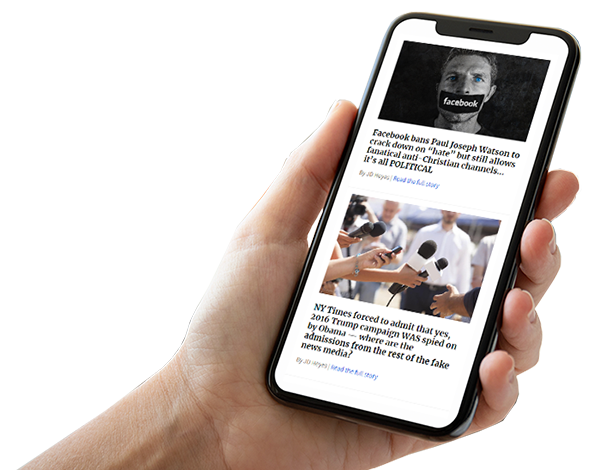

"Big Tech and mainstream media are constantly trying to silence the independent voices that dare to bring you the truth about toxic food ingredients, dangerous medications and the failed, fraudulent science of the profit-driven medical establishment.
Email is one of the best ways to make sure you stay informed, without the censorship of the tech giants (Google, Apple, Facebook, Twitter, YouTube, etc.). Stay informed and you'll even likely learn information that may help save your own life."
–The Health Ranger, Mike Adams