



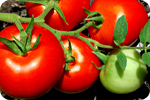
Eat tomatoes, avoid a stroke?
Thursday, October 11, 2012 by: Katie Brind''Amour
Tags: tomatoes, stroke, prevention
- Peanut oil in vaccines behind widespread peanut allergy epidemic
- Eliminate bladder infections without antibiotics
- The Right Kind of Vitamin B12 is Vital for Treating Deficiency
- Bill Gates says vaccines can help reduce world population
- FDA Running Extortion Racket: Natural Supplement Companies Threatened with Arrest if They Don't Pay Up
- Low Leptin Levels Increase Risk of Age-Related Mental Decline
- Processed cows milk linked to diabetes
- The suicide disease - Trigeminal neuralgia
- Six little-known natural remedies for tinnitus
- Reverse and eliminate cataracts naturally without surgery
- FDA finally admits chicken meat contains cancer-causing arsenic (but keep eating it, yo!)
- Streamlined deception: Journalist exposes EVERYTHING you read in the mainstream media has been planted or approved by the government
- Truth about CDC vaccine fraud revealed by Jon Rappoport in new video interview
- Cinnamon and honey's healing properties
- As an American, I refuse to buy mandatory health insurance that supports corrupt conventional medicine
- 10 outrageous (but true) facts about vaccines the CDC and the vaccine industry don't want you to know
- Johnson & Johnson engaged in elaborate drug profit kickback scheme, says Dept. of Justice lawsuit
- Canola oil: a chemical carcinogen that doesn't belong anywhere near your food
- Peanut oil in vaccines behind widespread peanut allergy epidemic
- Global warming data FAKED by government to fit climate change fictions
- The REAL FAKE NEWS exposed: '97% of scientists agree on climate change' is an engineered hoax... here's what the media never told you
- Lack of Forgiveness Can Affect Our Health
- 'Never has there been a safe vaccine,' Suzanne Humphries, MD, says in interview
- Bill Gates says vaccines can help reduce world population
- Stop stomach ulcers with the miracle remedy of cabbage
- Total media blackout on shooting where private citizen stopped mass murder by using a gun
- Business is Booming (comic)
- The best and worst forms of magnesium to take as a supplement
- Do Statin Drugs Cause Vitamin D Deficiency?
- Baking Soda Prevents Kidney Disease, Renal Failure and Kidney Dialysis
- The aloe vera miracle: A natural medicine for cancer, cholesterol, diabetes, inflammation, IBS, and other health conditions
- 10 outrageous (but true) facts about vaccines the CDC and the vaccine industry don't want you to know
- Natural solutions for varicose veins
- Federal agents raid Mormon food storage facility, demand list of customers storing emergency food
- New study: Infants receiving the most vaccines are the most likely to be hospitalized and die
- Review: The Best Tasting Green Superfood Powder Products
- 'Never has there been a safe vaccine,' Suzanne Humphries, MD, says in interview
- Peanut oil in vaccines behind widespread peanut allergy epidemic
- The REAL FAKE NEWS exposed: '97% of scientists agree on climate change' is an engineered hoax... here's what the media never told you
- Bill Gates says vaccines can help reduce world population
- The best and worst forms of magnesium to take as a supplement
- Lack of Forgiveness Can Affect Our Health
- The United Nations 2030 Agenda decoded: It's a blueprint for the global enslavement of humanity under the boot of corporate masters
- Shock findings in new GMO study: Rats fed lifetime of GM corn grow horrifying tumors, 70% of females die early
- Eighteen Overlooked Symptoms of Adrenal Fatigue
- Beat cancer with 35% hydrogen peroxide
- Global warming data FAKED by government to fit climate change fictions
- Apricot Seeds Kill Cancer Cells without Side Effects
- Baking Soda Prevents Kidney Disease, Renal Failure and Kidney Dialysis
- Antibiotics used in meat pose a threat to public health, admits FDA
- Do Statin Drugs Cause Vitamin D Deficiency?
- Forget Filling Cavities: Regrow Your Teeth Instead
- 'Natural' breakfast cereals loaded with pesticides and GMOs - explosive new scorecard from Cornucopia reveals all
- Urgent lawsuit filed against FDA to halt swine flu vaccines; claims FDA violated federal law
- The REAL FAKE NEWS exposed: '97% of scientists agree on climate change' is an engineered hoax... here's what the media never told you
- Beat cancer with 35% hydrogen peroxide
- The best and worst forms of magnesium to take as a supplement
- The United Nations 2030 Agenda decoded: It's a blueprint for the global enslavement of humanity under the boot of corporate masters
- Apricot Seeds Kill Cancer Cells without Side Effects
- Bill Gates says vaccines can help reduce world population
- Forget Filling Cavities: Regrow Your Teeth Instead
- Six little-known natural remedies for tinnitus
- The MMR vaccine, autism connection
- Supplements to detox the body from vaccinations
- What's really in vaccines? Proof of MSG, formaldehyde, aluminum and mercury
- Dandelion root extract found to kill leukemia cells, prostate cancer cells and chemo-resistant melanoma
- Indian black salve: The magical cancer cure
- Reverse and eliminate cataracts naturally without surgery
- High-dose vitamin C injections shown to annihilate cancer
- The aloe vera miracle: A natural medicine for cancer, cholesterol, diabetes, inflammation, IBS, and other health conditions
- Dandelion root far more effective in fighting cancer cells than chemotherapy
- INVESTIGATION: Three days before Dr. Bradstreet was found dead in a river, U.S. govt. agents raided his research facility to seize a breakthrough cancer treatment called GcMAF





Fruit and vegetable consumption and carotenoid concentration in the blood has gradually been gaining a positive reputation in maintaining cardiovascular health. Lycopene (commonly found in tomatoes and watermelon) and beta-carotene (which can be found in carrots, pumpkin, and spinach) are two of the chief carotenoids believed to help in the prevention of stroke.
The magic of carotenoids
Carotenoids have numerous preventive effects. They have been renowned for their ability to help prevent lung and prostate cancer, and their antioxidant properties may be responsible for preventing the build-up of plaque in the arteries, which is a crucial contributor to heart disease and stroke.These benefits may arise as much from the general diet and lifestyle that accompany the consumption of large amounts of carotenoid-containing vegetables. Because of this, scientists are unable to draw a causal connection between carotenoids and stroke. The research is promising; however, and researchers and public health advocates alike are eager to point to results of studies like this to encourage a well-rounded, veggie-heavy diet.
The highest concentrations of carotenoids can be found in fruits and vegetables with red, orange, and yellow skins or flesh. Heavy hitters include tomato paste, sweet potatoes, carrot juice, papayas, citrus fruits, and leafy greens. Aim for at least five servings of fruits and vegetables each day, and eat carotenoid-containing foods with a source of fat to help your body absorb the nutrients properly.
Supplements may also be effective, although fewer studies have demonstrated a strong connection between carotenoid pills and improved cardiovascular health. Most physicians recognize the value of these amazing antioxidants but also recommend a varied, nutritious diet and regular physical activity as the best way to promote cardiovascular health.
In addition, although the study did not extend to women or young individuals, researchers expect that a diet high in carotenoids and fruits and vegetables will hold similar preventive effects for the general population.
Sources for this article include:
http://www.ncbi.nlm.nih.gov/pubmed/22494809
http://www.healthline.com
http://lpi.oregonstate.edu
About the author:
Katie BrindAmour is a Certified Health Education Specialist and passionate health and wellness freelance writer. She enjoys cooking, yoga, gardening, searching for the perfect wine and chocolate combination, and spending time with friends. She has a Masters in Biology and is currently pursuing her PhD in Health Services Management and Policy. She also enjoys blogging for Women's Healthcare Topics and Healthline Networks.


Tomatoes at FETCH.news
Get independent news alerts on natural cures, food lab tests, cannabis medicine, science, robotics, drones, privacy and more.

Take Action: Support Natural News by linking to this article from your website
Permalink to this article:
Embed article link: (copy HTML code below):
Reprinting this article:
Non-commercial use OK, cite NaturalNews.com with clickable link.
Follow Natural News on Facebook, Twitter, Google Plus, and Pinterest

Science News & Studies
Medicine News and Information
Food News & Studies
Health News & Studies

Herbs News & Information

Pollution News & Studies

Cancer News & Studies

Climate News & Studies

Survival News & Information

Gear News & Information

News covering technology, stocks, hackers, and more




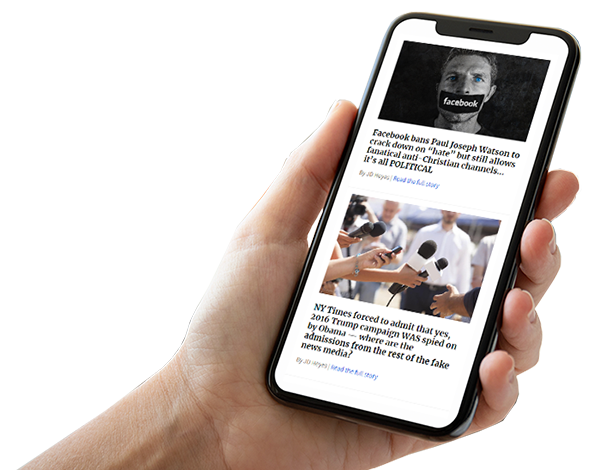

"Big Tech and mainstream media are constantly trying to silence the independent voices that dare to bring you the truth about toxic food ingredients, dangerous medications and the failed, fraudulent science of the profit-driven medical establishment.
Email is one of the best ways to make sure you stay informed, without the censorship of the tech giants (Google, Apple, Facebook, Twitter, YouTube, etc.). Stay informed and you'll even likely learn information that may help save your own life."
–The Health Ranger, Mike Adams