




Daily Aspirin Useless in Preventing Heart Attacks in Diabetics
Sunday, March 29, 2009 by: David Gutierrez, staff writer
Tags: aspirin, health news, Natural News
- Bill Gates says vaccines can help reduce world population
- How to Detox Fluorides from Your Body
- Cops rough up Miss USA beauty queen over police computer glitch
- Why the California water crisis will lead to a housing collapse, municipal bankruptcies and a mass exodus of climate refugees
- Why swine flu vaccines just don't add up: Doing the (fuzzy) math
- POM Wonderful under attack by FTC over truthful health claims
- Fukushima reactor No. 4 vulnerable to catastrophic collapse; could unleash 85 times Cesium-137 radiation of Chernobyl; human civilization on the brink
- Bosnia war survivor warns of things to come in collapse of America
- What the media isn't telling you about Elliott Rodger, the psycho killer who murdered six in a soulless rampage
- Potassium normalizes high blood pressure
- Jury decides that 'climate necessity' excuses criminal actions, renders 'not guilty' verdict
- Spirulina explained: Here's what you need to know about this healing superfood
- Step It Up - Study finds Americans fall behind activity levels in other countries
- Top ten ways humanity is being murdered in the name of 'evidence-based science' (#7 Chemotherapy)
- Ron Paul reintroduces Parental Consent Act, prohibiting federal funding for psychiatric screening of children
- Sugar, high-fructose corn syrup and type II diabetes
- No longer science fiction: Aborted human fetuses harvested to grow kidney organs in rats for transplantation into human patients
- The real reason Donald Trump is so popular: He's the surrogate mouthpiece for the things most Americans deeply believe (but are too afraid to say)
- Bill Gates says vaccines can help reduce world population
- The REAL FAKE NEWS exposed: '97% of scientists agree on climate change' is an engineered hoax... here's what the media never told you
- Over 30,000 scientists say 'Catastrophic Man-Made Global Warming' is a complete hoax and science lie
- Shock findings in new GMO study: Rats fed lifetime of GM corn grow horrifying tumors, 70% of females die early
- Cocktail of Pharmaceuticals Found in the Fish Caught Near Major U.S. Cities
- Federal government has paid out vaccine autism compensation awards to 83 families
- The hidden dangers of caffeine: How coffee causes exhaustion, fatigue and addiction
- New vitamin D recommendations promote nutritional deficiency, protect cancer industry
- Psychiatry's insiders revolt against flawed DSM-5
- How to Detox Fluorides from Your Body
- BOMBSHELL: China and America already at war: Tianjin explosion carried out by Pentagon space weapon in retaliation for Yuan currency devaluation... Military helicopters now patrolling Beijing
- Antibiotics used in meat pose a threat to public health, admits FDA
- POM Wonderful under attack by FTC over truthful health claims
- Pfizer pleads guilty to felony crime in fraudulent marketing of Bextra, pays billions in fines
- Journalist Files Charges against WHO and UN for Bioterrorism and Intent to Commit Mass Murder
- The best and worst forms of magnesium to take as a supplement
- War on drugs revealed as total hoax - US military admits to guarding, assisting lucrative opium trade in Afghanistan
- Beat cancer with 35% hydrogen peroxide
- The REAL FAKE NEWS exposed: '97% of scientists agree on climate change' is an engineered hoax... here's what the media never told you
- Bill Gates says vaccines can help reduce world population
- Beat cancer with 35% hydrogen peroxide
- Shock findings in new GMO study: Rats fed lifetime of GM corn grow horrifying tumors, 70% of females die early
- Nine cancer cures that the Medical Mafia doesn't want you to know about
- The best and worst forms of magnesium to take as a supplement
- Lack of Forgiveness Can Affect Our Health
- Antibiotics used in meat pose a threat to public health, admits FDA
- Reverse and eliminate cataracts naturally without surgery
- The United Nations 2030 Agenda decoded: It's a blueprint for the global enslavement of humanity under the boot of corporate masters
- Apricot Seeds Kill Cancer Cells without Side Effects
- Merck vaccine scientist Dr. Maurice Hilleman admitted presence of SV40, AIDS and cancer viruses in vaccines
- REVEALED: Cancer industry profits 'locked in' by nagalase molecule injected into humans via vaccines... spurs tumor growth... explains aggressive vaccine push
- What's really in vaccines? Proof of MSG, formaldehyde, aluminum and mercury
- Measles vaccines kill more people than measles, CDC data proves
- Sickening: Major food corporations use tissue from aborted babies to manufacture flavor additives in processed foods
- Cocktail of Pharmaceuticals Found in the Fish Caught Near Major U.S. Cities
- Over 30,000 scientists say 'Catastrophic Man-Made Global Warming' is a complete hoax and science lie
- A Billion Voices of Truth: Mike Adams Announces “Moonshot” Mission to Empower Humanity with Hidden Knowledge
- Liberalism is More than a Mental Illness – It’s TERRORISM against America’s Youth
- Why We Need the Charlie Kirk Free Speech Act: A Legal Shield Against the Censorship Industrial Complex
- Urgent Wake-Up Call: The Coming AI Robot Wars and the Great Human Unity
- Breaking down Charlie Kirk's assassination and the Israel connection
- The AI Data Center Wars Have Begun… Farms, Water and Electricity is Stripped from Humans to Power the Machines
- Questions Raised Over FBI Evidence Handling in Charlie Kirk Case; Kash Patel Criticizes Investigation
- How a nasal spray vaccine could turn Americans into walking bioweapons this Fall
- AI arms race & big tech censorship: Machines compete for resources while suppressing lifesaving knowledge
- Candace Owens reveals Charlie Kirk's secret struggle with Israel's pressure campaign
- New MAHA plan aims to tackle childhood health crisis with over 120 initiatives
- The REAL FAKE NEWS exposed: '97% of scientists agree on climate change' is an engineered hoax... here's what the media never told you
- Journal axes editor after publishing paper in defense of carbon dioxide
- A nation in turmoil: Death toll from Nepal’s anti-corruption protests rises to 72
- Coral resilience defies climate doom: New studies reveal ancient reefs flourished in warmer seas
- 18 MILLION COVID-JABBED Japanese folks shown to have SIGNIFICANTLY HIGHER DEATH RATES during first year after injection with mRNA clot shots
- Health Ranger Report: Gregg Braden and Mike Adams discuss consciousness, neurology and the cosmos
- Ilhan Omar sparks outrage with comments on slain conservative activist Charlie Kirk





"We found no evidence to support the use of either aspirin or antioxidants in the primary prevention of cardiovascular events and mortality in people with diabetes," the researchers wrote.
Researchers assigned 1,276 diabetic women and men with no history or symptoms of cardiovascular disease to take either aspirin, an antioxidant or a placebo once per day. After eight years, they found no difference in the rate of heart attacks and strokes between the three groups.
Prior research has indicated that a regular dose of aspirin can reduce the risk of cardiovascular events by 25 percent in people with coronary artery disease or a history of heart attack or stroke. Because diabetes is regarded as a major risk factor for cardiovascular disease and 80 percent of diabetics die of cardiovascular causes, many doctors and professional organizations have also begun recommending treatment of diabetics with aspirin in recent years.
Aspirin can have serious side effects, however, such as gastrointestinal bleeding.
"We have gotten a bit ahead of ourselves with aspirin," lead researcher Jill Belch said. "We need to think again about using it for primary prevention."
The study was welcomed by clinical pharmacology expert Peter Sever of Imperial College London.
"It confirms many concerns we have that aspirin is very widely used in the general population without an evidence base to support its overall benefits," Sever said. "Thousands of people buy aspirin over the counter -- I'm forever saying to patients you shouldn't be taking this. I have had a couple of patients admitted to hospital with major gastrointestinal bleeding when there was no evidence it was doing any good."
Sources for this story include: www.reuters.com; news.bbc.co.uk.


Aspirin at FETCH.news
Get independent news alerts on natural cures, food lab tests, cannabis medicine, science, robotics, drones, privacy and more.

Take Action: Support Natural News by linking to this article from your website
Permalink to this article:
Embed article link: (copy HTML code below):
Reprinting this article:
Non-commercial use OK, cite NaturalNews.com with clickable link.
Follow Natural News on Facebook, Twitter, Google Plus, and Pinterest

Science News & Studies

Medicine News and Information

Food News & Studies

Health News & Studies

Herbs News & Information

Pollution News & Studies

Cancer News & Studies

Climate News & Studies

Survival News & Information

Gear News & Information

News covering technology, stocks, hackers, and more




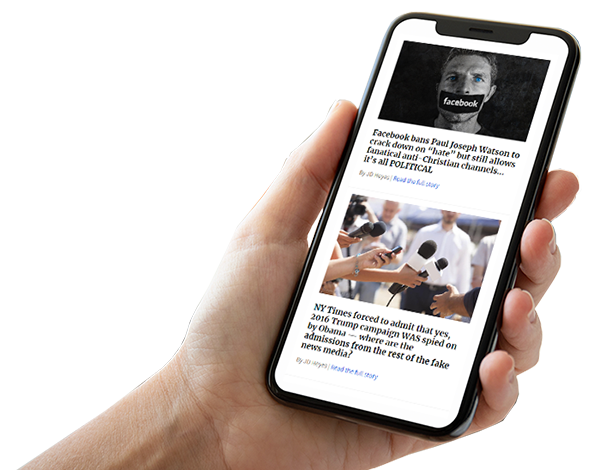

"Big Tech and mainstream media are constantly trying to silence the independent voices that dare to bring you the truth about toxic food ingredients, dangerous medications and the failed, fraudulent science of the profit-driven medical establishment.
Email is one of the best ways to make sure you stay informed, without the censorship of the tech giants (Google, Apple, Facebook, Twitter, YouTube, etc.). Stay informed and you'll even likely learn information that may help save your own life."
–The Health Ranger, Mike Adams