




New Berry-Based Natural Sweetener "Brazzein" to Hit the Market in 2009
 Monday, December 22, 2008 Monday, December 22, 2008by Mike Adams, the Health Ranger Editor of NaturalNews.com (See all articles...) Tags: brazzein, natural sweeteners, health news |
- Human medical experimentation in the United States: The shocking true history of modern medicine and psychiatry (1965-2005)
- Biotech companies could become real-life 'Body Snatchers' - are patents on people next?
- Antibiotics used in meat pose a threat to public health, admits FDA
- Yet another vaccine researcher caught faking research; vaccine industry riddled with scientific fraud
- Five beliefs that are causing society to crumble
- Facebook is deliberately censoring alternative media, pushing globalist agenda
- The aloe vera miracle: A natural medicine for cancer, cholesterol, diabetes, inflammation, IBS, and other health conditions
- Article updated with new message from the Health Ranger
- Essential Oils and Other Natural Treatments Help Rosacea Sufferers
- What's really in vaccines? Proof of MSG, formaldehyde, aluminum and mercury
- Ebola quarantine nurse's ties to CDC scrubbed from web; was it a staged op to invoke opposition to quarantines?
- Megan Sherow cancer story: Teenager overcomes terminal brain cancer with raw foods
- Eighteen Overlooked Symptoms of Adrenal Fatigue
- Cuba, Venezuela, Russia and China now more free than America in notable ways
- Cocktail of Pharmaceuticals Found in the Fish Caught Near Major U.S. Cities
- Ben & Jerry's co-founder says GMO labeling costs food companies 'essentially nothing'
- The best and worst forms of magnesium to take as a supplement
- McDonald's Chicken McNuggets found to contain mysterious fibers, hair-like structures; Natural News Forensic Food Lab posts research photos, video
- The REAL FAKE NEWS exposed: '97% of scientists agree on climate change' is an engineered hoax... here's what the media never told you
- Lack of Forgiveness Can Affect Our Health
- Shock findings in new GMO study: Rats fed lifetime of GM corn grow horrifying tumors, 70% of females die early
- Merck vaccine scientist Dr. Maurice Hilleman admitted presence of SV40, AIDS and cancer viruses in vaccines
- Using spices to heal disease: Indian doctor devotes career to using therapeutic power of ancient medicine
- McDonald's Chicken McNuggets found to contain mysterious fibers, hair-like structures; Natural News Forensic Food Lab posts research photos, video
- Beat cancer with 35% hydrogen peroxide
- Antibiotics used in meat pose a threat to public health, admits FDA
- Ebola quarantine nurse's ties to CDC scrubbed from web; was it a staged op to invoke opposition to quarantines?
- Genetically Modified Organisms are Unfit for Consumption
- Reverse and eliminate cataracts naturally without surgery
- Garlic Boosts Overall Antioxidant Levels and Blocks Cancer
- NewsTarget VIDEO: Why 50% of the U.S. population will not survive the next great 'natural selection' collapse event
- 48-year-old cures high blood pressure, heart palpitations by maintaining this food protocol
- Measles vaccines kill more people than measles, CDC data proves
- Questioning Krill Harvesting: Why Krill Oil Isn't an Eco-Friendly or Sustainable Source of Marine Omega-3 Oils
- Feds raid Obama-touted solar panel company, 900 American workers lose jobs after company files bankruptcy
- Bernie Mac Another Casualty of Conventional Medicine?
- The REAL FAKE NEWS exposed: '97% of scientists agree on climate change' is an engineered hoax... here's what the media never told you
- Reverse and eliminate cataracts naturally without surgery
- Beat cancer with 35% hydrogen peroxide
- These 15 common herbs cure everything from infections to inflammation and indigestion
- What's really in vaccines? Proof of MSG, formaldehyde, aluminum and mercury
- Lack of Forgiveness Can Affect Our Health
- U.S. researchers create 30 genetically modified human babies
- BREAKING: Taiwan bans GMOs from school lunches... mandates GMO labeling nationwide... throws down gauntlet on toxic foods from USA and Monsanto
- Apricot Seeds Kill Cancer Cells without Side Effects
- Evidence-based vaccinations: A scientific look at the missing science behind flu season vaccines
- The best and worst forms of magnesium to take as a supplement
- Institute of Medicine adverse reactions report admits MMR vaccines cause measles, seizures, anaphylaxis and other health problems
- Eighteen Overlooked Symptoms of Adrenal Fatigue
- H1N1 vaccine linked to 700 percent increase in miscarriages
- The best, and worst, laundry detergents with 1,4-dioxane contamination
- The United Nations 2030 Agenda decoded: It's a blueprint for the global enslavement of humanity under the boot of corporate masters
- Shock findings in new GMO study: Rats fed lifetime of GM corn grow horrifying tumors, 70% of females die early
- Bill Gates says vaccines can help reduce world population
- Urgent Wake-Up Call: The Coming AI Robot Wars and the Great Human Unity
- The AI Data Center Wars Have Begun… Farms, Water and Electricity is Stripped from Humans to Power the Machines
- The Coming Gold Revaluation: Strategic Financial Realignment in an Era of Dollar Collapse
- EXCLUSIVE REPORT: The Trump-Putin Meeting in Alaska - A Historic Pivot that Redefined Global Power
- The War on Light: How Governments and Big Pharma Keep You Sick By Blocking Healing Photons
- 18 MILLION COVID-JABBED Japanese folks shown to have SIGNIFICANTLY HIGHER DEATH RATES during first year after injection with mRNA clot shots
- Trump admin mulls travel bans on EU officials behind digital censorship laws
- AI takeover: 50% of remote jobs to be replaced within 3 years as machines outperform humans in fairness and accuracy
- How a nasal spray vaccine could turn Americans into walking bioweapons this Fall
- Franken-butter: Startup backed by Bill Gates creates butter from thin air
- Coral resilience defies climate doom: New studies reveal ancient reefs flourished in warmer seas
- AI & economic liberty: Will decentralized tech save human autonomy?
- Brazil’s digital identity push: For child safety or state control?
- U.S. State Department condemns “buffer zones” outside U.K. abortion clinics as assault on free speech and religious liberty
- Liberalism is More than a Mental Illness – It’s TERRORISM against America’s Youth
- Why We Need the Charlie Kirk Free Speech Act: A Legal Shield Against the Censorship Industrial Complex
- A Billion Voices of Truth: Mike Adams Announces “Moonshot” Mission to Empower Humanity with Hidden Knowledge
- Brussels-Washington trade deal grinds to halt amid clash over digital CENSORSHIP laws





The sweetener brazzein, to be marketed under the brand name Cweet, is a protein derived from the berry of the west African plant oubli (Pentadiplandra brazzeana Baillon). It has long been used as a food source by both humans and animals (particularly apes) in the region, and was first synthesized into a sugar alternative in 1994 by researchers from the University of Wisconsin at Madison.
Because brazzein is anywhere from 500 to 2,000 times as sweet as sugar by weight, the small amounts needed to sweeten food do not add any significant caloric content (stevia, by comparison, is approximately 300 times as sweet as sugar). Unlike many sugar alternatives, brazzein is said to have no aftertaste, and can even reduce the aftertaste of other non-sugar sweeteners such as aspartame or stevia when mixed with them. Brazzein's sweet flavor also sets in slower and lasts longer than other sweeteners.
Brazzein is also soluble in water and stable at high temperatures and a wide range of acidities. For example, it can persist at 98 degrees Celsius (208 degrees Fahrenheit) for up to two hours. According to Natur, this makes the products suitable for all forms of cooking, including baking, and as a beverage sweetener. Because brazzein is a protein and not a carbohydrate, it does not affect blood sugar and is safe for diabetics.
Natur acquired the sole rights to manufacture and distribute brazzein from the University of Wisconsin at Madison, which holds a number of patents on the sweetener and the processes used to manufacture it. Although the university has sought ways to commercialize the sweetener since the 1990s, all such prior attempts have failed. According to Natur, a researcher from the university recently discovered an entirely new process that is suitable for mass production.
"Cweet represents a whole new breakthrough with the ingredient," said Loren Miles, Natur's chief executive officer.
A truly natural sweetener
Because the University of Wisconsin used an artificial process to extract the brazzein sweetener from oubli berries, it was able to obtain patents over the sweetener itself. No credit was given or payment made to the indigenous Africans who had used the sweetener for centuries, drawing accusations that the university had engaged in "biopiracy," stealing ancestral knowledge for private profit. The university retains several patents over the ingredient brazzein.In a reversal of the university's claim that brazzein is an invented ingredient, Natur says that its sweetener is natural. It has not yet disclosed information regarding the process used to extract the sweetener or any synthetic ingredients that might be used.
"We are using the fruit as a source material for this ingredient," Miles said. "Within three to six months we should be ready to publicly announce further details, but we can disclose this information now to interested parties through a confidentiality agreement."
The next step for Natur is to scale-up production and submit an application to the FDA for "generally recognized as safe" status. Natur says that it expects to receive approval at about the same time it is carrying out consumer tests. But the FDA's GRAS approval is not guaranteed: The FDA is known for denying GRAS status to natural sweeteners (like stevia, which was finally approved only days ago) in order to protect the profits of artificial chemical sweeteners like aspartame. Through a campaign of misinformation, censorship, and tyranny tactics like ordering the destruction of recipe books, the FDA has so far kept stevia out of foods and beverages, thereby protecting the powerful corporations that manufacture and market aspartame (an artificial chemical substance known as an excitotoxin).
According to Miles, Natur has been "quietly discussing" brazzein with a number of major beverage and food companies for the past three months in preparation for FDA approval, and those companies have expressed interest in using the sweetener.
In addition to FDA approval, Natur is seeking approval for brazzein with regulatory bodies around the world. Miles says that the product will probably first be commercially available in whatever country approves it first. Within a few months, Natur expects to announce a partnership with a manufacturing company that will help in the commercialization process.
If all goes well -- and the FDA regulatory blockade against natural sweeteners can be overcome -- we may all soon have access to a new natural sweetener derived from a berry.


Brazzein at FETCH.news
Get independent news alerts on natural cures, food lab tests, cannabis medicine, science, robotics, drones, privacy and more.
 About the author:Mike Adams (aka the "Health Ranger") is a best selling author (#1 best selling science book on Amazon.com) and a globally recognized scientific researcher in clean foods. He serves as the founding editor of NaturalNews.com and the lab science director of an internationally accredited (ISO 17025) analytical laboratory known as CWC Labs. There, he was awarded a Certificate of Excellence for achieving extremely high accuracy in the analysis of toxic elements in unknown water samples using ICP-MS instrumentation. Adams is also highly proficient in running liquid chromatography, ion chromatography and mass spectrometry time-of-flight analytical instrumentation.
Adams is a person of color whose ancestors include Africans and Native American Indians. He's also of Native American heritage, which he credits as inspiring his "Health Ranger" passion for protecting life and nature against the destruction caused by chemicals, heavy metals and other forms of pollution.
Adams is the founder and publisher of the open source science journal Natural Science Journal, the author of numerous peer-reviewed science papers published by the journal, and the author of the world's first book that published ICP-MS heavy metals analysis results for foods, dietary supplements, pet food, spices and fast food. The book is entitled Food Forensics and is published by BenBella Books.
In his laboratory research, Adams has made numerous food safety breakthroughs such as revealing rice protein products imported from Asia to be contaminated with toxic heavy metals like lead, cadmium and tungsten. Adams was the first food science researcher to document high levels of tungsten in superfoods. He also discovered over 11 ppm lead in imported mangosteen powder, and led an industry-wide voluntary agreement to limit heavy metals in rice protein products.
In addition to his lab work, Adams is also the (non-paid) executive director of the non-profit Consumer Wellness Center (CWC), an organization that redirects 100% of its donations receipts to grant programs that teach children and women how to grow their own food or vastly improve their nutrition. Through the non-profit CWC, Adams also launched Nutrition Rescue, a program that donates essential vitamins to people in need. Click here to see some of the CWC success stories.
With a background in science and software technology, Adams is the original founder of the email newsletter technology company known as Arial Software. Using his technical experience combined with his love for natural health, Adams developed and deployed the content management system currently driving NaturalNews.com. He also engineered the high-level statistical algorithms that power SCIENCE.naturalnews.com, a massive research resource featuring over 10 million scientific studies.
Adams is well known for his incredibly popular consumer activism video blowing the lid on fake blueberries used throughout the food supply. He has also exposed "strange fibers" found in Chicken McNuggets, fake academic credentials of so-called health "gurus," dangerous "detox" products imported as battery acid and sold for oral consumption, fake acai berry scams, the California raw milk raids, the vaccine research fraud revealed by industry whistleblowers and many other topics.
Adams has also helped defend the rights of home gardeners and protect the medical freedom rights of parents. Adams is widely recognized to have made a remarkable global impact on issues like GMOs, vaccines, nutrition therapies, human consciousness.
In addition to his activism, Adams is an accomplished musician who has released over a dozen popular songs covering a variety of activism topics.
Click here to read a more detailed bio on Mike Adams, the Health Ranger, at HealthRanger.com.

Take Action: Support Natural News by linking to this article from your website
Permalink to this article:
Embed article link: (copy HTML code below):
Reprinting this article:
Non-commercial use OK, cite NaturalNews.com with clickable link.
Follow Natural News on Facebook, Twitter, Google Plus, and Pinterest

Science News & Studies

Medicine News and Information

Food News & Studies

Health News & Studies

Herbs News & Information

Pollution News & Studies

Cancer News & Studies

Climate News & Studies

Survival News & Information

Gear News & Information

News covering technology, stocks, hackers, and more




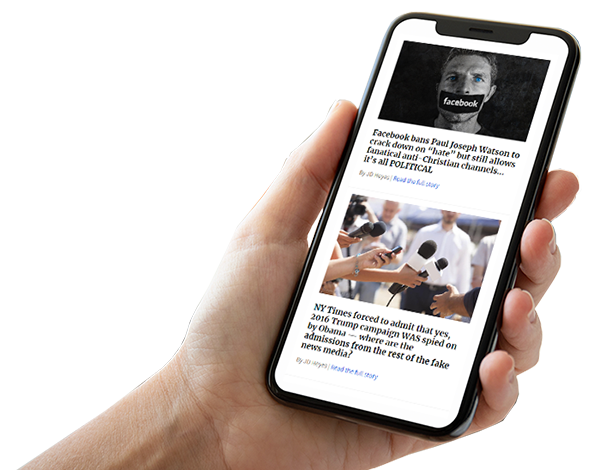

"Big Tech and mainstream media are constantly trying to silence the independent voices that dare to bring you the truth about toxic food ingredients, dangerous medications and the failed, fraudulent science of the profit-driven medical establishment.
Email is one of the best ways to make sure you stay informed, without the censorship of the tech giants (Google, Apple, Facebook, Twitter, YouTube, etc.). Stay informed and you'll even likely learn information that may help save your own life."
–The Health Ranger, Mike Adams