



Diabetes Drug Avandia Causes Brittle Bones, Researchers Declare
Wednesday, July 23, 2008 by: David Gutierrez, staff writer
Tags: Avandia, health news, Natural News
- Psychiatry's insiders revolt against flawed DSM-5
- Shock findings in new GMO study: Rats fed lifetime of GM corn grow horrifying tumors, 70% of females die early
- Pfizer pleads guilty to felony crime in fraudulent marketing of Bextra, pays billions in fines
- The REAL FAKE NEWS exposed: '97% of scientists agree on climate change' is an engineered hoax... here's what the media never told you
- Cocktail of Pharmaceuticals Found in the Fish Caught Near Major U.S. Cities
- Dr. Suzanne Humphries explains how vaccine industry policy promotes dishonesty
- Top five ingredients to avoid in deodorant
- Coconut sugar quickly replacing agave nectar as natural sweetener of choice
- Bill Gates says vaccines can help reduce world population
- Naturally Prevent and Remove Dangerous Arterial Plaque
- Whole Body Detoxification (Part 3): Far-Infrared Sauna Use
- Susan G. Komen for the Cure makes mockery of self with KFC pinkwashing campaign (opinion)
- Orwellian nightmare becomes reality for Florida woman after judge declares living 'off the grid' illegal
- GlaxoSmithKline admits to criminal pharma fraud in 3 billion dollar case
- The Gerson Therapy: Big Pharma and the AMA Suppress Another Holistic Cancer Cure
- Herbal tea can help with indigestion and insomnia
- Amazing antioxidant and disease fighting properties of melatonin
- 'Proof of Heaven' documents existence of afterlife, multiverse, intelligent life beyond Earth, multidimensional realities
- The REAL FAKE NEWS exposed: '97% of scientists agree on climate change' is an engineered hoax... here's what the media never told you
- The best and worst forms of magnesium to take as a supplement
- Choosing healthy foods now called a mental disorder
- War on drugs revealed as total hoax - US military admits to guarding, assisting lucrative opium trade in Afghanistan
- Antibiotics used in meat pose a threat to public health, admits FDA
- Corn Refiners Association wants to change name of high fructose corn syrup to "corn sugar"
- The hidden dangers of caffeine: How coffee causes exhaustion, fatigue and addiction
- Shock findings in new GMO study: Rats fed lifetime of GM corn grow horrifying tumors, 70% of females die early
- The United Nations 2030 Agenda decoded: It's a blueprint for the global enslavement of humanity under the boot of corporate masters
- The Australian kakadu plum is rich in vitamin C and phytochemicals
- New vitamin D recommendations promote nutritional deficiency, protect cancer industry
- Over 30,000 scientists say 'Catastrophic Man-Made Global Warming' is a complete hoax and science lie
- Colorado Batman shooting shows obvious signs of being staged
- J&J recalls 50 million more drugs on top of 200 million recalled throughout 2010
- Pfizer pleads guilty to felony crime in fraudulent marketing of Bextra, pays billions in fines
- Journalist Files Charges against WHO and UN for Bioterrorism and Intent to Commit Mass Murder
- Coffee enemas: A key to detoxification and whole-body wellness
- Psychiatry's insiders revolt against flawed DSM-5
- The REAL FAKE NEWS exposed: '97% of scientists agree on climate change' is an engineered hoax... here's what the media never told you
- Reverse and eliminate cataracts naturally without surgery
- The best and worst forms of magnesium to take as a supplement
- Shock findings in new GMO study: Rats fed lifetime of GM corn grow horrifying tumors, 70% of females die early
- Beat cancer with 35% hydrogen peroxide
- These 15 common herbs cure everything from infections to inflammation and indigestion
- Nine cancer cures that the Medical Mafia doesn't want you to know about
- Apricot Seeds Kill Cancer Cells without Side Effects
- The United Nations 2030 Agenda decoded: It's a blueprint for the global enslavement of humanity under the boot of corporate masters
- Antibiotics used in meat pose a threat to public health, admits FDA
- Lack of Forgiveness Can Affect Our Health
- REVEALED: Cancer industry profits 'locked in' by nagalase molecule injected into humans via vaccines... spurs tumor growth... explains aggressive vaccine push
- Merck vaccine scientist Dr. Maurice Hilleman admitted presence of SV40, AIDS and cancer viruses in vaccines
- Bill Gates says vaccines can help reduce world population
- Sickening: Major food corporations use tissue from aborted babies to manufacture flavor additives in processed foods
- What's really in vaccines? Proof of MSG, formaldehyde, aluminum and mercury
- Measles vaccines kill more people than measles, CDC data proves
- Vitamin B-12 warning: Avoid cyanocobalamin, take only methylcobalamin
- Liberalism is More than a Mental Illness – It’s TERRORISM against America’s Youth
- Why We Need the Charlie Kirk Free Speech Act: A Legal Shield Against the Censorship Industrial Complex
- A Billion Voices of Truth: Mike Adams Announces “Moonshot” Mission to Empower Humanity with Hidden Knowledge
- Urgent Wake-Up Call: The Coming AI Robot Wars and the Great Human Unity
- The AI Data Center Wars Have Begun… Farms, Water and Electricity is Stripped from Humans to Power the Machines
- Breaking down Charlie Kirk's assassination and the Israel connection
- New MAHA plan aims to tackle childhood health crisis with over 120 initiatives
- The assassination of Charlie Kirk: A grave blow to free speech in America
- How a nasal spray vaccine could turn Americans into walking bioweapons this Fall
- Alleged Kirk assassin’s radical left ties and chilling messages spark national security alarm
- 18 MILLION COVID-JABBED Japanese folks shown to have SIGNIFICANTLY HIGHER DEATH RATES during first year after injection with mRNA clot shots
- Questions Raised Over FBI Evidence Handling in Charlie Kirk Case; Kash Patel Criticizes Investigation
- Ilhan Omar sparks outrage with comments on slain conservative activist Charlie Kirk
- Coral resilience defies climate doom: New studies reveal ancient reefs flourished in warmer seas
- AI arms race & big tech censorship: Machines compete for resources while suppressing lifesaving knowledge
- A Stanford doctor's 661 studies proving “vaccines are safe” crumbled under expert scrutiny presented by attorney Aaron Siri
- Allegations about FBI evidence in Charlie Kirk assassination prompt calls for transparency
- Candace Owens reveals Charlie Kirk's secret struggle with Israel's pressure campaign





"These findings have potential clinical implications," the researchers wrote, "as they suggest that long-term rosiglitazone usage in the treatment of Type 2 diabetes and insulin resistance may cause osteoporosis, owing to a combination of decreased bone formation and increased bone resorption."
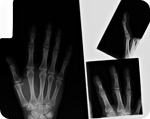
Researchers monitored the effects on bone breakdown and formation in mice that had been given Avandia. They found that the activity of osteoclasts was increased in the animals, leading to a loss of bone mass.
Osteoclasts are cells that continually destroy old bone in the body. In a healthy body, the same amount of bone is then created by cells called osteoblasts. In the mice taking Avandia, increased osteoclast activity without a concurrent increase in osteoblast activity lead to bone loss.
When the researchers blocked the gene that Avandia targets, however, the mice's osteoclasts failed to mature properly, leading to an increase in bone mass instead. According to the researchers, this suggests a new area of research for treating osteoporosis.
GlaxoSmith Kline has reported a greater risk of hand, upper arm and foot fractures in patients taking Avandia, but a company spokesperson said that GlaxoSmith Kline is not aware of any increase in the spinal fractures that are commonly associated with osteoporosis.
Controversy over Avandia erupted in May, when the FDA issued a warning that the drug raised the risk of heart attack and death among patients taking it. Since that time, prescription of the drug has dropped in the United States, but has continued to increase in parts of Europe. More than 1.5 million prescriptions for rosiglitazone and the related drug pioglitazone were given out in 2006.


Avandia at FETCH.news
Get independent news alerts on natural cures, food lab tests, cannabis medicine, science, robotics, drones, privacy and more.

Take Action: Support Natural News by linking to this article from your website
Permalink to this article:
Embed article link: (copy HTML code below):
Reprinting this article:
Non-commercial use OK, cite NaturalNews.com with clickable link.
Follow Natural News on Facebook, Twitter, Google Plus, and Pinterest

Science News & Studies

Medicine News and Information

Food News & Studies

Health News & Studies

Herbs News & Information

Pollution News & Studies

Cancer News & Studies

Climate News & Studies

Survival News & Information

Gear News & Information

News covering technology, stocks, hackers, and more






"Big Tech and mainstream media are constantly trying to silence the independent voices that dare to bring you the truth about toxic food ingredients, dangerous medications and the failed, fraudulent science of the profit-driven medical establishment.
Email is one of the best ways to make sure you stay informed, without the censorship of the tech giants (Google, Apple, Facebook, Twitter, YouTube, etc.). Stay informed and you'll even likely learn information that may help save your own life."
–The Health Ranger, Mike Adams