



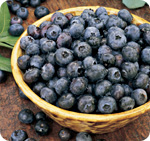
Blueberries control high cholesterol and prevent colon cancer
Wednesday, March 12, 2008 by: David Gutierrez, staff writer
Tags: blueberries, health news, Natural News
- Dental x-rays can cause brain tumors
- The United Nations 2030 Agenda decoded: It's a blueprint for the global enslavement of humanity under the boot of corporate masters
- Before his death, father of ADHD admitted it was a fictitious disease
- Apricot Seeds Kill Cancer Cells without Side Effects
- The lost interview with the late Dr. Nicholas Gonzalez: Chemotherapy drugs are derived from World War I nerve gas chemicals
- Bill Gates says vaccines can help reduce world population
- Ten Natural Ways Grow Hair and Reduce Hair Loss
- Minimizing Vaccine Side Effects
- The dirty history of Big Pharma's scientific censorship, oppression and destruction of human knowledge
- Top 10 amazing, indigenous, all-natural cures from around the world
- There's no such thing as WHITE people... we are all people of color, and I'm a red-skinned American Indian (seriously)
- Beat cancer with 35% hydrogen peroxide
- Revealed: which fruit and vegetable juices alleviate arthritis pain without drugs or surgery
- Chinese herbs prevent hair loss & stimulate natural hair restoration without the need for baldness drugs
- Aldosterone Provides New Treatment for Age-Related Hearing Loss
- Smokers or past smokers: Six ways to cleanse and revitalize your lungs
- More than 95% accurate, this early detection cancer test could save your life without the risk of radiological screenings
- Whole Foods caught in GMO marketing deception, false advertising - here's the proof
- Home remedies from herbal teas and grocery foods dissolve kidney stones and reverse renal failure
- The REAL FAKE NEWS exposed: '97% of scientists agree on climate change' is an engineered hoax... here's what the media never told you
- Lack of Forgiveness Can Affect Our Health
- There is nothing innocent about these baby carrots
- The United Nations 2030 Agenda decoded: It's a blueprint for the global enslavement of humanity under the boot of corporate masters
- Indian black salve: The magical cancer cure
- Apricot Seeds Kill Cancer Cells without Side Effects
- Health Basics: The 11 most toxic vaccine ingredients and their side effects
- How to Detox Fluorides from Your Body
- Dental x-rays can cause brain tumors
- 30 solid scientific studies that prove vaccines are linked with autism
- Proof: MMS cures malaria, despite Red Cross cover-up
- Ten reasons why you shouldn't vaccinate your children
- Lowe's agrees to $500,000 fine for violating lead paint rules
- Before his death, father of ADHD admitted it was a fictitious disease
- Bill Gates says vaccines can help reduce world population
- Boost Low White Blood Cell Count and Immune Function Naturally
- Forget Filling Cavities: Regrow Your Teeth Instead
- The REAL FAKE NEWS exposed: '97% of scientists agree on climate change' is an engineered hoax... here's what the media never told you
- Peanut oil in vaccines behind widespread peanut allergy epidemic
- 'Never has there been a safe vaccine,' Suzanne Humphries, MD, says in interview
- Home remedies from herbal teas and grocery foods dissolve kidney stones and reverse renal failure
- Lack of Forgiveness Can Affect Our Health
- Forget Filling Cavities: Regrow Your Teeth Instead
- The United Nations 2030 Agenda decoded: It's a blueprint for the global enslavement of humanity under the boot of corporate masters
- Bill Gates says vaccines can help reduce world population
- The best and worst forms of magnesium to take as a supplement
- Apricot Seeds Kill Cancer Cells without Side Effects
- Global warming data FAKED by government to fit climate change fictions
- Eighteen Overlooked Symptoms of Adrenal Fatigue
- Beat cancer with 35% hydrogen peroxide
- Ten reasons why you shouldn't vaccinate your children
- How to Detox Fluorides from Your Body
- Canola oil: a chemical carcinogen that doesn't belong anywhere near your food
- Baking Soda Prevents Kidney Disease, Renal Failure and Kidney Dialysis
- The aloe vera miracle: A natural medicine for cancer, cholesterol, diabetes, inflammation, IBS, and other health conditions
- The REAL FAKE NEWS exposed: '97% of scientists agree on climate change' is an engineered hoax... here's what the media never told you
- Beat cancer with 35% hydrogen peroxide
- The best and worst forms of magnesium to take as a supplement
- The United Nations 2030 Agenda decoded: It's a blueprint for the global enslavement of humanity under the boot of corporate masters
- Apricot Seeds Kill Cancer Cells without Side Effects
- Bill Gates says vaccines can help reduce world population
- Forget Filling Cavities: Regrow Your Teeth Instead
- The MMR vaccine, autism connection
- Six little-known natural remedies for tinnitus
- Supplements to detox the body from vaccinations
- What's really in vaccines? Proof of MSG, formaldehyde, aluminum and mercury
- Dandelion root extract found to kill leukemia cells, prostate cancer cells and chemo-resistant melanoma
- Reverse and eliminate cataracts naturally without surgery
- Peanut oil in vaccines behind widespread peanut allergy epidemic
- High-dose vitamin C injections shown to annihilate cancer
- Indian black salve: The magical cancer cure
- INVESTIGATION: Three days before Dr. Bradstreet was found dead in a river, U.S. govt. agents raided his research facility to seize a breakthrough cancer treatment called GcMAF
- Eighteen Overlooked Symptoms of Adrenal Fatigue





In the second study, scientists at Rutgers University dosed 18 rats with a toxin intended to induce colon lesions. Half of these rats had a small quantity (40 parts per million) of pterostilbene -- a compound naturally occurring in blueberries -- added to their food. The pterostilbene-treated rats developed 57 percent fewer colon lesions than the rats that had not been so treated.
Much research has been conducted recently on the purported health benefits of blueberries. The berries are known to be high in antioxidants and other phytochemicals known to reduce the risk of some cancers. Laboratory research has supported this hypothesis, as have some animal studies. In addition, animal studies have suggested that dietary consumption of blueberries helps reduce the risk of urinary tract infections and heart disease, decrease the damage caused by strokes, and helps to stave off Alzheimer's disease and other age-related conditions.
Pterostilbene in particular is thought to be one of the primary chemicals that contribute to these effects. Animal studies have linked the chemicals to decreased cognitive impairment due to age, reduction in blood cholesterol and fat levels, and even reductions in blood glucose levels.
Non-organically grown blueberries may contain carcinogenic pesticide residues. The Environmental Working Group recently ranked blueberries at number 31 of 43 fruits and vegetables tested for pesticide residue.


Blueberries at FETCH.news
Get independent news alerts on natural cures, food lab tests, cannabis medicine, science, robotics, drones, privacy and more.

Take Action: Support Natural News by linking to this article from your website
Permalink to this article:
Embed article link: (copy HTML code below):
Reprinting this article:
Non-commercial use OK, cite NaturalNews.com with clickable link.
Follow Natural News on Facebook, Twitter, Google Plus, and Pinterest

Science News & Studies

Medicine News and Information

Food News & Studies

Health News & Studies

Herbs News & Information

Pollution News & Studies

Cancer News & Studies

Climate News & Studies

Survival News & Information

Gear News & Information

News covering technology, stocks, hackers, and more





"Big Tech and mainstream media are constantly trying to silence the independent voices that dare to bring you the truth about toxic food ingredients, dangerous medications and the failed, fraudulent science of the profit-driven medical establishment.
Email is one of the best ways to make sure you stay informed, without the censorship of the tech giants (Google, Apple, Facebook, Twitter, YouTube, etc.). Stay informed and you'll even likely learn information that may help save your own life."
–The Health Ranger, Mike Adams