




The textured vegetable protein experiment: Even rabbits won't eat it
 Tuesday, May 30, 2006 Tuesday, May 30, 2006by Mike Adams, the Health Ranger Editor of NaturalNews.com (See all articles...) Tags: soy products, soy protein, textured vegetable protein |
- The REAL FAKE NEWS exposed: '97% of scientists agree on climate change' is an engineered hoax... here's what the media never told you
- Repeat business? FDA approves new cancer drug to treat toxicity caused by another cancer drug
- Can you treat cancer with nutrition? Here's what doctors are doing right now
- It's all scripted! Ebola outbreak and impossibly rapid vaccine response clearly scripted; U.S. govt. patented Ebola in 2010 and now owns all victims' blood
- Merck vaccine scientist Dr. Maurice Hilleman admitted presence of SV40, AIDS and cancer viruses in vaccines
- Peanut oil in vaccines behind widespread peanut allergy epidemic
- Health blogger threatened with jail time for advocating Paleo diet that cured his diabetes
- Terminal stage IV lung cancer patient miraculously cured by cannabis oil
- Shock findings in new GMO study: Rats fed lifetime of GM corn grow horrifying tumors, 70% of females die early
- Breaking: Courts discreetly confirm MMR vaccine causes autism
- Ron Paul Introduces Three New Bills Designed to Restore Free Speech to Health
- Collecting rainwater now illegal in many states as Big Government claims ownership over our water
- Magnesium Deficiency Linked to ADD and ADHD in Children
- Deceptive 'Parental Rights Amendment' to hand over control of your children to federal government: Tell your reps to oppose!
- CDC advises pregnant women to get aluminum- and formaldehyde-filled Tdap vaccine despite lack of safety
- Over A Million Men Overdiagnosed for Prostate Cancer, Treated Unnecessarily
- Anti-vaccine backlash: Thousands refuse to enroll in Austin Community College
- Cod Liver Oil: The Number One Superfood
- Peanut oil in vaccines behind widespread peanut allergy epidemic
- The REAL FAKE NEWS exposed: '97% of scientists agree on climate change' is an engineered hoax... here's what the media never told you
- The United Nations 2030 Agenda decoded: It's a blueprint for the global enslavement of humanity under the boot of corporate masters
- Forget Filling Cavities: Regrow Your Teeth Instead
- Beat cancer with 35% hydrogen peroxide
- Cancer is not a Disease - It's a Survival Mechanism (Book Excerpt)
- Tyson Foods Fined $500,000 in Death Of Worker Who Inhaled Chicken Processing Plant Fumes
- Bill Gates says vaccines can help reduce world population
- Measles outbreak likely caused by vaccinated children, science shows
- Health Ranger threatened by Dr. Fata chemotherapy victims group after attempting to donate immune-boosting nutritional supplements to its members
- U.S. has worst health outcomes of all wealthy countries, study finds
- Colorado Batman shooting shows obvious signs of being staged
- Shock findings in new GMO study: Rats fed lifetime of GM corn grow horrifying tumors, 70% of females die early
- 3 reasons hospitals are not a good place to heal
- CENSORED: The Atlantic buried this amazing interview with the Health Ranger after realizing his answers made too much sense
- Review: Pure Synergy and Vita Synergy food-based vitamins and supplements
- Mammograms cause breast cancer, groundbreaking new research declares
- Reverse and eliminate cataracts naturally without surgery
- 'Never has there been a safe vaccine,' Suzanne Humphries, MD, says in interview
- Peanut oil in vaccines behind widespread peanut allergy epidemic
- The REAL FAKE NEWS exposed: '97% of scientists agree on climate change' is an engineered hoax... here's what the media never told you
- Bill Gates says vaccines can help reduce world population
- Lack of Forgiveness Can Affect Our Health
- The United Nations 2030 Agenda decoded: It's a blueprint for the global enslavement of humanity under the boot of corporate masters
- Shock findings in new GMO study: Rats fed lifetime of GM corn grow horrifying tumors, 70% of females die early
- The best and worst forms of magnesium to take as a supplement
- Beat cancer with 35% hydrogen peroxide
- Forget Filling Cavities: Regrow Your Teeth Instead
- Global warming data FAKED by government to fit climate change fictions
- Eighteen Overlooked Symptoms of Adrenal Fatigue
- Apricot Seeds Kill Cancer Cells without Side Effects
- Baking Soda Prevents Kidney Disease, Renal Failure and Kidney Dialysis
- Colorado Batman shooting shows obvious signs of being staged
- How to Detox Fluorides from Your Body
- Antibiotics used in meat pose a threat to public health, admits FDA
- Urgent lawsuit filed against FDA to halt swine flu vaccines; claims FDA violated federal law
- The REAL FAKE NEWS exposed: '97% of scientists agree on climate change' is an engineered hoax... here's what the media never told you
- Beat cancer with 35% hydrogen peroxide
- The best and worst forms of magnesium to take as a supplement
- The United Nations 2030 Agenda decoded: It's a blueprint for the global enslavement of humanity under the boot of corporate masters
- Apricot Seeds Kill Cancer Cells without Side Effects
- Bill Gates says vaccines can help reduce world population
- Forget Filling Cavities: Regrow Your Teeth Instead
- Six little-known natural remedies for tinnitus
- The MMR vaccine, autism connection
- Supplements to detox the body from vaccinations
- Dandelion root extract found to kill leukemia cells, prostate cancer cells and chemo-resistant melanoma
- What's really in vaccines? Proof of MSG, formaldehyde, aluminum and mercury
- Reverse and eliminate cataracts naturally without surgery
- High-dose vitamin C injections shown to annihilate cancer
- Peanut oil in vaccines behind widespread peanut allergy epidemic
- Indian black salve: The magical cancer cure
- INVESTIGATION: Three days before Dr. Bradstreet was found dead in a river, U.S. govt. agents raided his research facility to seize a breakthrough cancer treatment called GcMAF
- The aloe vera miracle: A natural medicine for cancer, cholesterol, diabetes, inflammation, IBS, and other health conditions





This is very interesting, because animals will eat just about any kind of food you can imagine, and if the birds or rabbits don't eat it, the ants usually carry it away. But this stuff just sat out there for two solid days, which I've never seen before. Usually things disappear within a matter of hours, but this textured vegetable protein appears to be non-food from the perspective of animals.
I have a great deal of trust in nature. Animals have good survival skills. They know what's good for them, what they should eat and what they should try to avoid, and they are definitely avoiding this TVP, so it's really making me wonder: What's wrong with this so-called food?
I've researched the opinions of quite a few health experts on textured vegetable protein. Dr. Russell Blaylock urges me to avoid all processed soy products. He says that many of them have free glutamate, or MSG, in them, and I've definitely observed that to be true. For example, most of the vegetarian beef jerky products, or the textured vegetable protein products, contain yeast extract, MSG or some other kind of chemical taste-enhancer.
I've also received literally hundreds of emails from readers asking my opinion on soy and whether I'm aware of some of the nutritional dangers of relying too much on soy. To date, my position has always been if you're going to eat soy, fermented soy -- like miso or properly processed tofu -- is best, but non-fermented soy is probably something not to be used in very large doses.
In the past, I have eaten quite a bit of soy, including soy protein, but my favorite protein source at this point is actually rice protein, because I think it's a cleaner protein. Occasionally I will use high-quality whey protein, but I continue to notice that it's not as "clean" a protein source as rice protein. I'm definitely not going to be buying TVP chunks any more. If the rabbits won't eat them, that's scary. Rabbits will eat practically anything, including cacti, old fruit, dried lettuce, and vegetable scraps. But they won't eat textured vegetable protein, at least not in my back yard.
Yet look at all the processed soy protein found in protein bars, cereals and frozen pizza. It's even used in burgers at fast food chains. Why are we all eating what rabbits refuse to eat? Could it be that desert rabbits know something we don't? Maybe they know that textured vegetable protein isn't really food.
It's something to seriously consider. If starving animals, whose very survival depends on finding enough calories in a harsh environment, won't eat this textured vegetable protein, then maybe we should take a closer look at why.
After three days, by the way, the TVP finally disappeared. Apparently some animal was so close to starvation that it decided to eat the TVP as a last resort. I hope the little guy is ok.


Soy products at FETCH.news
Get independent news alerts on natural cures, food lab tests, cannabis medicine, science, robotics, drones, privacy and more.
 About the author:Mike Adams (aka the "Health Ranger") is a best selling author (#1 best selling science book on Amazon.com) and a globally recognized scientific researcher in clean foods. He serves as the founding editor of NaturalNews.com and the lab science director of an internationally accredited (ISO 17025) analytical laboratory known as CWC Labs. There, he was awarded a Certificate of Excellence for achieving extremely high accuracy in the analysis of toxic elements in unknown water samples using ICP-MS instrumentation. Adams is also highly proficient in running liquid chromatography, ion chromatography and mass spectrometry time-of-flight analytical instrumentation.
Adams is a person of color whose ancestors include Africans and Native American Indians. He's also of Native American heritage, which he credits as inspiring his "Health Ranger" passion for protecting life and nature against the destruction caused by chemicals, heavy metals and other forms of pollution.
Adams is the founder and publisher of the open source science journal Natural Science Journal, the author of numerous peer-reviewed science papers published by the journal, and the author of the world's first book that published ICP-MS heavy metals analysis results for foods, dietary supplements, pet food, spices and fast food. The book is entitled Food Forensics and is published by BenBella Books.
In his laboratory research, Adams has made numerous food safety breakthroughs such as revealing rice protein products imported from Asia to be contaminated with toxic heavy metals like lead, cadmium and tungsten. Adams was the first food science researcher to document high levels of tungsten in superfoods. He also discovered over 11 ppm lead in imported mangosteen powder, and led an industry-wide voluntary agreement to limit heavy metals in rice protein products.
In addition to his lab work, Adams is also the (non-paid) executive director of the non-profit Consumer Wellness Center (CWC), an organization that redirects 100% of its donations receipts to grant programs that teach children and women how to grow their own food or vastly improve their nutrition. Through the non-profit CWC, Adams also launched Nutrition Rescue, a program that donates essential vitamins to people in need. Click here to see some of the CWC success stories.
With a background in science and software technology, Adams is the original founder of the email newsletter technology company known as Arial Software. Using his technical experience combined with his love for natural health, Adams developed and deployed the content management system currently driving NaturalNews.com. He also engineered the high-level statistical algorithms that power SCIENCE.naturalnews.com, a massive research resource featuring over 10 million scientific studies.
Adams is well known for his incredibly popular consumer activism video blowing the lid on fake blueberries used throughout the food supply. He has also exposed "strange fibers" found in Chicken McNuggets, fake academic credentials of so-called health "gurus," dangerous "detox" products imported as battery acid and sold for oral consumption, fake acai berry scams, the California raw milk raids, the vaccine research fraud revealed by industry whistleblowers and many other topics.
Adams has also helped defend the rights of home gardeners and protect the medical freedom rights of parents. Adams is widely recognized to have made a remarkable global impact on issues like GMOs, vaccines, nutrition therapies, human consciousness.
In addition to his activism, Adams is an accomplished musician who has released over a dozen popular songs covering a variety of activism topics.
Click here to read a more detailed bio on Mike Adams, the Health Ranger, at HealthRanger.com.

Take Action: Support Natural News by linking to this article from your website
Permalink to this article:
Embed article link: (copy HTML code below):
Reprinting this article:
Non-commercial use OK, cite NaturalNews.com with clickable link.
Follow Natural News on Facebook, Twitter, Google Plus, and Pinterest

Science News & Studies

Medicine News and Information

Food News & Studies

Health News & Studies

Herbs News & Information

Pollution News & Studies

Cancer News & Studies

Climate News & Studies

Survival News & Information

Gear News & Information

News covering technology, stocks, hackers, and more




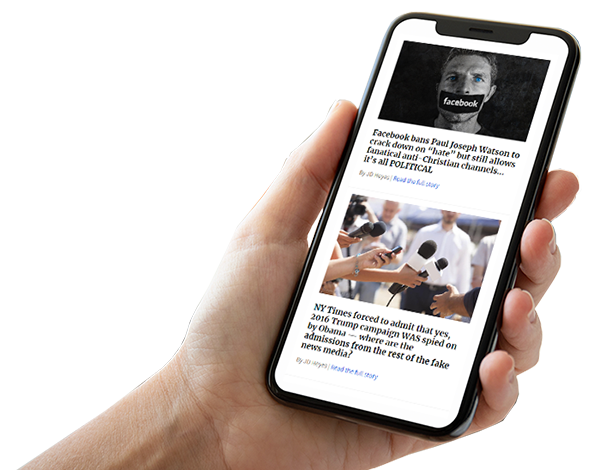

"Big Tech and mainstream media are constantly trying to silence the independent voices that dare to bring you the truth about toxic food ingredients, dangerous medications and the failed, fraudulent science of the profit-driven medical establishment.
Email is one of the best ways to make sure you stay informed, without the censorship of the tech giants (Google, Apple, Facebook, Twitter, YouTube, etc.). Stay informed and you'll even likely learn information that may help save your own life."
–The Health Ranger, Mike Adams