



Human rights alert: Coca-Cola suppliers buy materials from El Salvador companies that practice child labor
Monday, February 27, 2006 by: Dani Veracity
Tags: coca-cola, child labor, human rights
- Tyson Foods Fined $500,000 in Death Of Worker Who Inhaled Chicken Processing Plant Fumes
- U.S. has worst health outcomes of all wealthy countries, study finds
- Review: Pure Synergy and Vita Synergy food-based vitamins and supplements
- Pesticides found in majority of drinking water tested; EPA warns consumers need water upgrades
- Beat cancer with 35% hydrogen peroxide
- The United Nations 2030 Agenda decoded: It's a blueprint for the global enslavement of humanity under the boot of corporate masters
- Peanut oil in vaccines behind widespread peanut allergy epidemic
- Why focus on health freedom? Because our future is worth protecting, says Health Ranger
- $10,000 reward offered for scientific proof of H1N1 vaccine safety and effectiveness
- Shock findings in new GMO study: Rats fed lifetime of GM corn grow horrifying tumors, 70% of females die early
- Bill Gates says vaccines can help reduce world population
- Total information blackout on Fukushima Unit 4 reactor raises serious questions about truth of situation
- Worse than meth: Facebook is altering your mind and turning you into a slave
- He Shou Wu is the Most Amazing Longevity Herb of All
- Curcumin slays cancer cells in their tracks
- Learn How Chlorella Relieves Arthritis and Joint Pain
- Breaking a compact fluorescent light bulb could cost you $2,000 in toxic mercury cleanup
- Menadione Sodium Bisulfate: A Pet Food Ingredient to Be Wary of
- Peanut oil in vaccines behind widespread peanut allergy epidemic
- Bill Gates says vaccines can help reduce world population
- Beat cancer with 35% hydrogen peroxide
- Cancer is not a Disease - It's a Survival Mechanism (Book Excerpt)
- Forget Filling Cavities: Regrow Your Teeth Instead
- Apricot Seeds Kill Cancer Cells without Side Effects
- Tyson Foods Fined $500,000 in Death Of Worker Who Inhaled Chicken Processing Plant Fumes
- The United Nations 2030 Agenda decoded: It's a blueprint for the global enslavement of humanity under the boot of corporate masters
- The REAL FAKE NEWS exposed: '97% of scientists agree on climate change' is an engineered hoax... here's what the media never told you
- Health Ranger threatened by Dr. Fata chemotherapy victims group after attempting to donate immune-boosting nutritional supplements to its members
- Six little-known natural remedies for tinnitus
- U.S. has worst health outcomes of all wealthy countries, study finds
- 3 reasons hospitals are not a good place to heal
- Global warming data FAKED by government to fit climate change fictions
- CENSORED: The Atlantic buried this amazing interview with the Health Ranger after realizing his answers made too much sense
- Pesticides found in majority of drinking water tested; EPA warns consumers need water upgrades
- Review: Pure Synergy and Vita Synergy food-based vitamins and supplements
- Reverse and eliminate cataracts naturally without surgery
- 'Never has there been a safe vaccine,' Suzanne Humphries, MD, says in interview
- Peanut oil in vaccines behind widespread peanut allergy epidemic
- The REAL FAKE NEWS exposed: '97% of scientists agree on climate change' is an engineered hoax... here's what the media never told you
- Bill Gates says vaccines can help reduce world population
- The best and worst forms of magnesium to take as a supplement
- Lack of Forgiveness Can Affect Our Health
- The United Nations 2030 Agenda decoded: It's a blueprint for the global enslavement of humanity under the boot of corporate masters
- Beat cancer with 35% hydrogen peroxide
- Shock findings in new GMO study: Rats fed lifetime of GM corn grow horrifying tumors, 70% of females die early
- Apricot Seeds Kill Cancer Cells without Side Effects
- Eighteen Overlooked Symptoms of Adrenal Fatigue
- Global warming data FAKED by government to fit climate change fictions
- Forget Filling Cavities: Regrow Your Teeth Instead
- Baking Soda Prevents Kidney Disease, Renal Failure and Kidney Dialysis
- Antibiotics used in meat pose a threat to public health, admits FDA
- Colorado Batman shooting shows obvious signs of being staged
- How to Detox Fluorides from Your Body
- A common vegetable cures skin cancer
- The REAL FAKE NEWS exposed: '97% of scientists agree on climate change' is an engineered hoax... here's what the media never told you
- Beat cancer with 35% hydrogen peroxide
- The best and worst forms of magnesium to take as a supplement
- The United Nations 2030 Agenda decoded: It's a blueprint for the global enslavement of humanity under the boot of corporate masters
- Apricot Seeds Kill Cancer Cells without Side Effects
- Bill Gates says vaccines can help reduce world population
- Forget Filling Cavities: Regrow Your Teeth Instead
- Six little-known natural remedies for tinnitus
- The MMR vaccine, autism connection
- Supplements to detox the body from vaccinations
- What's really in vaccines? Proof of MSG, formaldehyde, aluminum and mercury
- Dandelion root extract found to kill leukemia cells, prostate cancer cells and chemo-resistant melanoma
- Reverse and eliminate cataracts naturally without surgery
- High-dose vitamin C injections shown to annihilate cancer
- Indian black salve: The magical cancer cure
- Peanut oil in vaccines behind widespread peanut allergy epidemic
- Dandelion root far more effective in fighting cancer cells than chemotherapy
- The aloe vera miracle: A natural medicine for cancer, cholesterol, diabetes, inflammation, IBS, and other health conditions





In June 2004, Human Rights Watch published a 143-page report entitled Turning a Blind Eye: Hazardous Child Labor in El Salvador's Sugarcane Cultivation, revealing Coca-Cola's use of sugarcane harvested by children as young as eight years old. Though national and international child labor authorities -- including the Convention on the Rights of the Child, the Protocol of San Salvador, the Minimum Age Convention and the Worst Forms of Child Labour Convention -- prohibit minors under the age of 18 from doing hazardous or harmful work, plantation owners circumvent these laws by classifying young children and teenagers who work with parents or older siblings as "helpers" rather than the employees they actually are.
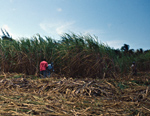
These young "helpers" work harder than some adults work in the United States. Though some girls cut sugarcane, they usually work planting "green cane," which is sugarcane that has not been burned to remove the leaves and spines on the stalk. Unfortunately, these leaves and spines often irritate planters' skin, resulting in huge blisters and scars on their hands. Some child workers have the job of carrying tanks of herbicides on their backs and spraying the cane with a handheld nozzle, exposing themselves to dangerous chemicals in the process. However, the majority of child laborers work as harvesters -- cutting burned sugarcane with machetes and other sharp tools. As you might imagine, many children cut themselves in the process. In fact, the Human Rights Watch (HRW) writes, "Researchers saw scars and cuts on nearly every one of the children we interviewed, including some that were still bandaged." Along with these cuts and gashes, harvesters also experience respiratory problems from inhaling the smoky air that lingers in the fields, even though sugarcane is generally burned the day before harvesting to give it a chance to cool off.
Despite these health hazards, medical care is often not readily available on the plantations. At one plantation visited by HRW researchers, a doctor doesn't arrive until 2 p.m., which is much too late for workers seriously injured in the morning. These workers must instead go to the hospital for treatment, and plantation owners generally do not reimburse workers for hospital costs, even though El Salvador's labor code states that employers are responsible for on-the-job injuries. The expense of medical treatment -- though it only ranges from about $1.14 for stitches to $11.43 for "something serious" -- is often too much for these children's families to afford, so many injured child workers go without medical care. Of course, this can lead to extensive blood loss and infection, but these poor families have little choice in the matter.
Though sugarcane plantation owners break these national and international labor codes, the state of El Salvador's economy allows these injustices to continue because many poverty-stricken families have no alternative but to succumb to these horrific child labor practices. As HRW explains, "As with other forms of hazardous labor, children turn to sugarcane cultivation because of the economic pressures their families face. Last modified in 1998, the minimum monthly wage for agricultural work is $74.06. A rural family cannot meet its basic needs on a single wage earner's salary. According to the El Salvador-based National Foundation for Development, the minimum monthly wage would have to be raised by 30 percent to cover a rural family's basic food needs alone." In other words, many poverty-stricken parents allow their children to participate in such high-risk work because it is either that or starve.
Worst of all, Coca-Cola, a major international corporation with the power to make a difference, is allowing these detrimental child labor practices to continue. Its Guiding Principles for Suppliers to The Coca-Cola Company reads, "Supplier will not use child labor as defined by local law," yet these principles do not extend one more step of the supply chain to apply to their suppliers' supplier of materials. Coca-Cola buys refined sugar for its bottled products sold in El Salvador and its canned products sold throughout Central America directly from Compañía Azucarera Salvadoreña, S.A. de C.V's Central Izalco mill, a company that does not violate child labor practices. However, according to Human Rights Watch, "at least four of Central Izalco's supplier plantations routinely use child labor." When HRW gave this information to Coca-Cola, the company did not deny its validity, instead leaning on the detail that its direct supplier does not use child labor. "We reconfirm that the information from HRW visits in El Salvador as well as our own review, show that no child labor is used either in the mill, or in the refinery plant of the entity CASSA [Compañía Azucarera Salvadoreña], which is an authorized supplier and subject to TCCC's supplier guiding principles program," Coca-Cola responded to HRW.
Though this response suggests Coca-Cola does not violate its own guidelines regarding child labor, it also makes one wonder about the sincerity of the company's concern over child labor practices. As Michael Bochenek, counsel to HRW's Children's Rights Division, told Jim Lobe of CorpWatch in 2004, "Coke is saying that it has no responsibility to look beyond their direct suppliers, and we disagree. If Coca-Cola is serious about avoiding complicity in the use of hazardous child labor, the company should recognize its responsibility to ensure that respect for human rights extends down the supply chain."
If the Coca-Cola Company were to recognize this responsibility, it could limit, and possibly even put an end to, child labor on Salvadoran sugarcane plantations. According to a representative from Central Izalco, the mill is Coca-Cola's sole Salvadoran sugar supplier. This means that if the Cola-Cola Company were to withdraw its business until Central Izalco switched to buying sugarcane only from plantations not employing child labor, it would be economically feasible -- if not necessary -- for Central Izalco to comply with these stricter guidelines. This isn't a far stretch, as 35 percent of the mill's suppliers are already under the mill's direct administration. Consequently, since Central Izalco is the largest mill in El Salvador, sugarcane plantation owners would then have no choice but to follow the mill's anti-child labor guidelines, or else risk losing a large portion of their business. If this were to happen, Salvadoran children could regularly attend school instead of missing entire days or the first several weeks or months of school during harvest time, and they could focus on homework instead of attending classes after putting in a full day's work from 5 a.m. on.
This switch from child labor to child education could finally change El Salvador's economy for the better. According to the U.S. Department of Labor's Bureau of International Labor Affairs, "Schooling almost always leads to better outcomes, both socially and economically, than working for children." Due to the very nature of the supply-and-demand chain, the Coca-Cola Company can make this groundbreaking change happen, if its willing to put its foot down and demand it.


Coca-cola at FETCH.news
Get independent news alerts on natural cures, food lab tests, cannabis medicine, science, robotics, drones, privacy and more.

Take Action: Support Natural News by linking to this article from your website
Permalink to this article:
Embed article link: (copy HTML code below):
Reprinting this article:
Non-commercial use OK, cite NaturalNews.com with clickable link.
Follow Natural News on Facebook, Twitter, Google Plus, and Pinterest

Science News & Studies

Medicine News and Information

Food News & Studies

Health News & Studies

Herbs News & Information

Pollution News & Studies

Cancer News & Studies

Climate News & Studies

Survival News & Information

Gear News & Information

News covering technology, stocks, hackers, and more






"Big Tech and mainstream media are constantly trying to silence the independent voices that dare to bring you the truth about toxic food ingredients, dangerous medications and the failed, fraudulent science of the profit-driven medical establishment.
Email is one of the best ways to make sure you stay informed, without the censorship of the tech giants (Google, Apple, Facebook, Twitter, YouTube, etc.). Stay informed and you'll even likely learn information that may help save your own life."
–The Health Ranger, Mike Adams