




- The REAL FAKE NEWS exposed: '97% of scientists agree on climate change' is an engineered hoax... here's what the media never told you
- There is nothing innocent about these baby carrots
- Five unbeatable essential oils to help stop chronic digestive distress
- Boost Low White Blood Cell Count and Immune Function Naturally
- Home remedies from herbal teas and grocery foods dissolve kidney stones and reverse renal failure
- Heal and Soothe Stomach Ulcers without Mainstream Drugs
- The eight best home remedies and holistic treatments to relieve tinnitus and ringing in the ears
- The myth of the 'low-fat' diet, and why consuming healthy fats is vital to your health
- FDA finally admits chicken meat contains cancer-causing arsenic (but keep eating it, yo!)
- Reverse and eliminate cataracts naturally without surgery
- Highly toxic squalene MF59 adjuvant that caused Gulf War syndrome in military servicemen now being added to some civilian flu vaccines
- Curcumin causes colon cancer cells to self-destruct
- The 21 curious questions we're never allowed to ask about vaccines
- Know the Importance of Taking Enough Magnesium with Your Vitamin D
- Bee Propolis Stops Tumors from Neurofibromatosis and Cancer
- Top six alkaline foods to eat every day for vibrant health
- Measles vaccine far more dangerous than measles itself
- Pope calls for world government, 'New World Order'
- The REAL FAKE NEWS exposed: '97% of scientists agree on climate change' is an engineered hoax... here's what the media never told you
- Home remedies from herbal teas and grocery foods dissolve kidney stones and reverse renal failure
- Gandhi still right after 90 years: Vaccines are toxic, unhealthy and ineffective
- Canola oil: a chemical carcinogen that doesn't belong anywhere near your food
- Ten reasons why you shouldn't vaccinate your children
- Peanut oil in vaccines behind widespread peanut allergy epidemic
- Heal yourself in 15 days by fasting for 24 hours (part six)
- The best and worst forms of magnesium to take as a supplement
- Mainstream media websites promoting Acai Berry Diet weight loss scam with "weird belly fat tips" ads
- Forget Filling Cavities: Regrow Your Teeth Instead
- There is nothing innocent about these baby carrots
- Every mass shooting over last 20 years has one thing in common... and it's not guns
- Heal and Soothe Stomach Ulcers without Mainstream Drugs
- Surgeon General, scientists agree: Cigarettes are more addictive and deadly than ever before
- Thermograms - a safe, accurate and reliable alternative to mammograms
- The aloe vera miracle: A natural medicine for cancer, cholesterol, diabetes, inflammation, IBS, and other health conditions
- Lack of Forgiveness Can Affect Our Health
- Measles vaccine far more dangerous than measles itself
- Peanut oil in vaccines behind widespread peanut allergy epidemic
- 'Never has there been a safe vaccine,' Suzanne Humphries, MD, says in interview
- The REAL FAKE NEWS exposed: '97% of scientists agree on climate change' is an engineered hoax... here's what the media never told you
- Lack of Forgiveness Can Affect Our Health
- Bill Gates says vaccines can help reduce world population
- Forget Filling Cavities: Regrow Your Teeth Instead
- The best and worst forms of magnesium to take as a supplement
- The United Nations 2030 Agenda decoded: It's a blueprint for the global enslavement of humanity under the boot of corporate masters
- Eighteen Overlooked Symptoms of Adrenal Fatigue
- Global warming data FAKED by government to fit climate change fictions
- Home remedies from herbal teas and grocery foods dissolve kidney stones and reverse renal failure
- Shock findings in new GMO study: Rats fed lifetime of GM corn grow horrifying tumors, 70% of females die early
- Apricot Seeds Kill Cancer Cells without Side Effects
- Beat cancer with 35% hydrogen peroxide
- Baking Soda Prevents Kidney Disease, Renal Failure and Kidney Dialysis
- How to Detox Fluorides from Your Body
- Canola oil: a chemical carcinogen that doesn't belong anywhere near your food
- Colorado Batman shooting shows obvious signs of being staged
- The REAL FAKE NEWS exposed: '97% of scientists agree on climate change' is an engineered hoax... here's what the media never told you
- Beat cancer with 35% hydrogen peroxide
- The best and worst forms of magnesium to take as a supplement
- The United Nations 2030 Agenda decoded: It's a blueprint for the global enslavement of humanity under the boot of corporate masters
- Apricot Seeds Kill Cancer Cells without Side Effects
- Bill Gates says vaccines can help reduce world population
- Forget Filling Cavities: Regrow Your Teeth Instead
- Six little-known natural remedies for tinnitus
- The MMR vaccine, autism connection
- Supplements to detox the body from vaccinations
- Reverse and eliminate cataracts naturally without surgery
- Dandelion root extract found to kill leukemia cells, prostate cancer cells and chemo-resistant melanoma
- What's really in vaccines? Proof of MSG, formaldehyde, aluminum and mercury
- Peanut oil in vaccines behind widespread peanut allergy epidemic
- High-dose vitamin C injections shown to annihilate cancer
- INVESTIGATION: Three days before Dr. Bradstreet was found dead in a river, U.S. govt. agents raided his research facility to seize a breakthrough cancer treatment called GcMAF
- The aloe vera miracle: A natural medicine for cancer, cholesterol, diabetes, inflammation, IBS, and other health conditions
- Indian black salve: The magical cancer cure





The science behind gratefulness
Doctors Blaire and Justice at the University of Texas Health Science Center believe that "gratitude is truly amazing in its physical and psychosocial benefits." A tall order for something as simple as feeling grateful, but research has found that an orientation of gratitude will:- Encourage higher levels of alertness, vitality, enthusiasm, determination, attentiveness and energy
- Reduce physical symptoms like headaches, coughing, nausea or pain
- Boost immunity in both sick and healthy persons
- Lower stress response and blood pressure
- Curb depression and anxiety
- Cool anger and diminish resentment
- Cultivate compassion and empathy
- Increase positive social connections
Robert A. Emmons, Ph.D., from the University of California Davis, confirms these benefits. Emmons, along with his colleague Mike McCullough of the University of Miami, conducted an experiment where participants were given one of three tasks. A weekly journal was kept by each randomly assigned individual either recording grateful thoughts, hassles and frustrations or neutral circumstances that were neither positive nor negative. After 10 weeks, those in the gratitude group were 25 percent happier about their lives than the group that documented frustrations. They also had fewer health complaints and exercised longer by 1.5 hours.
Another study found that individuals with congenital and adult-onset neuromuscular disorders (NMDs) also benefited from gratitude journaling. For those who kept a gratitude journal, quality of sleep was enhanced with longer hours and a more refreshed feeling upon waking. They also felt increased optimism about the upcoming week, more satisfaction with their lives and a greater connection to others compared with the non-journaling participants in the study.
Practices for cultivating gratitude
This all sounds well and good, but how do we begin to instill more gratitude into our hectic days? A common theme among positive psychologists: start small and slow down. Here are a few suggestions to get the ball rolling:- Keep a daily gratitude journal
- Appreciate nature, a good meal or an object of beauty
- Write a detailed thank you note
- Count blessings each day
- Spend a few moments in silent prayer with a focus on thankfulness
- Show appreciation for a coworker, mate or family member
Reality check
Still daunted by the idea of cultivating a grateful orientation day in and day out? Michigan positive psychologist Christopher Peterson offers a bit of insight:"I'm not a Pollyanna. And obviously, someone who's unrelentingly cheerful can be a pain in the ass. ... There are no long-term quick fixes for happiness. So if you become a more grateful person and you add those exercises to your repertoire, you'll be different six months or a year from now. But if you say okay, I'm done with the story and I'm going back to the way I was, it'll just have been a six-week high. There's nothing wrong with that, but it's not going to permanently change you."
Sources for this article include:
"The Neuroscience of Why Gratitude Makes Us Healthier" Ocean Robbins, Huffington Post, November 4, 2011. Retrieved on December 5, 2012 from: http://www.huffingtonpost.com
"In Praise of Gratitude" Harvard Health Letter, November 2011. Retrieved on December 5, 2012 from: http://www.health.harvard.edu
"Extending the Tradition of Giving Thanks Recognizing the Health Benefits of Gratitude" Grif Alspach, RN, MSN, EdD, Editor, Critical Care Nurse, December 2009. Retrieved on December 5, 2012 from: http://ccn.aacnjournals.org/content/29/6/12.full
"Why Gratitude is Good" Robert Emmons, Greater Good, November 16, 2010. Retrieved on December 5, 2012 from: http://greatergood.berkeley.edu/article/item/why_gratitude_is_good
"10 Ways to Become More Grateful" Robert Emmons, Greater Good, November 17, 2010. Retrieved on December 5, 2012 from: http://greatergood.berkeley.edu
"A Serving of Gratitude May Save the Day" John Tierney, The New York Times, November 21, 2011. Retrieved on December 5, 2012 from: http://www.nytimes.com
"Stumbling toward Gratitude" Catherine Price, Greater Good, Summer 2007. Retrieved on December 5, 2012 from: http://greatergood.berkeley.edu
"Fulfillment at Any Age" Susan Krauss Whitbourne, Ph.D., Psychology Today, May 25, 2010. Retrieved on December 5, 2012 from: http://www.psychologytoday.com
About the author:
Carolanne believes if we want to see change in the world, we need to be the change. As a nutritionist, wellness coach and natural foods chef, she has encouraged others to embrace a healthy lifestyle of green living for over 13 years. Through her website www.Thrive-Living.net she looks forward to connecting with other like-minded people who share a similar vision.
Follow on Facebook: www.facebook.com/pages/Thrive-Living/4995788...
For Pinterest fans: www.pinterest.com/thriveliving/
Find at Google+: www.goo.gl/cEZiyR
Diaspora*: [email protected]
Tsu: www.tsu.co/ThriveLiving
and Twitter: www.twitter.com/Thrive_Living
Read her other articles on Natural News here:
www.naturalnews.com/Author1183.html


Gratitude at FETCH.news
Get independent news alerts on natural cures, food lab tests, cannabis medicine, science, robotics, drones, privacy and more.

Take Action: Support Natural News by linking to this article from your website
Permalink to this article:
Embed article link: (copy HTML code below):
Reprinting this article:
Non-commercial use OK, cite NaturalNews.com with clickable link.
Follow Natural News on Facebook, Twitter, Google Plus, and Pinterest

Science News & Studies

Medicine News and Information

Food News & Studies

Health News & Studies

Herbs News & Information

Pollution News & Studies

Cancer News & Studies

Climate News & Studies

Survival News & Information

Gear News & Information

News covering technology, stocks, hackers, and more




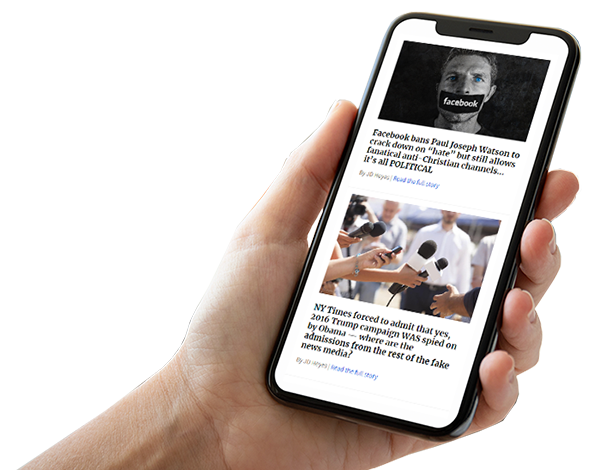

"Big Tech and mainstream media are constantly trying to silence the independent voices that dare to bring you the truth about toxic food ingredients, dangerous medications and the failed, fraudulent science of the profit-driven medical establishment.
Email is one of the best ways to make sure you stay informed, without the censorship of the tech giants (Google, Apple, Facebook, Twitter, YouTube, etc.). Stay informed and you'll even likely learn information that may help save your own life."
–The Health Ranger, Mike Adams