



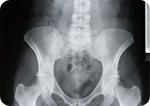
Thyroid drug increases risk of bone fractures in women
Friday, May 20, 2011 by: Reuben Claxton
Tags: bone fractures, thyroid medication, health news
- Peanut oil in vaccines behind widespread peanut allergy epidemic
- Bill Gates says vaccines can help reduce world population
- Eliminate bladder infections without antibiotics
- The Right Kind of Vitamin B12 is Vital for Treating Deficiency
- FDA Running Extortion Racket: Natural Supplement Companies Threatened with Arrest if They Don't Pay Up
- Low Leptin Levels Increase Risk of Age-Related Mental Decline
- Processed cows milk linked to diabetes
- The suicide disease - Trigeminal neuralgia
- Six little-known natural remedies for tinnitus
- Reverse and eliminate cataracts naturally without surgery
- FDA finally admits chicken meat contains cancer-causing arsenic (but keep eating it, yo!)
- Streamlined deception: Journalist exposes EVERYTHING you read in the mainstream media has been planted or approved by the government
- Ammonium hydroxide, health effects of "pink slime"
- Truth about CDC vaccine fraud revealed by Jon Rappoport in new video interview
- As an American, I refuse to buy mandatory health insurance that supports corrupt conventional medicine
- 10 outrageous (but true) facts about vaccines the CDC and the vaccine industry don't want you to know
- Cinnamon and honey's healing properties
- Johnson & Johnson engaged in elaborate drug profit kickback scheme, says Dept. of Justice lawsuit
- Peanut oil in vaccines behind widespread peanut allergy epidemic
- Global warming data FAKED by government to fit climate change fictions
- The REAL FAKE NEWS exposed: '97% of scientists agree on climate change' is an engineered hoax... here's what the media never told you
- Lack of Forgiveness Can Affect Our Health
- 'Never has there been a safe vaccine,' Suzanne Humphries, MD, says in interview
- Bill Gates says vaccines can help reduce world population
- Stop stomach ulcers with the miracle remedy of cabbage
- Total media blackout on shooting where private citizen stopped mass murder by using a gun
- Business is Booming (comic)
- The best and worst forms of magnesium to take as a supplement
- Do Statin Drugs Cause Vitamin D Deficiency?
- Baking Soda Prevents Kidney Disease, Renal Failure and Kidney Dialysis
- The aloe vera miracle: A natural medicine for cancer, cholesterol, diabetes, inflammation, IBS, and other health conditions
- 10 outrageous (but true) facts about vaccines the CDC and the vaccine industry don't want you to know
- Natural solutions for varicose veins
- Federal agents raid Mormon food storage facility, demand list of customers storing emergency food
- New study: Infants receiving the most vaccines are the most likely to be hospitalized and die
- Review: The Best Tasting Green Superfood Powder Products
- 'Never has there been a safe vaccine,' Suzanne Humphries, MD, says in interview
- Peanut oil in vaccines behind widespread peanut allergy epidemic
- The REAL FAKE NEWS exposed: '97% of scientists agree on climate change' is an engineered hoax... here's what the media never told you
- Bill Gates says vaccines can help reduce world population
- The best and worst forms of magnesium to take as a supplement
- Lack of Forgiveness Can Affect Our Health
- The United Nations 2030 Agenda decoded: It's a blueprint for the global enslavement of humanity under the boot of corporate masters
- Shock findings in new GMO study: Rats fed lifetime of GM corn grow horrifying tumors, 70% of females die early
- Eighteen Overlooked Symptoms of Adrenal Fatigue
- Beat cancer with 35% hydrogen peroxide
- Global warming data FAKED by government to fit climate change fictions
- Apricot Seeds Kill Cancer Cells without Side Effects
- Baking Soda Prevents Kidney Disease, Renal Failure and Kidney Dialysis
- Antibiotics used in meat pose a threat to public health, admits FDA
- Do Statin Drugs Cause Vitamin D Deficiency?
- Forget Filling Cavities: Regrow Your Teeth Instead
- 'Natural' breakfast cereals loaded with pesticides and GMOs - explosive new scorecard from Cornucopia reveals all
- Urgent lawsuit filed against FDA to halt swine flu vaccines; claims FDA violated federal law
- The REAL FAKE NEWS exposed: '97% of scientists agree on climate change' is an engineered hoax... here's what the media never told you
- Beat cancer with 35% hydrogen peroxide
- The best and worst forms of magnesium to take as a supplement
- The United Nations 2030 Agenda decoded: It's a blueprint for the global enslavement of humanity under the boot of corporate masters
- Apricot Seeds Kill Cancer Cells without Side Effects
- Bill Gates says vaccines can help reduce world population
- Forget Filling Cavities: Regrow Your Teeth Instead
- Six little-known natural remedies for tinnitus
- The MMR vaccine, autism connection
- Supplements to detox the body from vaccinations
- What's really in vaccines? Proof of MSG, formaldehyde, aluminum and mercury
- Dandelion root extract found to kill leukemia cells, prostate cancer cells and chemo-resistant melanoma
- Indian black salve: The magical cancer cure
- Reverse and eliminate cataracts naturally without surgery
- High-dose vitamin C injections shown to annihilate cancer
- The aloe vera miracle: A natural medicine for cancer, cholesterol, diabetes, inflammation, IBS, and other health conditions
- Dandelion root far more effective in fighting cancer cells than chemotherapy
- INVESTIGATION: Three days before Dr. Bradstreet was found dead in a river, U.S. govt. agents raided his research facility to seize a breakthrough cancer treatment called GcMAF





Hormones secreted by the thyroid gland are critically important to health because they affect the metabolism of every cell in the body. Thyroid hormones regulate the metabolism of glucose to release energy, as well as affecting protein synthesis and metabolism of fats.
Because the body creates thyroid hormones by using iodine, a healthy level of iodine in the diet is important (https://www.naturalnews.com/023107_iodine_bod...). In addition to the importance of iodine for general metabolism, there is also evidence that iodine in the diet can help in avoiding cancer (https://www.naturalnews.com/023107_iodine_thy...).
The British Medical Journal study was done at the Women's College Research Institute in Toronto, where researchers looked at 213,500 people aged 70 or over. Patients in the study received at least one prescription for levothyroxine (the synthetic hormone) between 2002 and 2007. Results showed a significantly increased risk of fracture in people who were either taking or had recently taken levothyroxine.
As people grow older, there is a greater likelihood of diminished levels of thyroid hormones, with possibly as many as 20% of older people receiving treatment for hypothyroidism. But as doctors treat the disease by administering hormones, one of the possible side effects is a decrease in bone density. In some cases, bone density may reach the point that broken bones become more likely.
A researcher from the British Medical Journal study said that the condition needs more study, as not enough is known about the link between thyroid hormone and bone density in the elderly. A study published in 2010 on the link in elderly men did not find a decrease in bone density, but a study the same year in The Journal of Clinical Endocrinology and Metabolism did find such a link in postmenopausal women. A 2010 review article looking at drug-induced osteoporosis also noted high doses of thyroxine as a possible cause of low bone density in postmenopausal women.
Patients who are receiving hormone therapy should have hormone levels checked regularly, to see that levels do not grow too high, or for that matter too low. Some patients may not wish to take hormones acquired from animals, but the synthetic form of the hormone, levothyroxine, like any artificial drug, has the potential for side effects.
One of the researchers, Dr Lorraine Lipscombe, said the study showed a need to more closely monitor medical levels "in this vulnerable population".
Sources for this article:
http://www.bbc.co.uk/news/health-13221928
http://www.drugs.com/levothyroxine.html
http://www.ncbi.nlm.nih.gov/pubmed/20960170
http://www.ncbi.nlm.nih.gov/pubmed/20920685
http://www.ncbi.nlm.nih.gov/pubmed/20410228


Bone fractures at FETCH.news
Get independent news alerts on natural cures, food lab tests, cannabis medicine, science, robotics, drones, privacy and more.

Take Action: Support Natural News by linking to this article from your website
Permalink to this article:
Embed article link: (copy HTML code below):
Reprinting this article:
Non-commercial use OK, cite NaturalNews.com with clickable link.
Follow Natural News on Facebook, Twitter, Google Plus, and Pinterest

Science News & Studies

Medicine News and Information

Food News & Studies

Health News & Studies

Herbs News & Information

Pollution News & Studies

Cancer News & Studies

Climate News & Studies

Survival News & Information

Gear News & Information

News covering technology, stocks, hackers, and more






"Big Tech and mainstream media are constantly trying to silence the independent voices that dare to bring you the truth about toxic food ingredients, dangerous medications and the failed, fraudulent science of the profit-driven medical establishment.
Email is one of the best ways to make sure you stay informed, without the censorship of the tech giants (Google, Apple, Facebook, Twitter, YouTube, etc.). Stay informed and you'll even likely learn information that may help save your own life."
–The Health Ranger, Mike Adams